Few dishes are as simple — and deceptively tricky — as scrambled eggs. On the surface, it seems almost too easy: crack a few eggs, whisk, cook, and eat. Yet anyone who has ever ended up with dry, rubbery eggs or bland, flavorless curds knows that truly perfect scrambled eggs are an art form.
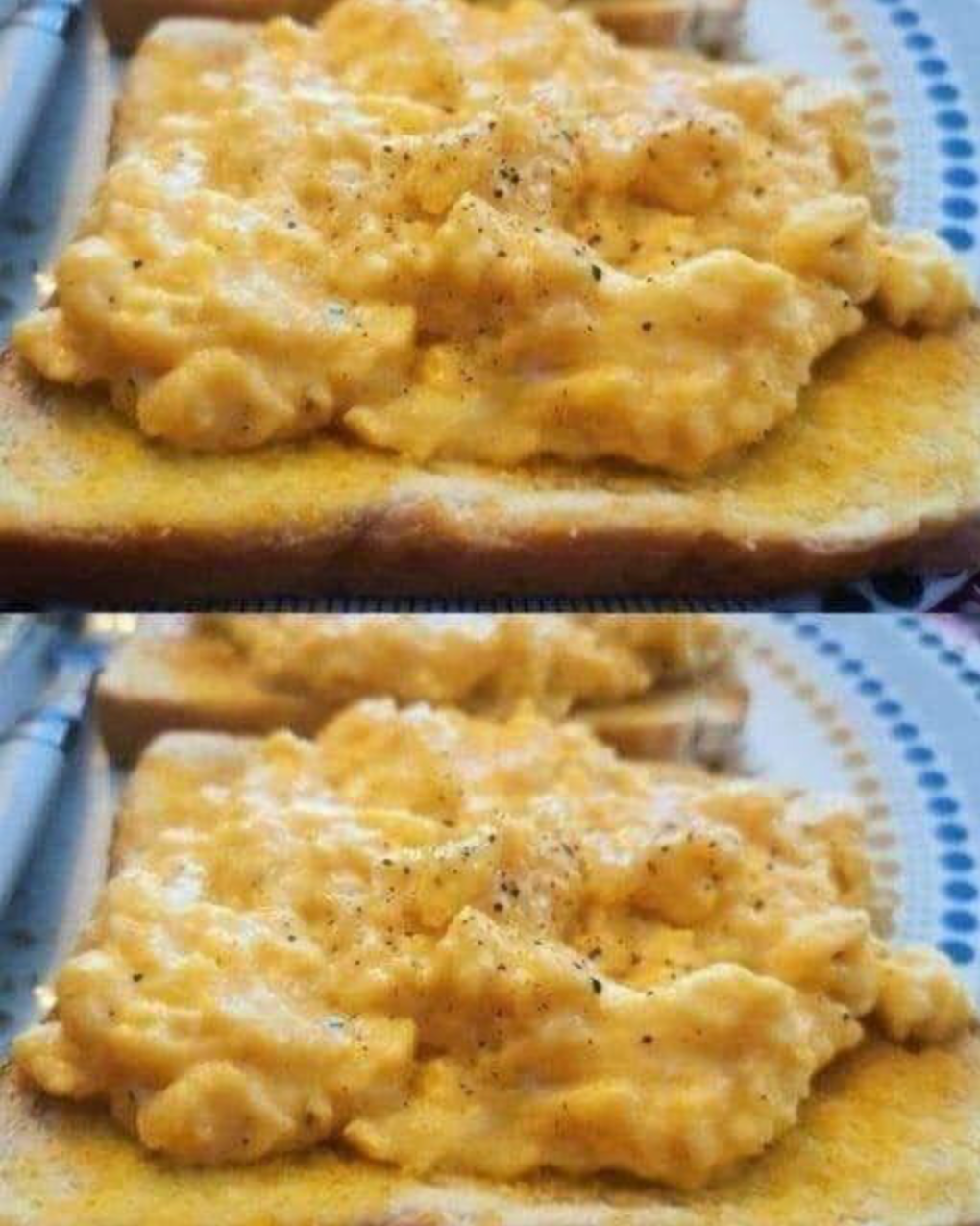
When done right, scrambled eggs are soft, creamy, and fluffy, with a delicate texture that melts in your mouth. They are full of flavor without being overpowering, and they form the foundation for countless variations, from classic breakfast staples to decadent brunch dishes.
The secret lies in gentle heat, careful timing, and quality ingredients. Follow this method, and you’ll never settle for ordinary scrambled eggs again.
Ingredients (Serves 2)
- 4 large eggs (organic or free-range for best flavor)
- 2 tablespoons whole milk, cream, or half-and-half (optional for extra creaminess)
- 1–2 tablespoons unsalted butter
- Salt, to taste
- Freshly ground black pepper, to taste
- Optional garnishes: fresh herbs (chives, parsley, dill), grated cheese, sautéed vegetables, smoked salmon
Step 1: Crack and Whisk the Eggs
Start by cracking your eggs into a medium mixing bowl. Add a pinch of salt and a splash of milk or cream if desired.
Whisk gently, yet thoroughly, until the yolks and whites are fully combined. The goal is even color and a light, slightly frothy texture, which will help create soft, airy curds.
Tip: Avoid overwhisking — you don’t want too many bubbles, which can make eggs dry. Just combine until smooth and slightly frothy.
Step 2: Preheat the Pan
Use a non-stick skillet for best results, 8–10 inches in diameter. Place it over low to medium-low heat. Low heat is the key to creamy, tender eggs — high heat causes eggs to cook too fast, becoming rubbery.
Add the butter to the pan and let it melt slowly, swirling the pan to coat the surface. The butter should foam gently but not brown.
Pro Tip: If the butter starts to brown, remove the pan from the heat for a few seconds to cool slightly.
Step 3: Add the Eggs to the Pan
Pour the whisked eggs into the pan. Let them sit undisturbed for 10–15 seconds, just until the edges begin to set slightly. This forms a base for the delicate curds that will develop as you gently stir.
Step 4: Gentle, Constant Motion
Using a silicone spatula, start moving the eggs slowly from the edges toward the center. Work in small sections, lifting and folding the eggs rather than scraping aggressively.
This is where most people go wrong: too much stirring or too high heat creates tiny, dry curds. The goal is soft, velvety folds.
Tip: Be patient. Scrambled eggs should never be rushed. Slow cooking ensures even texture and maximum creaminess.
Step 5: Watch for the Perfect Texture
As the eggs begin to thicken, remove the pan from the heat slightly before they are fully set. They will continue to cook from residual heat, a process known as “carryover cooking.”
Perfect scrambled eggs are soft, slightly glossy, and just barely holding together. They should feel creamy on the spatula and melt in your mouth.
Step 6: Season and Serve
Taste your eggs and adjust salt and pepper as needed. For extra flavor, fold in:
- Fresh herbs like chives, parsley, or dill
- Grated cheese such as cheddar, Gruyère, or Parmesan
- Sautéed vegetables like mushrooms, spinach, or bell peppers
- Smoked salmon or crispy bacon for a luxurious brunch option
Serve immediately while warm. Scrambled eggs are best eaten fresh — the texture changes quickly as they cool.
Tips for Truly Foolproof Scrambled Eggs
- Use fresh eggs: Fresher eggs yield brighter, richer flavor and firmer whites.
- Low and slow is key: Patience creates creamy, fluffy curds.
- Butter vs. oil: Butter adds flavor and richness; a touch of oil can prevent sticking in high heat but won’t give the same taste.
- Milk or cream is optional: A small splash adds creaminess, but high-quality eggs alone can produce perfect scrambled eggs.
- Never overcook: Remove from heat when slightly underdone to avoid dryness.
Advanced Variations
French-Style Scrambled Eggs
- Cook over very low heat, constantly stirring with a fork instead of a spatula.
- Fold in cream or crème fraîche at the end for ultra-luxury.
- Result: soft, silky, almost custard-like texture.
Cheesy Scrambled Eggs
- Add shredded cheese toward the end of cooking.
- Fold gently to melt without overcooking the eggs.
Vegetable Scrambled Eggs
- Sauté diced onions, mushrooms, or bell peppers before adding eggs.
- Fold the eggs in gently, letting them absorb the sautéed flavors.
Herb and Spice Variations
- Add fresh herbs at the end for brightness.
- A pinch of smoked paprika, cumin, or chili powder can elevate your breakfast eggs.
Serving Ideas
Scrambled eggs are versatile. Here’s how to serve them for a complete breakfast or brunch:
- Classic breakfast: Serve with toast, buttered bagels, or English muffins.
- Healthy option: Pair with avocado slices, fresh tomato, or sautéed greens.
- Brunch showstopper: Top with smoked salmon, capers, and a drizzle of cream.
- Comfort food: Serve over buttery hash browns or with crispy bacon on the side.