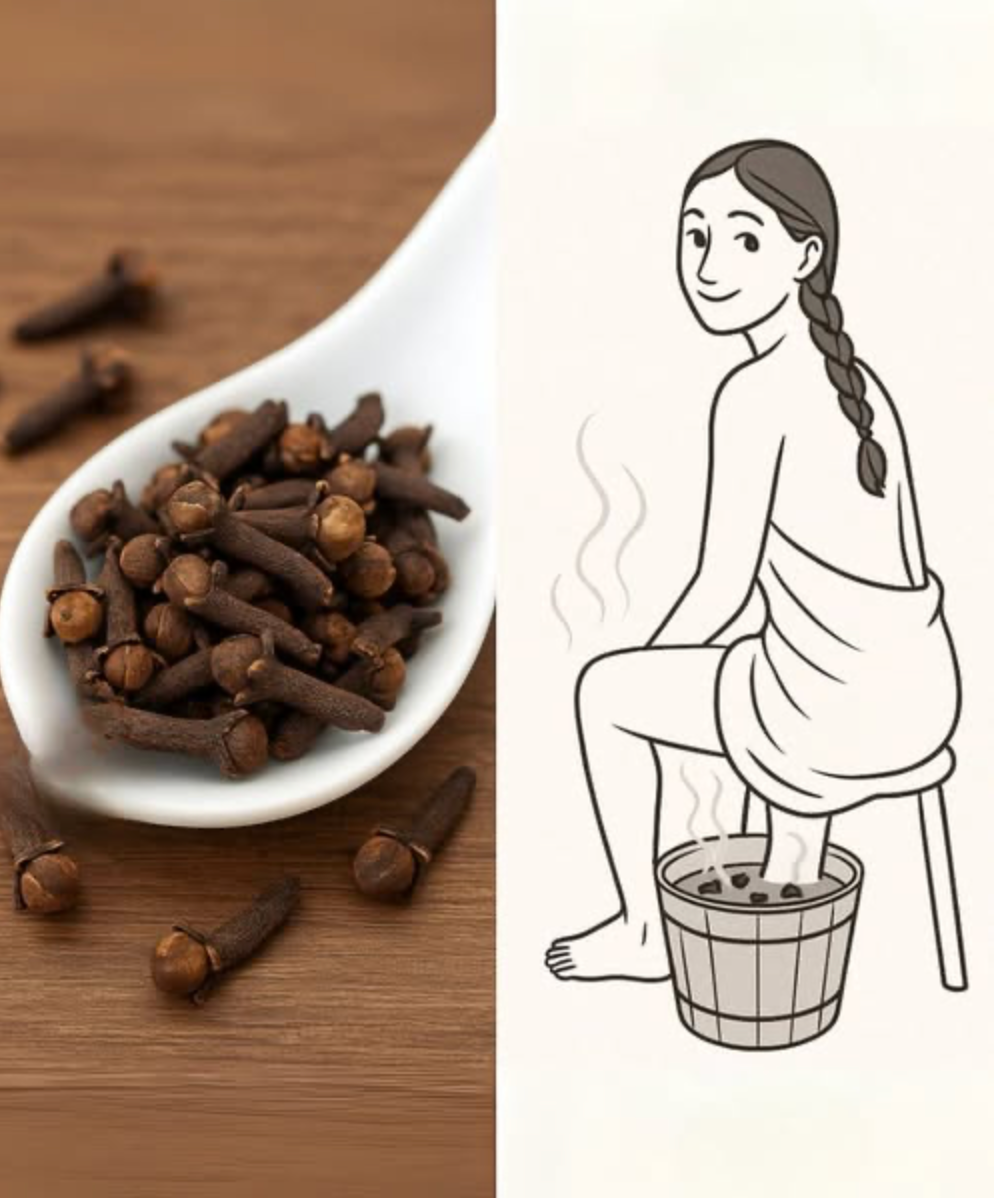
As the years pass, many of us find ourselves returning to the remedies our parents and grandparents once trusted. Somewhere between the noise of modern medicine and the rush of daily life, people start craving something simpler — gentle ingredients, warm aromas, and routines rooted in generations of experience. One of the most cherished of these time-honored ingredients is the humble clove.
These tiny, dark brown flower buds may look small, but for centuries they’ve held a place in kitchens and home-healing traditions around the world. From Asia to Africa to the Mediterranean, cloves have been used to soothe, warm, comfort, and support everyday wellness long before pharmacies existed. They were treasured enough to spark trade routes, travel across oceans, and become one of the most expensive spices in ancient times.
Today, even with all the modern advances in health, cloves remain an important part of natural-living traditions. Their aroma alone brings a sense of familiarity — a smell that reminds many of childhood winters, cups of warm tea, or remedies mixed by older relatives who always seemed to know what to do.
Below is a deep, detailed exploration of cloves — their history, their natural properties, and the many ways people traditionally use them at home to support well-being.
1. A Rich History: From Ancient Remedies to Everyday Kitchens
Cloves have been used for thousands of years. In ancient China, people chewed cloves before speaking to the emperor to freshen their breath. In Indian Ayurvedic practices, cloves were ground into pastes, infused into oils, or steeped into teas for warmth and comfort. Traders carried them along spice routes, and their price at one point was so high that they were considered more valuable than gold.
Their long history has turned them into more than just a spice — cloves symbolize tradition, family, and the wisdom that comes from observing nature.
2. What Makes Cloves So Special?
At the heart of the clove is a natural compound called eugenol, known for its warm, strong aroma. This is what gives cloves their distinctive smell and their comforting, soothing qualities. People have traditionally used cloves for:
- Warming teas on cold days
- Calming the stomach with gentle spice blends
- Adding depth and flavor to foods
- Creating natural oils or balms for household remedies
- Using clove steam or infused water during seasonal discomfort
Even today, many cultures include cloves as part of daily routines — not because they are magical, but because they bring warmth, comfort, and a sense of natural balance to life.
3. Traditional Home Uses of Cloves
Here are some detailed, time-tested ways people incorporate cloves into daily life. These are traditional practices, not medical treatments.
A. Clove Tea for Warmth and Comfort
A cup of clove tea is one of the simplest and most popular traditional remedies.
People drink it to:
- Warm the body on chilly days
- Soothe the throat
- Support easy digestion after heavy meals
- Relax after a long day
How to Make It Traditionally:
- Boil 1 cup of water
- Add 3–4 whole cloves
- Simmer for 5 minutes
- Strain and drink warm
Some families add cinnamon, ginger, lemon, or honey for extra flavor.
B. Clove Oil (Homemade Infusion) for Household Use
Clove-infused oil has been used for generations as a warming household oil. It’s not the same as store-bought essential oil, which is extremely concentrated — instead, families traditionally make a mild infusion.
How People Traditionally Make It:
- Lightly crush a spoonful of cloves
- Add them to a small jar
- Cover with warm olive, almond, or coconut oil
- Let it sit for 7–14 days
- Strain and store
This infused oil is often used for:
- Gentle massage on tired muscles (never on broken skin)
- Warming the feet in winter
- Aromatherapy purposes
- Rubbing on temples for a calming scent
Always test a small amount on the skin first, as spices can irritate sensitive skin.
C. Cloves for Seasonal Aromas
Many families simply boil cloves with orange peels, cinnamon sticks, and a few drops of vanilla to make a natural home fragrance. This practice brings:
- A relaxing atmosphere
- A sense of cleanliness
- A warm, comforting scent
The aroma alone can calm the mood and create a sense of peace in the home.
D. Cloves in Food for Digestive Comfort
Cloves are famous in traditional cooking not just for their flavor, but for their natural warmth. They are added to:
- Stews
- Rice dishes
- Meat marinades
- Herbal broths
- Winter drinks
These dishes often feel easier on the stomach, especially after large or fatty meals, because cloves add a gentle digestive support traditionally used for centuries.
4. Cultural Touchstones: Cloves Around the World
In India
Cloves are essential in masala chai, garam masala, and countless traditional preparations meant to warm and energize the body.
In the Middle East
Cloves are added to coffee blends, rice dishes, and desserts to create depth and aroma.
In North Africa
Cloves often appear in marinades, couscous, and natural infusions for everyday well-being.
In Europe
Cloves were once placed in oranges to make “pomander balls,” believed to protect against winter discomfort and bring fragrance to homes.
The universality of cloves shows just how deeply they are woven into human life.
5. Modern Wellness Communities Still Embrace Cloves
Even in today’s world of supplements and pharmaceuticals, many people continue to use cloves as part of a holistic approach to well-being. They appreciate cloves for being:
- Natural
- Affordable
- Easy to find
- Comforting
- Versatile
Cloves are not a replacement for medical care, but they are a beautiful complement to self-care routines — a reminder that nature offers gentle support in simple ways.
6. Safety and Mindful Use
While cloves are natural, it’s important to use them wisely:
- Whole cloves in food or tea are generally safe for most people in small amounts.
- Homemade clove oil should be used carefully and tested on the skin.
- Very strong clove essential oil should not be applied directly to the skin or taken internally.
- People with certain conditions (pregnancy, bleeding disorders, allergies) should consult a professional before using strong clove preparations.
Moderation is key — as with anything in nature, a small amount goes a long way.
Conclusion: A Tiny Spice with Timeless Wisdom
Cloves remind us that healing isn’t always loud, complicated, or high-tech. Sometimes, comfort comes from the smallest things — a warm cup of spiced tea, a fragrant home, a familiar aroma that brings calm after a stressful day.
For centuries, cloves have offered warmth, comfort, and gentle support to people of all ages. They connect us to the wisdom of our ancestors, reminding us that nature has always had its own quiet ways of helping us feel better, slow down, and reconnect with ourselves.