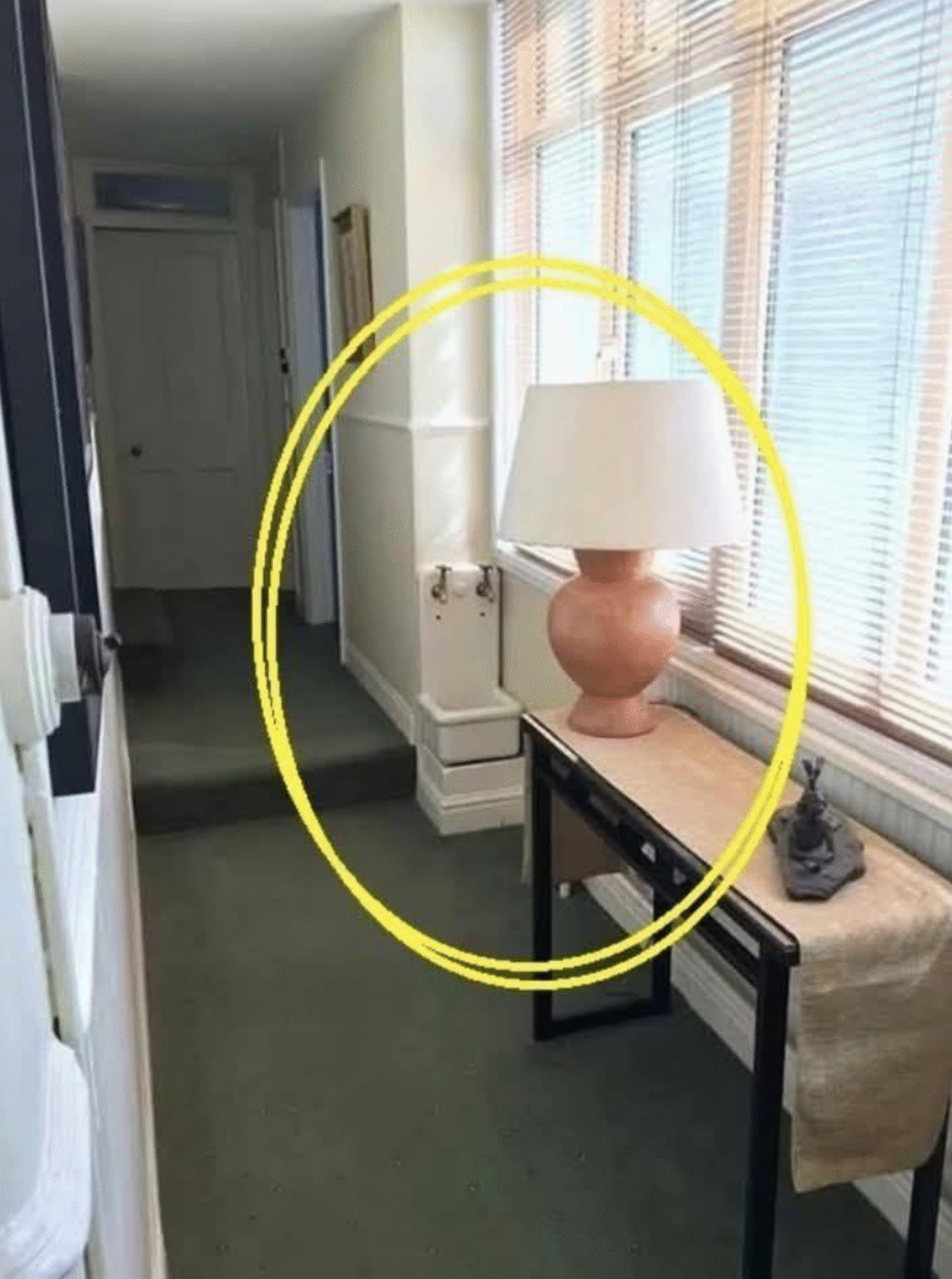
Picture yourself strolling through a creaky old house built somewhere between the late 1800s and the early 1930s. Sunlight spills across polished wood floors, stair rails glow with decades of hand-worn sheen, and every room feels like it has a story waiting to be told. Then, as you turn a corner, there it is: a small porcelain sink tucked awkwardly into the hallway wall, as if it grew there by accident.
No mirror. No vanity. No cabinet. No bathroom in sight.
Just a lonely sink, quietly existing in a space where no sink logically belongs.
Modern eyes interpret it as strange, almost humorous — something between a misplaced plumbing project and an architectural prank. But in reality, these hallway sinks were deliberate, thoughtful, and surprisingly forward-thinkingdesign features. They served practical everyday purposes tied to hygiene, culture, architecture, and the way people lived before indoor plumbing became standardized.
To understand why they existed, you have to step back into the domestic life of earlier generations.
A Time Before Full Bathrooms Were Common
During the late 19th and early 20th centuries, most homes — even relatively nice ones — did not have multiple bathrooms like modern houses do. Many had only one true bathroom in the entire residence, and in some cases, even that room was added later when plumbing became available.
Bedrooms often lacked private wash areas, and daily hygiene rituals did not necessarily revolve around full showers or baths. Instead, people washed in stages and throughout the day, which explains why sinks migrated into unconventional places.
The “Wash-Up Station” for Daily Hygiene
Hallway sinks were primarily created as wash-up stations. Before central bathrooms were common, people used them for:
- Washing hands and faces in the morning
- Freshening up before meals
- Cleaning up after outdoor work or chores
- Grooming routines such as shaving or washing hairlines
- Quick nighttime washing before bed
Think of them as an intermediate step between a kitchen sink and a full bath. They provided access to water without needing to enter the main bathroom, which was often occupied or located inconveniently far from bedrooms.
In many homes, hygiene habits followed a layered routine based on available plumbing rather than full bathing every single day. A hallway sink allowed cleanliness without tying up the only bathroom in the house.
A Reflection of Victorian and Early-20th-Century Cleanliness Culture
Around this time, public awareness of germs, sanitation, and disease prevention was growing. Doctors and public health campaigns encouraged frequent hand-washing, especially before meals and after returning from outdoors.
Because of this shift, sinks began appearing outside traditional bathroom spaces. A hallway sink allowed residents and guests to wash up easily, reinforcing cleanliness as a social norm.
In some houses, the sink was intentionally placed near:
- Dining rooms
- Bedrooms
- Stair landings
- Entryways
This made it easy to refresh oneself without trekking across the house.
Boarding Houses and Guest Homes Used Them for Convenience
Hallway sinks were also common in:
- Boarding houses
- Guest homes
- Multi-room rental properties
- Early hotels
These buildings often had many bedrooms but very few bathrooms. A shared hallway sink offered guests a semi-private wash station so they did not have to queue constantly for the main bath.
It functioned as a compromise between privacy and practicality at a time when plumbing was expensive and limited.
The “Toothbrushing Sink” Concept
In larger households, especially those with several children or extended family members living under one roof, the hallway sink helped reduce congestion. One person could use the sink for:
- Brushing teeth
- Washing up for the night
- Cleaning hands or face
while someone else used the bathroom.
It essentially acted as an overflow station, improving household efficiency before multi-bathroom layouts became standard.
European Influence and Cultural Carryover
Some hallway sinks also reflected European design traditions, particularly in British and German homes, where small wash basins in sleeping or corridor areas were more common long before indoor plumbing reached full modernization. Immigrant builders brought similar concepts to North America, adapting them into early domestic architecture.
Why They Look Small, Awkward, and Out of Place Today
To modern homeowners, these fixtures can feel oddly tiny or cramped — and that is because they were never meant for long grooming routines. They were:
- Compact
- Functional
- Space-efficient
They often lacked counters or storage because their purpose was strictly quick washing, not full personal care rituals like today’s sink-and-vanity setups.
Their placement may look random now, but at the time, it represented clever mid-transition design — bridging old-world habits and the rise of modern plumbing.
Why Many of Them Disappeared
As houses evolved and bathrooms multiplied, hallway sinks became unnecessary. Many were:
- Removed during renovations
- Converted into shelving or closets
- Covered over to modernize interiors
But in older homes where they survive, they serve as a quiet architectural time capsule — tangible reminders of how domestic life once functioned.
The Genius Behind the “Odd Fixture”
What looks like a quirky design mistake was actually a thoughtful response to:
- Limited plumbing access
- Shared living arrangements
- Changing hygiene standards
- Cultural evolution in architecture
Rather than being strange, hallway sinks represented innovation in progress — a transitional step toward the fully equipped multi-bathroom homes we take for granted today.