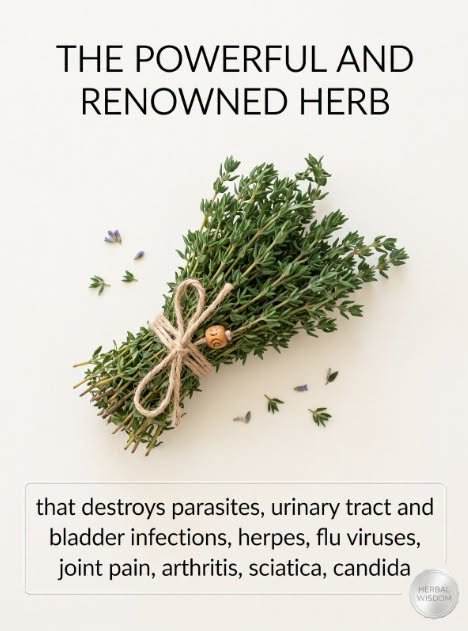
Oregano Oil: What Science Really Says About Its Antimicrobial and Antiparasitic Potential
For centuries, oregano has held an important place in traditional Mediterranean and European herbal practices. It is best known as a flavorful culinary herb, but concentrated oregano essential oil has attracted increasing scientific interest because of its antimicrobial, antioxidant, and anti-inflammatory properties.
The compounds that receive the most attention are carvacrol and thymol, naturally occurring constituents that contribute to oregano’s characteristic aroma and biological activity.
Modern laboratory research suggests that oregano oil can affect a variety of microorganisms, including certain bacteria, fungi, and parasites. Some recent studies have produced particularly interesting findings involving Toxoplasma gondii and bacteria associated with urinary tract infections.
But there is an important distinction between promising laboratory research and proven medical treatment.
Oregano oil has not been established as a replacement for antibiotics, antiparasitic medications, or other treatments prescribed for infections. The National Institutes of Health’s LiverTox resource notes that oregano extracts are not approved as treatments for diseases or medical conditions, despite their availability as dietary supplements. (NCBI)
So what does the evidence actually show?
Let’s take a closer look.
What Makes Oregano Oil So Interesting?
Oregano essential oil is a highly concentrated preparation obtained from oregano plants, including Origanum vulgare.
Unlike the dried oregano commonly sprinkled over food, essential oil contains concentrated volatile compounds. Among the most studied are:
- Carvacrol
- Thymol
- Other aromatic compounds that vary according to the plant and extraction method
Carvacrol and thymol have demonstrated antimicrobial activity in laboratory studies.
Researchers have proposed several mechanisms through which these compounds may affect microorganisms. Depending on the organism and experimental conditions, they can interfere with cellular membranes and other biological processes that microorganisms need for survival.
This helps explain why oregano oil has attracted interest as a potential source of antimicrobial compounds.
However, laboratory activity does not automatically translate into the same effect inside the human body.
An amount of oregano oil capable of damaging bacteria or parasites in a laboratory dish may not be achievable safely in human tissues.
That distinction is essential when interpreting herbal research.
Oregano Oil and Parasites: What the Research Shows
One of the more interesting recent areas of research involves Toxoplasma gondii, the parasite responsible for toxoplasmosis.
A 2024 study published in Parasitology Research investigated oregano essential oil against T. gondii using cultured cells.
The researchers reported that oregano essential oil reduced intracellular parasite proliferation by approximately 84% after 24 hours at a particular experimental concentration. The study also reported a selectivity index of 9.18 and observed changes involving reactive oxygen species, mitochondrial function, cellular membranes, and autophagy. (PubMed)
Those findings are scientifically interesting.
But there is an important limitation.
This was not a human clinical trial.
The experiment was performed using BeWo cells and laboratory models of Toxoplasma gondii.
Therefore, the results do not demonstrate that taking oregano oil can safely cure toxoplasmosis in people.
They suggest that compounds in oregano essential oil may deserve further investigation as potential antiparasitic agents.
That is an important difference.
Why Toxoplasma Research Matters
Toxoplasma gondii is a widespread parasite. Infection can be mild or asymptomatic in many people, but it can cause serious complications in certain situations, particularly during pregnancy and in people with weakened immune systems.
Because of this, suspected toxoplasmosis should be evaluated by a healthcare professional rather than self-treated with oregano oil or another supplement.
The 2024 study provides a promising laboratory finding—not a recommendation for replacing established medical treatment. (PubMed)
Oregano Oil and Urinary Tract Bacteria
Another area attracting attention is urinary tract health.
Urinary tract infections are commonly caused by bacteria such as Escherichia coli. Antibiotics remain an important treatment when a bacterial UTI is diagnosed.
Researchers are nevertheless investigating whether plant-derived compounds could eventually contribute to new antimicrobial strategies.
A 2026 study published in ACS Omega examined oregano, thyme, and cinnamon essential oils in relation to bacteria associated with cystitis.
The researchers investigated molecular mechanisms and antibacterial activity involving several bacterial pathogens. The study was designed as experimental research intended to improve understanding of how these essential oils interact with bacteria and to help identify potential compounds for future drug development. (American Chemical Society Publications)
Oregano oil showed activity in these experimental models, with carvacrol identified as an important component.
Again, however, this research should not be interpreted as evidence that drinking oregano oil can cure a urinary tract infection.
A UTI Is Not Something to Ignore
Symptoms such as:
- Burning or pain when urinating
- Frequent urination
- Strong urinary urgency
- Lower abdominal discomfort
- Blood in the urine
- Fever or chills
- Back or flank pain
can occur with urinary tract infections and other medical conditions.
A UTI can sometimes progress to a kidney infection.
If symptoms suggest an infection, medical evaluation is more important than experimenting with supplements.
Oregano oil may be interesting from a research perspective, but it should not delay diagnosis or appropriate treatment.
Could Oregano Oil Help Fight Antibiotic-Resistant Bacteria?
Antimicrobial resistance is one of the major challenges facing modern medicine.
This has encouraged researchers to investigate natural compounds that could potentially work alongside existing antimicrobial medications.
Oregano’s major compounds, particularly carvacrol and thymol, have demonstrated antibacterial activity in laboratory experiments.
Some research has also investigated whether essential-oil compounds could enhance the activity of conventional antibiotics against particular bacterial strains.
This is an exciting area of research because combination approaches may eventually contribute to new antimicrobial strategies.
But there is an important caveat:
A laboratory interaction between oregano oil and an antibiotic does not mean people should combine them on their own.
The correct dose, formulation, absorption, safety profile, drug interactions, and effectiveness in humans all need to be established before such combinations can be recommended medically.
Antifungal Properties of Oregano Oil
Oregano oil has also been studied for possible antifungal activity.
Laboratory research has investigated oregano compounds against various fungal organisms, including species of Candida.
Carvacrol and thymol can interfere with fungal cell membranes under experimental conditions.
This has contributed to interest in oregano oil as a possible source of future antifungal compounds.
But once again, laboratory effectiveness is not the same as a proven treatment for a fungal infection in humans.
Persistent oral, vaginal, skin, or systemic fungal infections should be diagnosed properly because different conditions can require very different treatments.
Oregano Oil and Antioxidant Activity
Oregano contains compounds with antioxidant properties.
Antioxidants are substances capable of interacting with reactive molecules involved in oxidative processes.
Carvacrol, thymol, and other oregano constituents have demonstrated antioxidant activity in laboratory research.
This is one reason oregano has attracted attention beyond its traditional culinary use.
However, claims that oregano oil can simply “remove toxins” or eliminate oxidative stress throughout the human body should be treated cautiously.
Human biology is much more complicated than a laboratory antioxidant test.
Eating a varied diet rich in vegetables, fruits, legumes, whole grains, nuts, and other nutrient-dense foods remains a much better-established approach to supporting overall health.
What About Anti-Inflammatory Effects?
Oregano compounds have also been investigated for possible anti-inflammatory effects.
Laboratory and animal research suggests that some oregano constituents may influence biological pathways involved in inflammation.
This is potentially valuable because excessive or persistent inflammation is involved in numerous diseases.
But researchers still need much more human evidence before oregano oil can be considered an established anti-inflammatory treatment.
A supplement should therefore not be promoted as a treatment for a chronic inflammatory condition without appropriate clinical evidence.
Oregano Oil and Leishmaniasis Research
Another intriguing area of research concerns Leishmania, a group of parasites transmitted by infected sandflies.
Experimental studies have investigated essential oils and plant compounds against Leishmania species.
Research involving oregano essential oil has produced interesting findings in animal models, including reductions in lesions associated with infection.
Such research may eventually help scientists identify new compounds for drug development.
But animal research is an early stage of investigation.
It does not establish that applying oregano oil to a person’s skin will safely or effectively treat leishmaniasis.
Established diagnosis and medical treatment remain essential for suspected leishmaniasis.
How Is Oregano Oil Different From Culinary Oregano?
This distinction is extremely important.
Culinary oregano
Dried or fresh oregano used in cooking contains much lower concentrations of essential oil compounds and is generally used as a food ingredient.
Oregano essential oil
Essential oil is highly concentrated.
A few drops can contain a much larger amount of volatile plant compounds than a comparable amount of the herb used in cooking.
That means more is not necessarily better.
Essential oils are chemically concentrated substances and should not be treated like ordinary herbs.
How to Use Oregano Oil Safely
There is no universally established therapeutic dose of oregano essential oil for treating infections.
Different commercial products can also vary considerably in composition and concentration.
For these reasons, it is important not to assume that a dosage mentioned in one research study applies to every oregano oil product.
If you are considering an oregano supplement, follow the manufacturer’s instructions and, particularly if you take medications or have an underlying medical condition, discuss it with a healthcare professional or pharmacist.
Never Apply Concentrated Oregano Essential Oil Directly to the Skin
Undiluted essential oil can be irritating.
It may cause:
- Burning
- Redness
- Irritation
- Contact dermatitis
- Skin damage in sensitive individuals
A carrier oil is commonly used when essential oils are intended for topical applications, but even diluted oregano oil can cause irritation or allergic reactions.
A small patch test can reduce—but cannot eliminate—the possibility of a reaction.
Never apply essential oils to damaged skin, the eyes, or sensitive mucous membranes.
Should You Swallow Oregano Essential Oil?
This is an area where particular caution is appropriate.
Pure oregano essential oil should not be casually swallowed.
Essential oils are highly concentrated and are not equivalent to culinary oregano.
Commercial products labeled for oral use may contain diluted or formulated oregano oil, but products vary significantly.
There is also no universally accepted clinical dosing standard for using oregano oil to treat infections.
If you are considering oral oregano oil, especially for a medical condition, discuss the specific product with a qualified healthcare professional.
Pregnancy and Breastfeeding
Extra caution is warranted during pregnancy and breastfeeding.
Safety data for medicinal or concentrated oregano preparations are limited, and oregano supplements should not be assumed to be safe simply because oregano is commonly used as a culinary herb.
The NCBI LiverTox resource specifically cautions against medicinal doses of oregano during pregnancy. (NCBI)
Pregnant or breastfeeding individuals should consult an appropriate healthcare professional before using concentrated oregano oil or oregano supplements.
What About Allergies?
Oregano belongs to the mint family, Lamiaceae.
People who are sensitive to oregano or related plants may experience allergic reactions.
Possible symptoms can include:
- Skin irritation
- Rash
- Itching
- Swelling
- Breathing difficulties
Severe allergic reactions can occur with foods and herbs, although they are uncommon.
Anyone who develops difficulty breathing, swelling of the face or throat, severe dizziness, or other signs of anaphylaxis should seek emergency medical care immediately.
Does Oregano Oil Damage the Liver?
Online discussions sometimes claim that oregano supplements are a major cause of liver injury.
The available evidence does not support that broad conclusion.
According to LiverTox, oregano has not been associated with clinically apparent liver injury in published reports, and it receives a likelihood score indicating that it is an unlikely cause of clinically apparent liver injury. (NCBI)
That does not mean every supplement product is automatically risk-free.
Supplement quality, formulation, dosage, contamination, and combinations with other ingredients can vary.
People with liver disease or those taking medications that affect the liver should discuss concentrated herbal supplements with a healthcare professional.
Why Oregano Oil Research Needs More Human Studies
Perhaps the most important point about oregano oil is that the scientific evidence is promising but incomplete.
A large portion of the research comes from:
- Test-tube experiments
- Cell cultures
- Animal studies
- Laboratory microbiology
- Experimental models
These studies are valuable because they help scientists understand potential mechanisms.
But they cannot answer every question about human treatment.
A compound can kill bacteria in a laboratory and still fail as a medicine because it may:
- Be poorly absorbed
- Break down before reaching the target
- Require an unsafe concentration
- Affect healthy cells
- Have unexpected interactions with medications
- Behave differently inside the human body
This is why clinical trials are so important.
Oregano Oil Is Not the Same as an Antibiotic
Calling oregano oil a “natural antibiotic” can be misleading.
The term suggests that oregano oil has been clinically established as a substitute for prescription antibiotics.
It has not.
Oregano oil has antimicrobial activity, particularly in laboratory studies, but that is different from being an approved antibiotic treatment.
When someone has a confirmed bacterial infection, replacing prescribed treatment with an unproven supplement can allow the infection to worsen.
Natural does not automatically mean harmless, and pharmaceutical does not automatically mean dangerous.
The important question is whether a treatment has been demonstrated to be effective and safe for the specific condition being treated.
What Should You Look for in an Oregano Oil Supplement?
If you decide to purchase an oregano supplement for general wellness, remember that products can differ substantially.
Consider looking for:
- The botanical name of the oregano species
- Clear ingredient labeling
- The amount of oregano oil or extract provided
- Standardization information when available
- Instructions for use
- Appropriate warnings
- A reputable manufacturer
- Independent quality testing when available
Be particularly cautious of products promising to “kill every parasite,” “replace antibiotics,” “cure infections,” or treat numerous unrelated diseases.
Extraordinary health claims deserve extraordinary evidence.
Frequently Asked Questions
Is oregano oil a natural antibiotic?
Oregano essential oil demonstrates antimicrobial activity in laboratory studies, particularly because of compounds such as carvacrol and thymol. However, it has not been established as a replacement for prescription antibiotics in treating human infections. (NCBI)
Can oregano oil kill parasites?
Laboratory research suggests that oregano essential oil can affect certain parasites. A 2024 study found significant activity against Toxoplasma gondii in cultured-cell experiments. However, this does not prove that oregano oil can cure toxoplasmosis in people. (PubMed)
Can oregano oil treat a UTI?
Current research has demonstrated antibacterial activity in experimental models involving bacteria associated with cystitis. That research is useful for understanding possible mechanisms, but it does not establish oregano oil as a proven treatment for UTIs. (American Chemical Society Publications)
Can you put oregano essential oil directly on your skin?
It is generally not advisable to apply concentrated oregano essential oil directly to the skin because it can cause irritation and allergic reactions. If a topical product is being used, follow its specific directions and use appropriate dilution.
Is oregano oil safe during pregnancy?
Concentrated medicinal oregano preparations should not be assumed to be safe during pregnancy. Consult a healthcare professional before using oregano oil or other concentrated herbal supplements. (NCBI)
Is oregano oil safe to swallow?
Pure essential oil is highly concentrated and should not be casually ingested. Oral oregano products vary in formulation and concentration, so follow the product instructions and seek professional advice when using them for a health condition.
Does oregano oil cure fungal infections?
Oregano compounds have demonstrated antifungal activity in laboratory research, including research involving Candida. However, laboratory activity does not establish oregano oil as a clinically proven treatment for fungal infections.
When You Should Seek Medical Care
Do not rely on oregano oil—or any other supplement—as the sole treatment if you may have an infection.
Seek medical attention for symptoms such as:
- High or persistent fever
- Severe abdominal or pelvic pain
- Blood in the urine
- Back or flank pain
- Difficulty breathing
- Severe weakness or confusion
- Symptoms that are rapidly worsening
- Signs of dehydration
- A suspected infection during pregnancy
- A suspected infection in someone with a weakened immune system
For urinary symptoms in particular, prompt evaluation can help prevent a bladder infection from progressing to a kidney infection.
The Bottom Line: What We Really Know About Oregano Oil
Oregano oil is an intriguing botanical substance with genuine antimicrobial activity demonstrated in laboratory research.
Its major compounds, particularly carvacrol and thymol, are being studied for their effects on bacteria, fungi, parasites, oxidative processes, and inflammatory pathways.
Recent research has produced particularly interesting findings involving Toxoplasma gondii and bacteria associated with cystitis. (PubMed)
But the evidence should be viewed in context.
The strongest findings are not yet equivalent to proof that oregano oil can treat infections in humans.
That distinction is especially important when dealing with conditions such as toxoplasmosis or urinary tract infections, where delaying appropriate medical treatment can have serious consequences.
Oregano can certainly remain part of a healthy culinary lifestyle, and concentrated oregano preparations may eventually contribute to future antimicrobial discoveries.
For now, the most accurate way to describe oregano oil is as a promising area of scientific research—not a universal natural cure.
Used thoughtfully and with appropriate caution, oregano can be an interesting addition to the broader world of plant research.
But when illness is suspected, good health decisions begin with an accurate diagnosis and evidence-based care.
Natural remedies and modern medicine do not always have to be opposing choices. In many cases, the most sensible approach is to understand what the evidence actually shows, use supplements responsibly, and know when professional medical treatment is necessary.
This article is for educational purposes only and is not medical advice. Oregano oil and other concentrated herbal products can interact with medications and may not be appropriate for everyone. If you are treating an infection or considering a supplement for a medical condition, speak with a qualified healthcare professional.

Welcome to my kitchen!
I’m a passionate home cook and recipe creator who loves turning simple ingredients into delicious, comforting meals that everyone can enjoy. Through this website, I share carefully prepared recipes, practical cooking tips, and easy-to-understand food education to help you feel more confident in the kitchen.
My goal is to make cooking simple, enjoyable, and accessible. Whether you are looking for a quick family dinner, a delicious dessert, healthy meal ideas, or traditional recipes with a modern touch, you’ll find inspiration here.
More Than Just Recipes
I believe that cooking is also a way to learn. That’s why this website is not only about recipes. I also create educational articles about ingredients, cooking techniques, kitchen tips, food preparation, and the stories behind different dishes.
Each article is designed to give you useful knowledge that you can apply in your own kitchen. From understanding how ingredients work together to learning better cooking methods, my aim is to help you become a more confident and creative cook.
My Philosophy
Good food doesn’t always require complicated ingredients or professional equipment. With a little knowledge, patience, and creativity, simple ingredients can become something truly special.
I believe in sharing recipes that are practical, clearly explained, and enjoyable to make. I also love exploring new flavors while appreciating traditional cooking and the recipes passed down through generations.
Thank you for visiting my kitchen and being part of this food-loving community. I hope my recipes and articles inspire you to cook, learn, experiment, and most importantly, enjoy every bite!
Happy cooking!