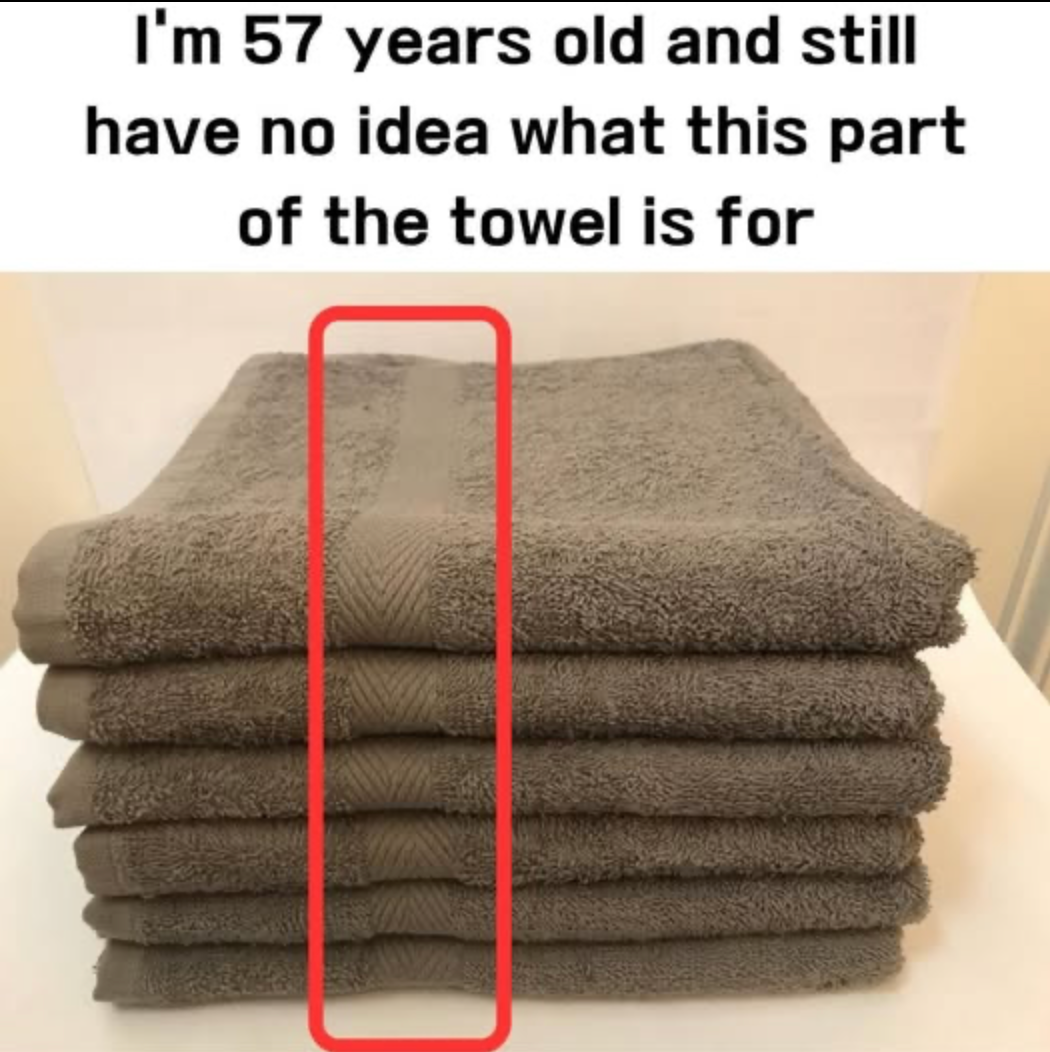
Bath towels are one of those everyday items we rarely think about—until we step out of a shower and reach for a soft, absorbent one. They quietly do their job: drying, comforting, and providing a moment of tactile luxury. But if you look closely, you’ll notice subtle lines, ridges, or patterns woven into the towel’s surface. They may seem like decorative accents at first glance, yet these lines are far more than aesthetic choices—they are the product of thoughtful engineering designed to enhance performance, durability, and comfort.
1. Lines Improve Absorbency and Drying Efficiency
The most critical function of a bath towel is to absorb water, and the tiny ridges or lines in the weave play an essential role.
- Increased Surface Area: Lines and ridges create pockets and channels that increase the surface area of the towel. More surface area allows the cotton fibers to make more contact with water, enhancing absorption.
- Capillary Action: The grooves act like mini channels, helping water move along the towel’s fibers through capillary action, which speeds up drying after use.
- Even Distribution: Without ridges, water may pool in one spot, but the pattern helps spread moisture throughout the towel for faster and more efficient drying.
This is why high-quality bath towels often feature distinct linear patterns or decorative ribbing—they are not only beautiful but functionally superior.
2. Lines Enhance Softness and Tactile Comfort
Lines and ridges also influence how a towel feels on your skin:
- Gentle Massage Effect: The raised patterns provide a soft, almost massaging effect when you rub the towel over your body.
- Improved Airflow: Between the ridges, air circulates more freely. This keeps the towel feeling plush rather than flat and lifeless.
- Even Wear: Regular use can flatten towels over time, but ridges help maintain a textured, soft feel longer by distributing friction more evenly across the surface.
Essentially, lines make your towel feel luxurious every time it touches your skin.
3. Structural Strength and Longevity
A towel isn’t just soft—it needs to withstand repeated washing, drying, and daily use. Lines in the weave serve a structural purpose:
- Reinforcement: Ridges strengthen the weave by stabilizing the fibers, reducing sagging or stretching.
- Reduced Fiber Loss: By organizing fibers into tight patterns, lines help minimize pilling and loose threads during frequent laundering.
- Longevity: Towels with woven lines maintain their shape, absorbency, and softness longer than plain, flat towels.
A towel with decorative lines may seem like a style choice, but in reality, it is built to last.
4. Aesthetic Appeal Meets Function
While functionality is critical, the lines also contribute to design:
- Visual Texture: Linear patterns, ribbing, or geometric designs give the towel a refined, high-end look.
- Color Contrast: Many towels use ridges to create subtle plays of light and shadow, enhancing the perception of depth.
- Brand Signature: Towels from premium brands often feature unique line patterns as a mark of craftsmanship, signaling quality and attention to detail.
This shows that aesthetics and utility are not mutually exclusive; in towels, they work together harmoniously.
5. Hygiene and Drying Between Uses
Lines and ridges also help the towel dry faster between uses:
- Air Circulation: Water evaporates more efficiently along the ridges and grooves, reducing damp spots that can harbor bacteria or odors.
- Reduced Mildew Risk: Faster drying means fewer opportunities for mold or mildew to develop, keeping towels fresh for longer periods.
- Consistent Drying: Even when hung on hooks or towel bars, towels with linear textures dry more evenly than completely flat towels.
This makes towel lines an often-overlooked contributor to hygiene and freshness.
6. Different Patterns for Different Needs
Towel manufacturers carefully choose line styles depending on intended use:
- Ribbed Towels: Thicker ridges provide maximum absorption, often used in bath sheets.
- Decorative Bands: Some towels feature a central line pattern to combine absorbency with style for guest towels.
- Waffle Weave: Small grid-like lines maximize both drying efficiency and softness while reducing bulk.
Each type of line or ridge is a balance between functionality, comfort, and visual appeal.
7. Care Tips for Towels with Lines
To preserve the benefits of towel lines:
- Wash with Care: Avoid excessive fabric softeners, which can fill the grooves and reduce absorbency.
- Air Dry When Possible: Hang towels along the ridges to maximize airflow.
- Separate Loads: Wash towels separately to prevent friction flattening the patterns.
- Rotate Use: Avoid using the same towel repeatedly, so all fibers maintain their texture.
Proper care ensures that the lines continue to enhance absorbency, comfort, and longevity.
Conclusion
The lines on your bath towels are far more than decorative elements. They are carefully designed features that improve absorbency, enhance softness, reinforce the fabric, and promote hygiene by aiding in faster drying. They are a testament to thoughtful textile engineering, showing how even simple household items can blend artistry with practicality.
Next time you reach for a towel, take a moment to notice those subtle ridges. They aren’t just beautiful—they are silently doing the work of keeping you dry, comfortable, and cared for, day after day.