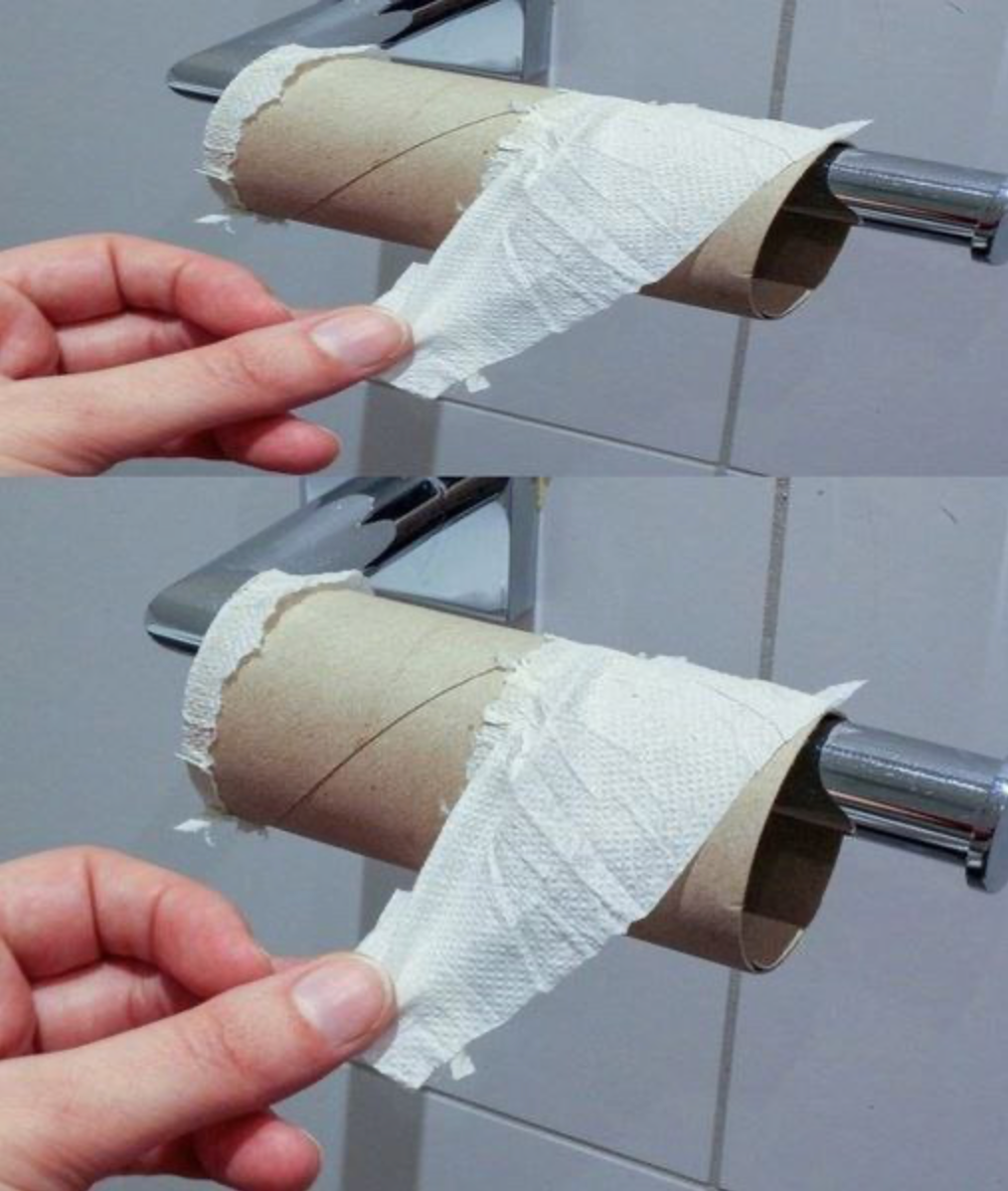
For over 150 years, the humble toilet paper roll has been a constant companion in bathrooms across the globe—soft, familiar, and seemingly indispensable. Its presence is almost invisible, silently fulfilling its purpose without ever demanding attention. Yet, beneath its unassuming spiral lies a growing tension: between convenience and consequence, habit and health, tradition and transformation.
As the world changes, so too does our relationship with this once-reliable bathroom staple. From environmental concerns to shifting technological advancements, the future of toilet paper as we know it is uncertain. Are we witnessing the twilight of the toilet paper roll’s reign, or is this a mere blip in the evolution of bathroom habits?
The Rise and Enduring Popularity of Toilet Paper
A Brief History of the Toilet Paper Roll
The concept of toilet paper, in some form, dates back to ancient times. The first known use of paper for personal hygiene was in 6th century China, long before it became the product we recognize today. Ancient Egyptians and Greeks used other materials—leaves, cloth, or stones—depending on their available resources.
It wasn’t until the mid-1800s that Joseph Gayetty, an American inventor, introduced the first commercial toilet paper, marketed as “Gayetty’s Medicated Paper” in 1857. This early version was flat, unlike the familiar roll format, and was coated with aloe for medicinal purposes.
The true breakthrough came in 1890, when Irving and Clarence Scott introduced the first perforated toilet paper roll—a design that made it more convenient and accessible. From then on, the roll became synonymous with cleanliness in the modern bathroom.
Since then, toilet paper has undergone many changes in terms of softness, texture, ply, and even scent. It has evolved into the multinational industry we know today, with people from all walks of life using it daily, and with seemingly endless options available at the grocery store.
The Tension: Convenience vs. Consequence
While the toilet paper roll has long been a symbol of convenience, there are growing concerns that this unassuming product comes with a hefty environmental cost.
Environmental Impact: The Paper Problem
Toilet paper is made from wood pulp, a material that comes primarily from forests, both managed and wild. While most toilet paper companies claim to use sustainable sources, the industry still has a massive environmental footprint, particularly when considering the following factors:
- Deforestation: The demand for paper products has been a driving force behind global deforestation. Despite efforts by companies to switch to recycled paper or use sustainably sourced wood, many brands still rely on virgin pulp, meaning new trees are cut down to make every roll of toilet paper.
- Water and Energy Consumption: The production of toilet paper requires enormous amounts of water and energy. Manufacturing the pulp, bleaching it, and turning it into the soft, quilted rolls we buy in stores consumes vast resources and generates carbon emissions.
- Waste: Toilet paper is, by nature, single-use and disposable. While it biodegrades relatively quickly compared to other plastic products, the sheer amount of toilet paper used globally means an enormous amount of waste is generated daily. The average person uses roughly 141 rolls of toilet paper each year, amounting to 7 million treescut down annually just for toilet paper production.
In light of these concerns, environmentalists and sustainability advocates are raising alarms about the unsustainable consumption of toilet paper. More and more people are considering alternatives to mitigate these environmental consequences.
Health Concerns: Are We Using the Right Product?
Beyond its environmental footprint, there are also growing health concerns regarding toilet paper use, particularly the fragranced or chemically-treated varieties. Some potential risks include:
- Irritation: Scented toilet papers and those containing dyes or bleaches can cause skin irritation, particularly for individuals with sensitive skin or conditions like eczema or hemorrhoids.
- Bacterial Growth: Because toilet paper is used in such a sensitive area of the body, there’s concern over how certain brands of toilet paper can harbor bacteria if not stored properly, or how they may contribute to microbial imbalance in the body.
- Flushability Issues: Some toilet paper brands, particularly those with a high ply count or excessive softening agents, do not break down easily in the pipes and can cause clogging and plumbing issues, leading to costly repairs or environmental pollution in water systems.
Shifting Habits: The Rise of Alternatives
As more people become aware of the environmental and health implications of traditional toilet paper, alternatives are emerging as potential solutions. These alternatives aim to reduce waste, preserve resources, and cater to health-conscious consumers.
1. Bidets: The Clean, Green Option
Bidets, which are especially popular in countries like Japan and parts of Europe, are rapidly gaining traction in the U.S. and other regions. Rather than relying on toilet paper to wipe, a bidet uses a gentle stream of water to clean the area after use.
- Environmental Benefits: Bidets are often seen as a sustainable alternative since they reduce the need for toilet paper altogether, cutting down on deforestation, water, and energy use in paper production. Some estimates suggest that a bidet could reduce a household’s toilet paper consumption by as much as 75%.
- Health Benefits: Bidets are considered gentler on the skin, reducing irritation and friction. They are also more hygienic since water can clean more thoroughly than toilet paper alone.
2. Bamboo Toilet Paper: The Sustainable Choice
Bamboo is a fast-growing, renewable resource that can be used to produce toilet paper without relying on traditional wood pulp. Unlike trees, which take decades to grow, bamboo can be harvested in as little as 3-5 years, making it a more sustainable option for paper products.
- Environmental Benefits: Bamboo toilet paper is a popular choice for eco-conscious consumers because it requires less water and no pesticides to grow. Many brands also use minimalistic packaging that reduces plastic waste.
- Health Considerations: Bamboo toilet paper is generally made without the use of harsh chemicals, dyes, or fragrances, making it a safer choice for individuals with sensitive skin.
3. Recycled Toilet Paper
Another eco-friendly option is toilet paper made from 100% recycled paper. These products are made from post-consumer waste paper rather than virgin wood pulp, thus reducing the need for new trees.
- Environmental Benefits: Using recycled paper helps reduce deforestation, and it generally requires less energy and water than the process of making virgin pulp. It’s also a step toward reducing the overall paper waste in landfills.
- Health Benefits: Many recycled toilet paper options avoid harmful chemicals and are free from fragrances or dyes, making them gentler on the skin.
4. Family Cloth: A Radical Alternative?
A growing trend among ultra-eco-conscious consumers is the use of family cloth—essentially a reusable cloth used in place of toilet paper. After use, the cloth is washed, much like any other piece of laundry. While this method may seem extreme, it offers the ultimate in sustainability.
- Environmental Benefits: Family cloth eliminates the need for toilet paper altogether, resulting in zero waste and no contribution to deforestation or pollution from paper products.
- Health Considerations: Using family cloth requires a commitment to cleanliness and regular laundering. The cloth should be washed with hot water and detergent to ensure it’s hygienic.
The Future of Toilet Paper: Will the Roll Survive?
As environmental concerns grow and consumer awareness increases, the reign of the toilet paper roll is indeed being questioned. However, despite the rise of alternatives, the traditional toilet paper roll is unlikely to disappear anytime soon. Its convenience, affordability, and widespread availability make it difficult to replace entirely.
That said, the future of toilet paper is likely to involve significant innovation and adaptation. Companies may increasingly offer eco-friendly options, such as bamboo or recycled toilet paper, while consumers may opt for bidets or other alternatives for the sake of sustainability and hygiene.
One thing is clear: the toilet paper reckoning is real. As society evolves and our awareness of the planet’s resources grows, our bathroom habits will likely undergo a transformation. Whether the toilet paper roll’s reign will come to an end or simply evolve into something more sustainable remains to be seen.
Conclusion: The Future Is Up to Us
The humble toilet paper roll has served us well for over a century and a half, but as we face increasing environmental challenges, it’s time to reconsider our reliance on this disposable product. Whether through the adoption of bidets, bamboo toilet paper, or a commitment to using less, we all have a role to play in shaping the future of bathroom hygiene.