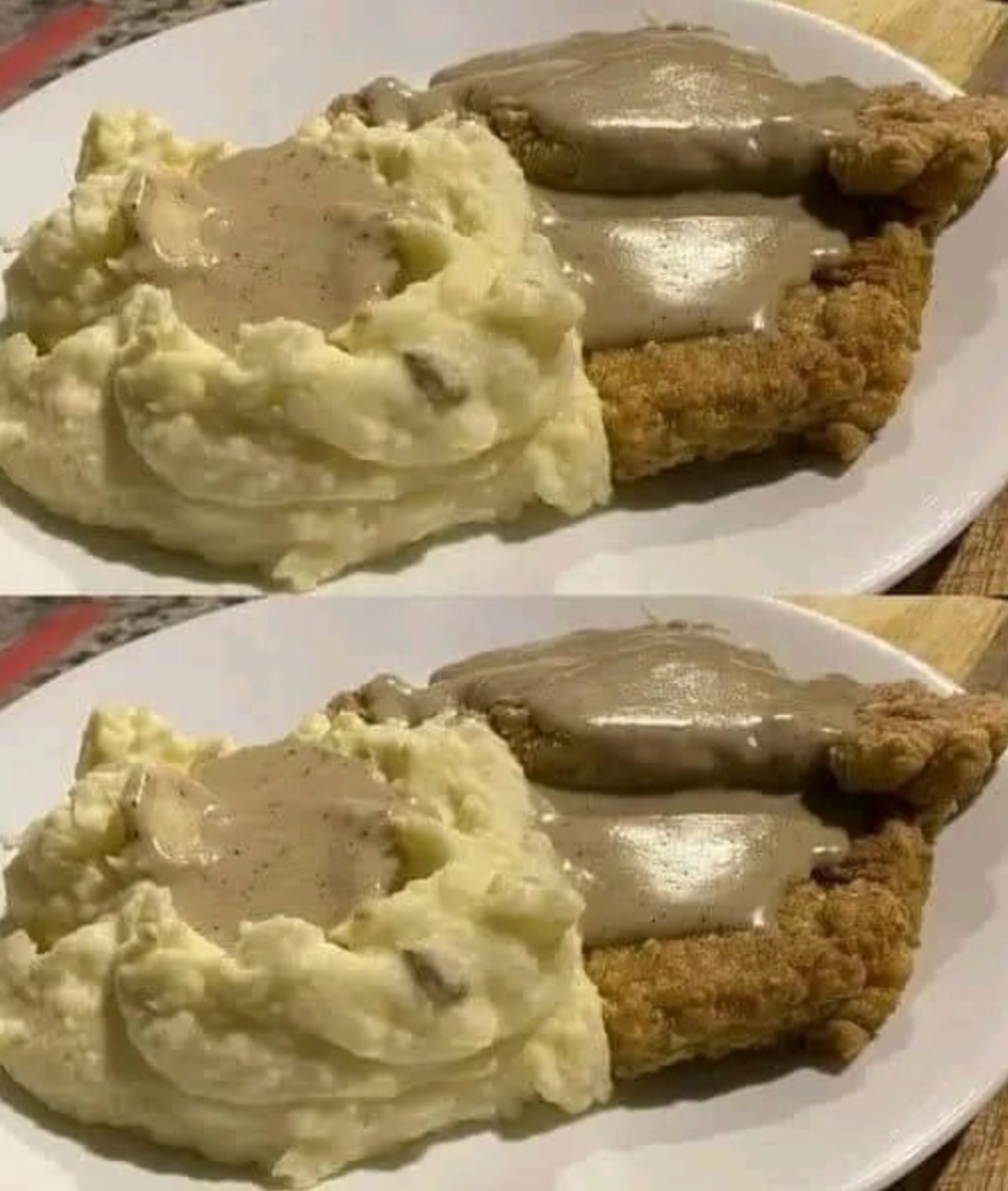
Mashed potatoes are one of the most iconic comfort foods in the world. Soft, creamy, and buttery, they have the power to transform even a simple meal into something indulgent. From holiday feasts to weeknight dinners, mashed potatoes are always welcome on the table.
But here’s the truth: the classic boiling method isn’t always the best.
When you boil potatoes in water, you risk three big problems:
- Waterlogged potatoes → too much moisture leads to a mushy or gluey texture.
- Lost flavor → natural potato flavor leaches into the water and gets poured down the drain.
- Nutrient loss → vitamins and minerals (like vitamin C and potassium) seep into the water instead of staying in your food.
So what’s the better way?
Steam or bake your potatoes instead.
These two methods concentrate flavor, preserve nutrients, and ensure a fluffy, creamy texture. No more watery mashed potatoes — just pure potato goodness that melts on your spoon and in your heart.
Why This Method Works
- Steaming: Keeps the potatoes moist without soaking them. They cook evenly and retain more of their natural potato flavor.
- Baking: Dries the potatoes slightly, concentrating flavor and starch. Perfect for extra-fluffy purée.
- No water involved: Which means no chance of soggy results.
This approach gives you a rich, creamy purée with a flavor that’s more intense than boiled potatoes could ever deliver.
Ingredients
For 4 servings (about 6 cups of purée):
- 2 pounds (about 1 kg) starchy potatoes – Yukon Golds or Russets are best.
- ½ cup (120 ml) whole milk or heavy cream – warmed.
- 6 tablespoons (85 g) unsalted butter – softened or melted.
- Salt, to taste – start with 1 teaspoon kosher salt.
- Freshly ground black pepper, to taste.
- Optional flavor add-ins:
- Roasted garlic (2–3 cloves, mashed)
- Chives, parsley, or thyme
- Olive oil (for a lighter, dairy-free version)
- Parmesan cheese for richness
Step-by-Step Instructions
Step 1: Choose and Prepare the Potatoes
- Use starchy potatoes like Russets for light, fluffy purée, or Yukon Golds for creamier, buttery results.
- Wash thoroughly to remove dirt. You can peel before cooking or after (some people prefer baking with skins on, then peeling).
Step 2: Cook Without Boiling
Option 1: Steam the Potatoes
- Cut potatoes into large chunks (about 2-inch pieces).
- Place in a steamer basket over simmering water. Cover tightly.
- Steam until fork-tender, about 20–25 minutes.
- Remove and let excess moisture evaporate for 1–2 minutes.
Option 2: Bake the Potatoes
- Preheat oven to 400°F (200°C).
- Pierce potatoes with a fork a few times.
- Bake whole potatoes directly on the oven rack or on a sheet pan until tender, about 50–60 minutes.
- Peel after baking while still warm.
Step 3: Mash the Potatoes
- For the smoothest purée, use a potato ricer or food mill. This prevents lumps and avoids overworking the starch (which can make potatoes gluey).
- If you don’t have those tools, a handheld masher works, but don’t use a food processor — it makes potatoes gummy.
Step 4: Add Dairy and Seasoning
- Warm the milk or cream in a small saucepan (never add cold dairy to hot potatoes, or they’ll stiffen).
- Mix the butter into the hot potatoes until fully absorbed.
- Slowly add warm milk, stirring gently, until you reach your desired creaminess.
- Season with salt and pepper to taste.
Step 5: Serve Immediately
Mashed potatoes are best enjoyed fresh and hot. Serve them in a warmed bowl so they stay creamy until the last bite.
Pro Tips for Perfect Purée
- Dry matters: After steaming or baking, let potatoes sit for a minute so surface moisture evaporates before mashing.
- Butter first, milk second: Adding butter before milk ensures a silkier texture.
- Low mixing: Overmixing develops too much starch → gluey potatoes.
- Warm ingredients: Always add warm milk/cream and melted butter for smooth absorption.
Variations
- Garlic Mashed Potato Purée: Roast a whole head of garlic until soft, squeeze out the cloves, and mash them into the potatoes.
- Herbed Purée: Stir in fresh chopped herbs like chives, thyme, or parsley for a fragrant twist.
- Cheesy Purée: Fold in Parmesan, Gruyère, or cheddar for rich, savory flavor.
- Olive Oil Purée: Replace butter with extra virgin olive oil for a Mediterranean touch.
- Truffle Purée: Add a drizzle of truffle oil or shaved truffle for an elegant holiday version.
Storage and Reheating
- Refrigerator: Store in an airtight container for up to 3 days.
- Freezer: Place in freezer-safe bags or containers for up to 2 months. Thaw overnight in the fridge before reheating.
- Reheat: Warm gently in a saucepan over low heat, adding a splash of milk or cream to restore creaminess.
Serving Ideas
- Pair with roasted chicken, beef steak, lamb chops, or baked salmon.
- Use as a base for braised meats, stews, or mushroom ragout.
- Add a drizzle of gravy for the ultimate holiday side dish.
- Serve alongside roasted vegetables for a vegetarian meal.
Final Thoughts
Boiling might be the traditional way to make mashed potatoes, but it’s far from perfect. By steaming or baking your potatoes instead, you unlock their natural flavor, preserve nutrients, and create a purée that’s smooth, creamy, and never watery.
This method is simple, foolproof, and a total game-changer for anyone who loves potatoes. Whether you keep it classic with butter and cream or elevate it with herbs, cheese, or truffle, your mashed potato purée will steal the show every time.