Sourdough pancakes aren’t just breakfast — they’re a celebration of patience, flavor, and simple pleasures.
Every bite tells a story of fermentation, old-world craft, and that unmistakable tang that only sourdough can bring.
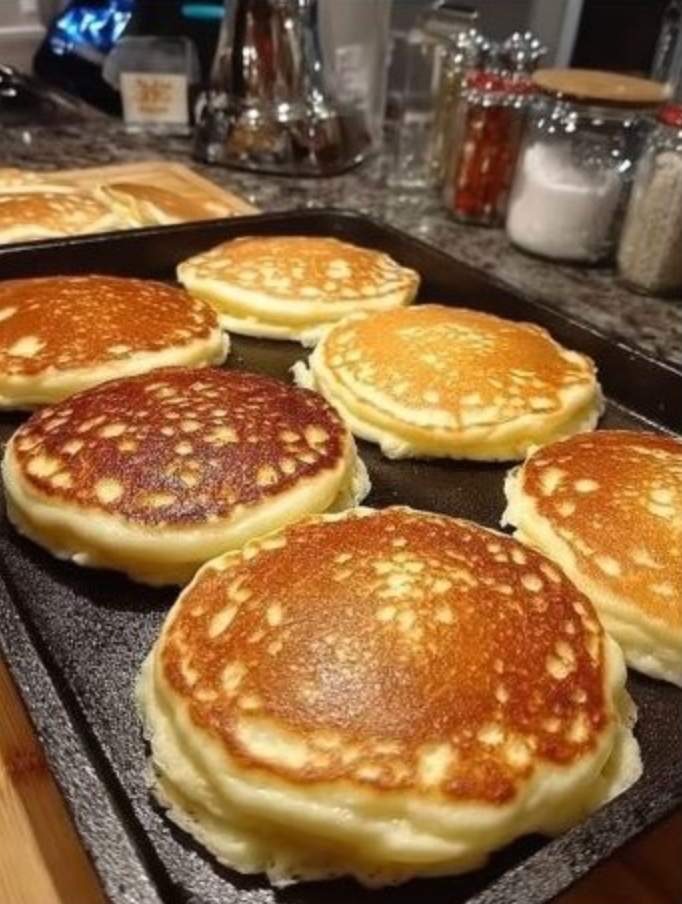
These pancakes are light, fluffy, and golden, with crisp edges and a slightly chewy interior. The sourdough starter adds a depth of flavor that makes them more complex than ordinary pancakes — mildly tangy, rich, and beautifully balanced.
Whether you use leftover starter from your daily feedings or a matured one that’s been bubbling overnight, this recipe transforms waste into magic. Perfect for slow mornings, cozy brunches, or any day that deserves a little extra comfort.
Ingredients (Makes about 12 pancakes)
For the Overnight Sponge (Base Mixture)
- 1 cup (240 g) sourdough starter (active or discard, room temperature)
- 1 cup (120 g) all-purpose flour
- 1 cup (240 ml) buttermilk or whole milk
This step develops flavor and texture. Letting the sponge rest overnight makes the pancakes extra fluffy and aromatic.
For the Final Batter
- 2 large eggs
- 2 tablespoons sugar (you can adjust to taste or skip for savory pancakes)
- 2 tablespoons melted butter (or neutral oil)
- ½ teaspoon salt
- 1 teaspoon baking soda (for lift)
- ½ teaspoon vanilla extract (optional but adds warmth)
Optional Add-ins
You can personalize your pancakes:
- A handful of blueberries, chocolate chips, or chopped nuts
- 1 teaspoon cinnamon or cardamom for spice
- A pinch of lemon zest for brightness
- 1 mashed banana for extra softness and natural sweetness
Instructions
Step 1: Prepare the Overnight Sponge
- In a large mixing bowl, combine the sourdough starter, flour, and buttermilk.
- Stir until smooth and thick — it should resemble a thick batter or soft dough.
- Cover loosely with plastic wrap or a kitchen towel.
- Let it sit at room temperature for 8–12 hours (overnight is perfect).
During this time, the mixture will bubble, rise slightly, and develop a mild tangy aroma — this is the natural fermentation process.
Tip: If your kitchen is warm, reduce fermentation to 6–8 hours. If it’s cool, it can go up to 12–14 hours.
Step 2: The Next Morning – Add Remaining Ingredients
- In a separate bowl, whisk together eggs, sugar, melted butter, and vanilla until smooth.
- Pour this mixture into the overnight sponge.
- Sprinkle salt and baking soda on top.
- Gently fold everything together with a spatula.
The batter will react immediately — it’ll become lighter and slightly bubbly as the baking soda neutralizes the acidity from the sourdough. Don’t overmix; just combine until smooth.
Step 3: Rest the Batter (Optional but Helpful)
Let the batter sit for 5–10 minutes before cooking.
This allows the gluten to relax and air bubbles to stabilize, which gives you softer pancakes.
Step 4: Cook the Pancakes
- Heat a non-stick skillet or griddle over medium heat.
- Lightly grease it with butter or oil.
- Pour about ¼ cup of batter for each pancake.
- Cook until small bubbles form on the surface and the edges look slightly dry — about 2 to 3 minutes.
- Flip gently and cook for another 1–2 minutes, until golden brown and cooked through.
Tip: Wipe the pan lightly with a paper towel between batches and re-butter it to prevent sticking and burning.
Step 5: Serve Immediately
Stack the pancakes warm and high on a plate.
Serve with your favorite toppings — butter, maple syrup, fresh berries, or a dollop of yogurt.
For a cozy German-style touch (inspired by traditional sourdough breakfasts), sprinkle with powdered sugar and serve with warm apples sautéed in butter and cinnamon.
Topping Ideas
Here are some delicious ways to elevate your sourdough pancakes:
- Classic: Butter + maple syrup
- Fruity: Warm blueberry compote or sliced bananas with honey
- Nutty: Toasted pecans or almonds with caramel drizzle
- Savory twist: Top with crispy bacon, fried egg, and a drizzle of hot honey
- European style: Greek yogurt, berry jam, and a dusting of powdered sugar
Storage and Reheating
- Refrigerate: Store leftover pancakes in an airtight container for up to 3 days.
- Freeze: Stack between sheets of parchment paper and freeze for up to 2 months.
- Reheat: Warm in a toaster, oven, or skillet — they come back soft and fluffy.
Chef’s Tips
- Sourdough Starter: Both active and discard work fine. Discard gives a more pronounced tang, while active starter gives extra fluff.
- Thickness: If the batter is too thick, add a splash of milk. If it’s too thin, sprinkle a little flour.
- Flavor Boost: A bit of buttermilk powder or yogurt deepens the tanginess.
- Resting: The longer you rest the overnight sponge, the more complex the flavor will be — don’t skip it!
- Cooking Surface: Cast iron griddles give a beautiful golden crust and even heat.
Variation: Sourdough Whole Wheat Pancakes
For a wholesome twist, replace half the flour with whole wheat flour. The texture will be heartier and the flavor more nutty — perfect with honey, nuts, or spiced apples.
In Summary
These Sourdough Pancakes are the ultimate fusion of tradition and comfort — tender, tangy, and golden brown on the outside with a soft, airy middle.
They taste like a slow morning should — unhurried, cozy, and full of warmth.
Every bite has that subtle sourdough magic: a whisper of tang, a touch of butter, and a sense that you’re tasting something made with care and patience.
They’re not just pancakes — they’re a reminder that even leftovers (like sourdough discard) can be turned into something beautiful.