A Deep, Practical Guide to Phantom Power, Hidden Costs, and Smarter Habits at Home
You flip the switch. The light goes off, the screen goes dark, the appliance goes quiet. It feels like the job is done. But in many homes, that moment of “off” is not truly the end. Behind the silence, certain devices continue to draw small amounts of electricity—minute by minute, hour by hour, day after day.
This phenomenon is known as phantom load, or standby power. It is subtle, invisible, and often overlooked. Yet over time, it accumulates into measurable costs, unnecessary energy consumption, and even potential safety concerns.
This guide explores in depth what phantom energy is, why it exists, which appliances are responsible, and how simple changes in daily habits can reduce waste, improve safety, and extend the life of your devices.
Understanding Phantom Power
What Is Standby Power?
Standby power refers to the electricity consumed by devices when they are:
- Switched off but still plugged in
- In sleep or idle mode
- Waiting for remote signals or quick restart
In other words, the device is not actively being used, but it is still connected to power and performing background functions.
Why Devices Continue Using Power
Many modern appliances are designed to remain partially active even when turned off. This allows them to:
- Start quickly when turned on
- Maintain settings, memory, or clocks
- Respond to remote controls
- Stay connected to networks (Wi-Fi, Bluetooth)
While each device may use only a small amount of power, the combined effect across an entire home can be significant.
The Hidden Cost Over Time
Energy experts estimate that standby power can account for up to 5–10% of total household electricity usage.
This means:
- You are paying for electricity you are not actively using
- The cost accumulates continuously, even when you are asleep or away
- Over a year, this can represent a noticeable increase in your energy bill
Why It Matters Beyond Cost
1. Financial Impact
Even small energy draws become expensive over time. A few watts per device, multiplied across multiple appliances and continuous hours, adds up.
2. Environmental Impact
Unnecessary electricity use contributes to:
- Increased energy demand
- Greater resource consumption
- Higher overall environmental footprint
Reducing phantom load is a simple way to lower energy waste.
3. Safety Considerations
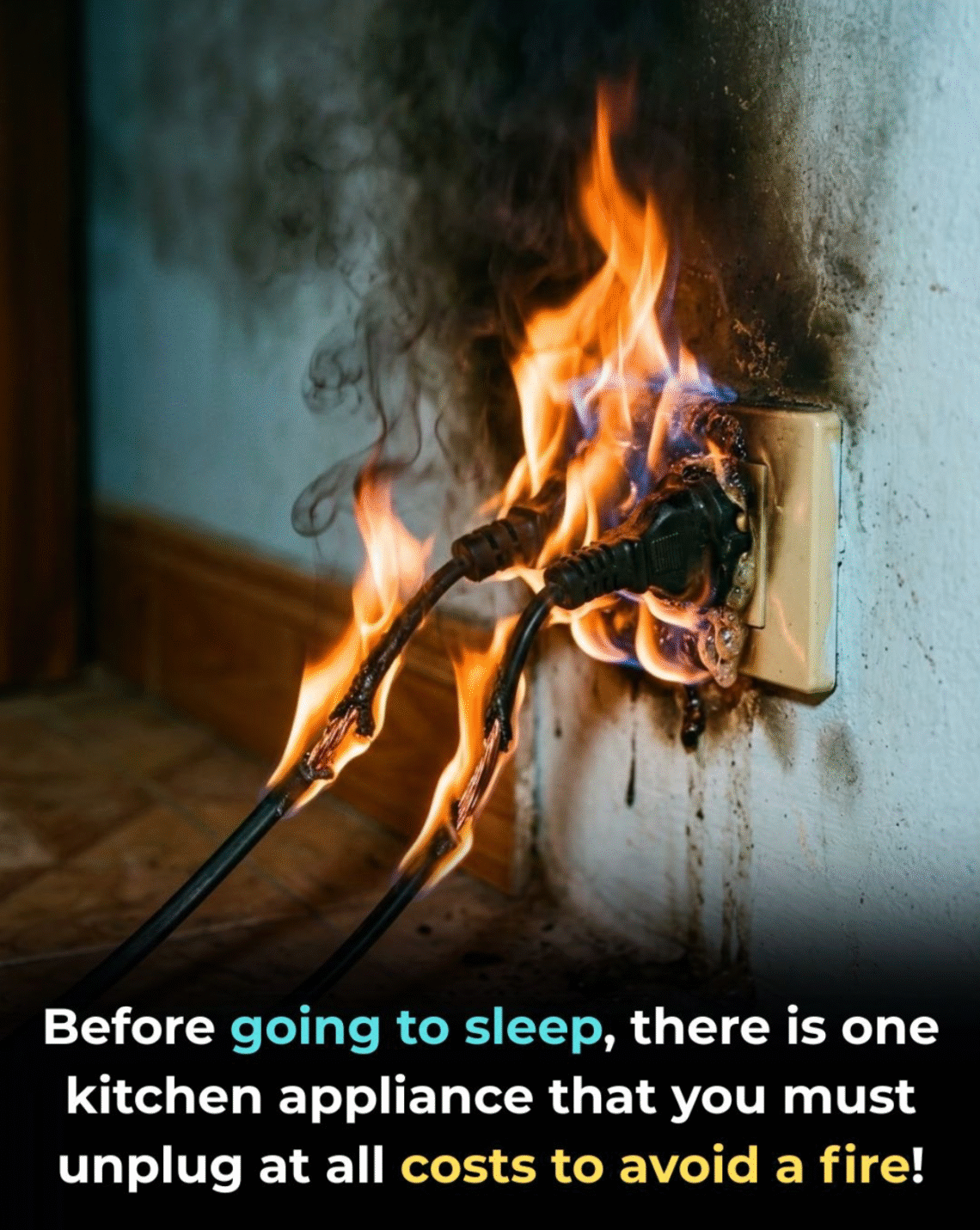
Devices that remain plugged in may pose risks, especially if:
- They are old or worn
- They overheat during standby
- They are placed near flammable materials
While most modern appliances are designed to be safe, reducing unnecessary electrical activity lowers overall risk.
The 5 Most Common Energy-Draining Appliances
Below are five categories of appliances that commonly continue drawing power after being “turned off.”
1. Televisions and Entertainment Systems
Why They Use Power
Modern televisions and related devices (set-top boxes, streaming devices, gaming consoles) often remain in standby mode to:
- Enable quick startup
- Receive remote signals
- Download updates
Hidden Consumption
Even when the screen is off, these systems may:
- Maintain network connections
- Keep internal circuits active
- Power indicator lights or sensors
Additional Devices
- Sound systems
- Media players
- DVD or Blu-ray units
Together, these can form a cluster of continuous energy use.
2. Phone Chargers and Power Adapters
Why They Use Power
Chargers continue drawing electricity as long as they are plugged into an outlet, even when not connected to a device.
What Happens
- Internal transformers remain active
- Small amounts of energy are continuously consumed
Why It Matters
While each charger uses very little power, the number of chargers in a typical home can make the total significant.
3. Computers and Office Equipment
Devices Included
- Desktop computers
- Laptops (when plugged in)
- Printers
- Routers and modems
Standby Behavior
These devices often:
- Stay in sleep mode
- Maintain network connections
- Keep internal systems partially active
Continuous Usage
Routers and modems are typically left on 24/7, contributing to constant energy consumption.
4. Kitchen Appliances
Common Examples
- Microwaves
- Coffee makers
- Ovens with digital displays
- Dishwashers
Why They Use Power
Many kitchen appliances include:
- Digital clocks
- Control panels
- Memory functions
These features require continuous electricity.
5. Laundry Appliances
Examples
- Washing machines
- Dryers
Standby Features
Modern units may include:
- Electronic controls
- Sensors
- Display panels
Even when not in use, these components may draw small amounts of power.
Additional Hidden Energy Users
Beyond the main categories, other devices also contribute:
- Smart home devices
- Gaming consoles in standby mode
- Audio equipment
- Electric toothbrush chargers
- Cable boxes
Individually minor, collectively impactful.
The Science Behind Energy Drain
Electricity flows through circuits whenever a device is connected to power. Even in standby mode, certain components remain active:
- Transformers convert voltage
- Circuits monitor signals
- Memory units store settings
This continuous activity, though minimal, requires energy.
Practical Ways to Reduce Phantom Power
1. Unplug When Not in Use
The most effective method is simple:
- Disconnect devices from outlets when not needed
This completely eliminates standby consumption.
2. Use Power Strips
Power strips allow you to:
- Turn off multiple devices at once
- Disconnect entire systems easily
This is especially useful for entertainment centers or office setups.
3. Smart Power Strips
Advanced power strips can:
- Automatically cut power to idle devices
- Detect when a primary device is turned off
This reduces effort while maintaining efficiency.
4. Develop Daily Habits
Small habits can make a big difference:
- Unplug chargers after use
- Turn off power strips at night
- Disconnect appliances when leaving home
Consistency is key.
5. Choose Energy-Efficient Devices
When purchasing appliances:
- Look for energy-efficient models
- Check standby power ratings
Modern devices are often designed to use less standby energy.
Safety Benefits of Unplugging
Reducing standby power also improves safety:
- Lowers risk of electrical faults
- Reduces overheating potential
- Minimizes exposure to electrical surges
This is particularly important for:
- Older appliances
- Devices left unattended for long periods
Long-Term Benefits
Adopting these practices leads to:
- Lower electricity bills
- Reduced environmental impact
- Increased lifespan of devices
- Greater awareness of energy use
Over time, these small actions create meaningful change.
Common Misconceptions
“If It’s Off, It Uses No Power”
In many cases, this is not true. “Off” often means “standby,” not complete disconnection.
“The Energy Use Is Too Small to Matter”
Individually small, but collectively significant—especially over long periods.
“Unplugging Is Inconvenient”
With simple systems like power strips, the process becomes quick and easy.