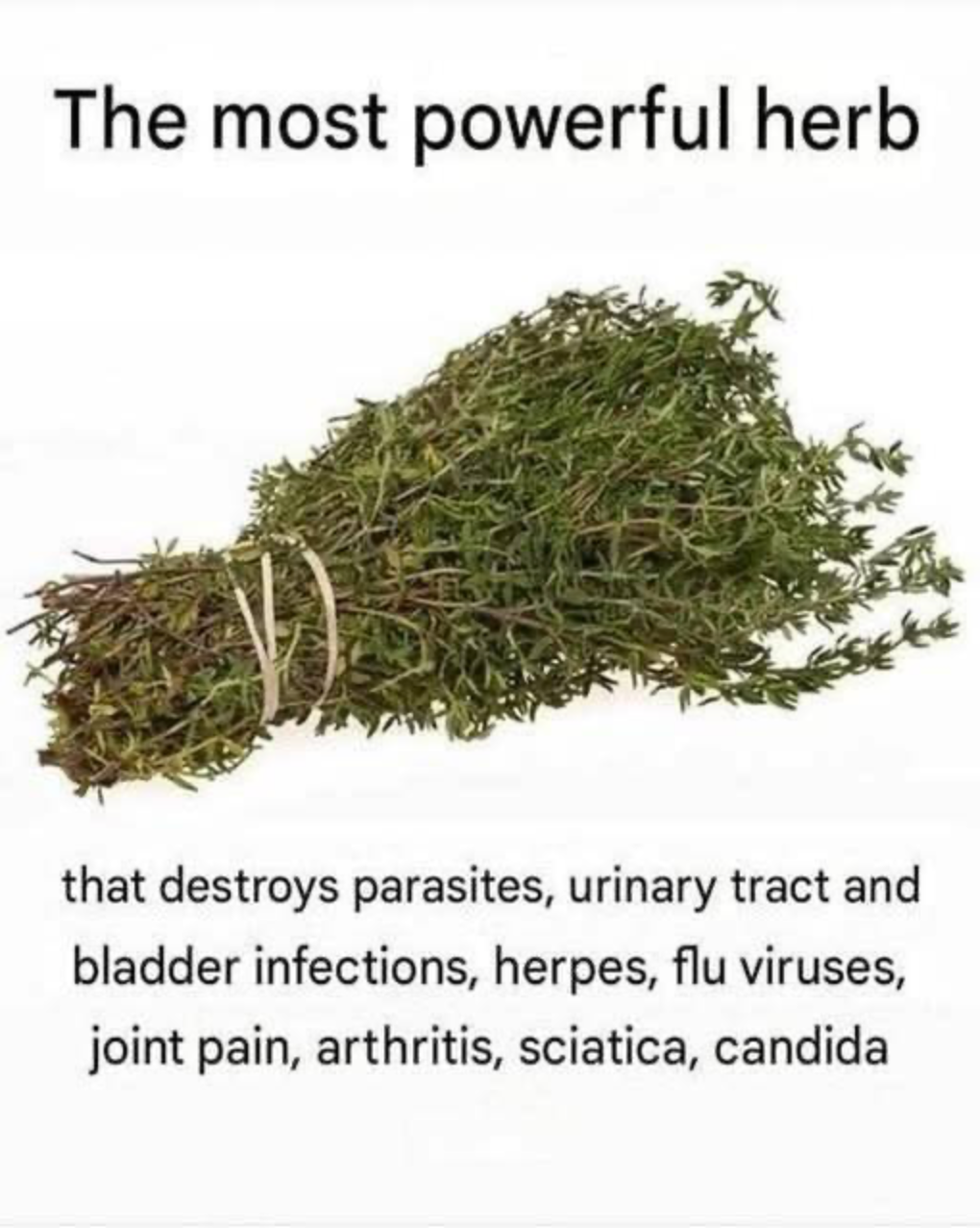
Throughout the long and storied history of natural medicine, few herbs have earned as much admiration and respect as Origanum vulgare, the hardy, aromatic perennial known widely as oregano. While most people today are familiar with oregano as a flavor-enhancing staple of Mediterranean and Italian cuisine, its medicinal legacy is equally profound—and, in many ways, even more impressive.
A Legacy Rooted in Ancient Medicine
The therapeutic use of oregano dates back thousands of years to the civilizations of ancient Greece, Rome, and beyond. Ancient physicians and herbalists, working long before the advent of microscopes, petri dishes, and chemical assays, developed an intuitive understanding of the plant’s remarkable healing properties.
- Greek physicians like Hippocrates praised oregano for its cleansing and warming qualities. They used it to treat digestive disturbances, respiratory issues, and even skin infections.
- Roman herbalists recommended oregano for maintaining general vitality, supporting the body’s natural defenses, and promoting urinary health.
Oregano’s role in traditional medicine was not merely anecdotal; it was systematic and intentional, forming part of a broader understanding of herbs as agents of balance, protection, and wellness.
The Science Behind the Tradition
Modern science has begun to validate what our ancestors knew intuitively. Research has shown that oregano contains a potent concentration of bioactive compounds, particularly carvacrol and thymol, which exhibit strong antimicrobial, antifungal, and antiparasitic properties. These compounds are remarkably effective at inhibiting the growth of a wide spectrum of harmful microorganisms, including bacteria and parasites that can affect the urinary tract and digestive system.
- Antimicrobial power: Studies demonstrate that oregano oil can combat strains of bacteria that are increasingly resistant to conventional antibiotics.
- Antiparasitic potential: Emerging evidence suggests that oregano compounds may disrupt the life cycles of certain intestinal parasites, supporting gut health.
- Urinary tract support: By helping to reduce harmful bacterial colonization, oregano may play a complementary role in maintaining a healthy urinary tract.
In an era where antibiotic resistance is a growing concern, oregano represents a natural, evidence-backed ally in the pursuit of holistic wellness.
How Oregano Supports Overall Health
Oregano’s benefits extend far beyond its culinary appeal:
- Digestive wellness: Oregano can stimulate healthy digestive enzymes, reduce bloating, and support the microbiome.
- Immune support: Its antimicrobial properties help the body maintain a balanced microbial environment, strengthening defenses against infections.
- Skin and mucosal health: Applied topically in diluted oil form, oregano has historically been used to soothe minor skin irritations and fungal infections.
- Urinary tract and kidney health: Oregano’s antibacterial compounds may help the body maintain a healthy urinary tract by reducing bacterial overgrowth.
- Anti-inflammatory properties: Preliminary research suggests oregano may modulate inflammatory responses, further supporting overall wellness.
Culinary and Therapeutic Uses
One of oregano’s unique advantages is its versatility. It can nourish the body in multiple forms:
- Fresh or dried leaves: Add to soups, sauces, and teas to enjoy both flavor and health benefits.
- Oregano essential oil: Highly concentrated, it can be used carefully (always diluted) for antimicrobial and antifungal purposes.
- Tinctures and extracts: Provide a convenient way to harness oregano’s bioactive compounds in measured doses.
It’s important to note that essential oils are highly potent and should never be consumed undiluted. For internal use, oregano oil capsules or standardized extracts are generally safer and more practical.
Modern Relevance
As interest in natural remedies, holistic health, and preventive medicine continues to grow, oregano is experiencing a resurgence in both scientific research and everyday use. Its combination of traditional wisdom, culinary familiarity, and clinically supported antimicrobial activity makes it a uniquely powerful herb in today’s wellness landscape.
From ancient Greece to modern kitchens and wellness routines, oregano continues to demonstrate that nature often provides what science is only beginning to confirm: that plants can be both delicious and medicinally potent.
Conclusion:
Oregano is far more than a spice. It is a timeless herbal ally, supporting digestive health, urinary tract integrity, and the body’s natural defenses against microbial threats. By embracing both its culinary and therapeutic roles, we honor centuries of wisdom while taking advantage of modern scientific validation. Whether brewed as a tea, incorporated into meals, or used in carefully measured extracts, oregano remains a cornerstone of natural health and holistic care.