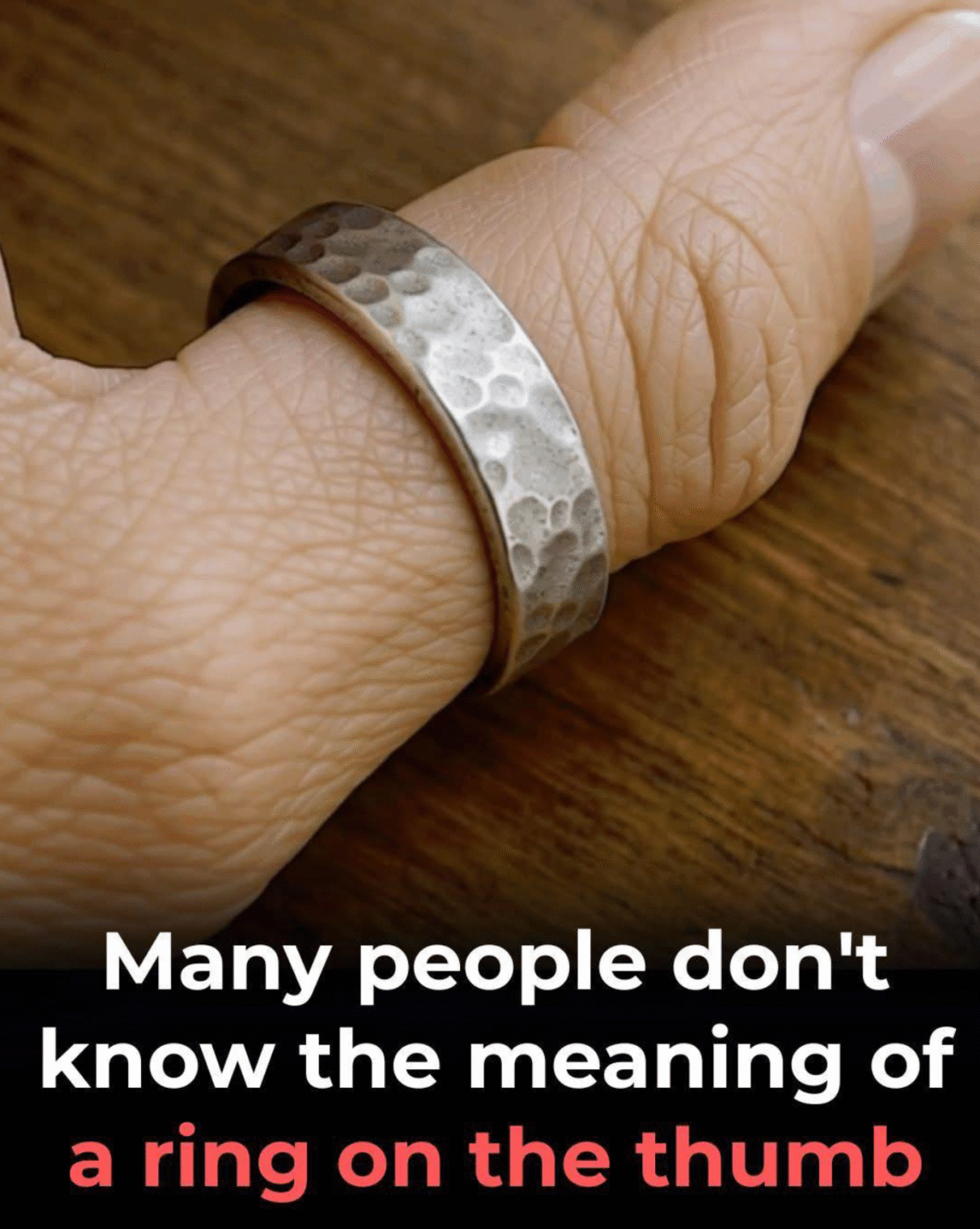
A thumb ring might look like just another piece of jewelry at first glance—a simple band adorning the hand. But unlike rings on other fingers, the thumb carries distinct symbolism, social significance, and cultural history that makes wearing a ring there more than just a fashion statement. Across centuries and cultures, a thumb ring has conveyed everything from power and wealth to independence and personal identity. Understanding the hidden meaning behind this seemingly ordinary gesture can give insight into human psychology, cultural practices, and even personal style.
The Symbolism of the Thumb
The thumb is unique among the fingers: it’s strong, opposable, and essential for grip and dexterity. In body language and symbolism, the thumb is associated with:
- Willpower and Strength: The thumb represents self-assertion, independence, and personal determination.
- Control and Authority: Because it enables a firm grip and precise movement, the thumb symbolizes control over one’s environment and decisions.
- Individuality: Unlike other fingers, which often carry traditional or social connotations (e.g., ring finger = marriage), the thumb is more personal, representing the wearer’s unique personality.
Given these associations, wearing a ring on the thumb can signal a conscious or subconscious message about identity, confidence, and influence.
Historical and Cultural Significance
- Ancient Civilizations:
- In Mesopotamia and Egypt, thumb rings were sometimes worn by nobility and military leaders as symbols of status and authority.
- Archers in the Middle East historically wore thumb rings made of leather or metal to protect their thumbs when drawing bows. These practical items eventually became status symbols, elaborately decorated to show wealth and rank.
- European History:
- During the Renaissance, thumb rings occasionally indicated wealth and sophistication. The more ornate and finely crafted the ring, the higher the wearer’s social status.
- In some cultures, a thumb ring was a discreet way to show financial independence or social distinction, since other fingers were already “spoken for” with family or marital rings.
- Modern Interpretations:
- Today, thumb rings are often associated with self-expression, confidence, and nonconformity.
- Wearing a thumb ring can be a fashion statement or a personal declaration, symbolizing a strong, independent personality.
Gender and Thumb Rings
The meaning of a thumb ring can vary depending on gender and cultural context:
- Men: Traditionally, a thumb ring for men can suggest power, authority, or dominance. It can also indicate a bold, self-assured personality, especially in cultures where other fingers were reserved for marital or family rings.
- Women: For women, a thumb ring often represents independence, individuality, and confidence. It can signal personal freedom, self-expression, or even rebellion against traditional norms.
- Nonbinary or Unisex: Thumb rings are increasingly embraced as gender-neutral jewelry, symbolizing self-identity, personal style, and empowerment rather than conforming to gendered traditions.
The Psychology Behind Wearing a Thumb Ring
From a psychological perspective, the choice to wear a ring on the thumb can reveal subtle traits about personality and behavior:
- Confidence: People who wear thumb rings often exhibit self-assuredness and a desire to stand out or assert individuality.
- Practicality: The thumb is strong and less flexible than other fingers, so a ring here may reflect a preference for practical, deliberate fashion choices.
- Nonconformity: Since thumb rings are less common than rings on the traditional “ring” or “middle” fingers, they often signal independence from societal norms.
- Attention to Detail: Wearing a thumb ring may suggest that the wearer is aware of symbolism and personal expression, choosing jewelry with intention rather than habit.
Thumb Rings in Pop Culture and Fashion
In contemporary fashion, thumb rings have become a statement accessory:
- Celebrities and Influencers: Many public figures wear thumb rings to express boldness, confidence, or avant-garde style.
- Street Style: Thumb rings are often layered with other rings, bracelets, or watches for a modern, edgy aesthetic.
- Symbolic Jewelry: Some designers create thumb rings to represent empowerment, courage, or milestones, turning them into more than just adornment.
How to Wear a Thumb Ring
- Fit Matters: The thumb is usually thicker than other fingers, so a well-fitting ring should feel secure without being tight.
- Style Options:
- Bold, chunky rings signal confidence and assertiveness.
- Slim, minimalist bands suggest subtlety and elegance.
- Rings with symbols, gemstones, or engravings can convey personal meaning.
- Mix and Match: Thumb rings can be paired with rings on other fingers or worn alone for a statement look.
- Hand Dominance: Some believe wearing a thumb ring on your dominant hand symbolizes action, assertiveness, and outgoing energy, while the non-dominant hand represents reflection, intuition, and personal values.
Common Misconceptions
- Thumb Rings Are Just Fashion: While many wear them for style, historically and culturally, thumb rings have conveyed status, skill, and personal traits.
- Thumb Rings Indicate Marital Status: Unlike the ring finger, the thumb is rarely linked to marriage, though some cultures assign symbolic meaning to ring placement.
- Thumb Rings Are Unisex: While there are gendered interpretations, thumb rings are widely worn by anyone seeking self-expression or individuality.
Final Thoughts
A thumb ring is far more than a piece of metal or decorative jewelry. Across cultures and centuries, it has symbolized strength, authority, individuality, and personal confidence. Choosing to wear a ring on your thumb is both a fashion statement and a subtle psychological signal—an assertion of identity and intention in a world full of norms and traditions.
Next time you notice someone wearing a thumb ring, it’s not just a stylish choice—it’s a gesture rich with history, meaning, and personal significance. And if you choose to wear one yourself, you’re connecting with a centuries-old tradition of expressing power, confidence, and individuality—one finger at a time.