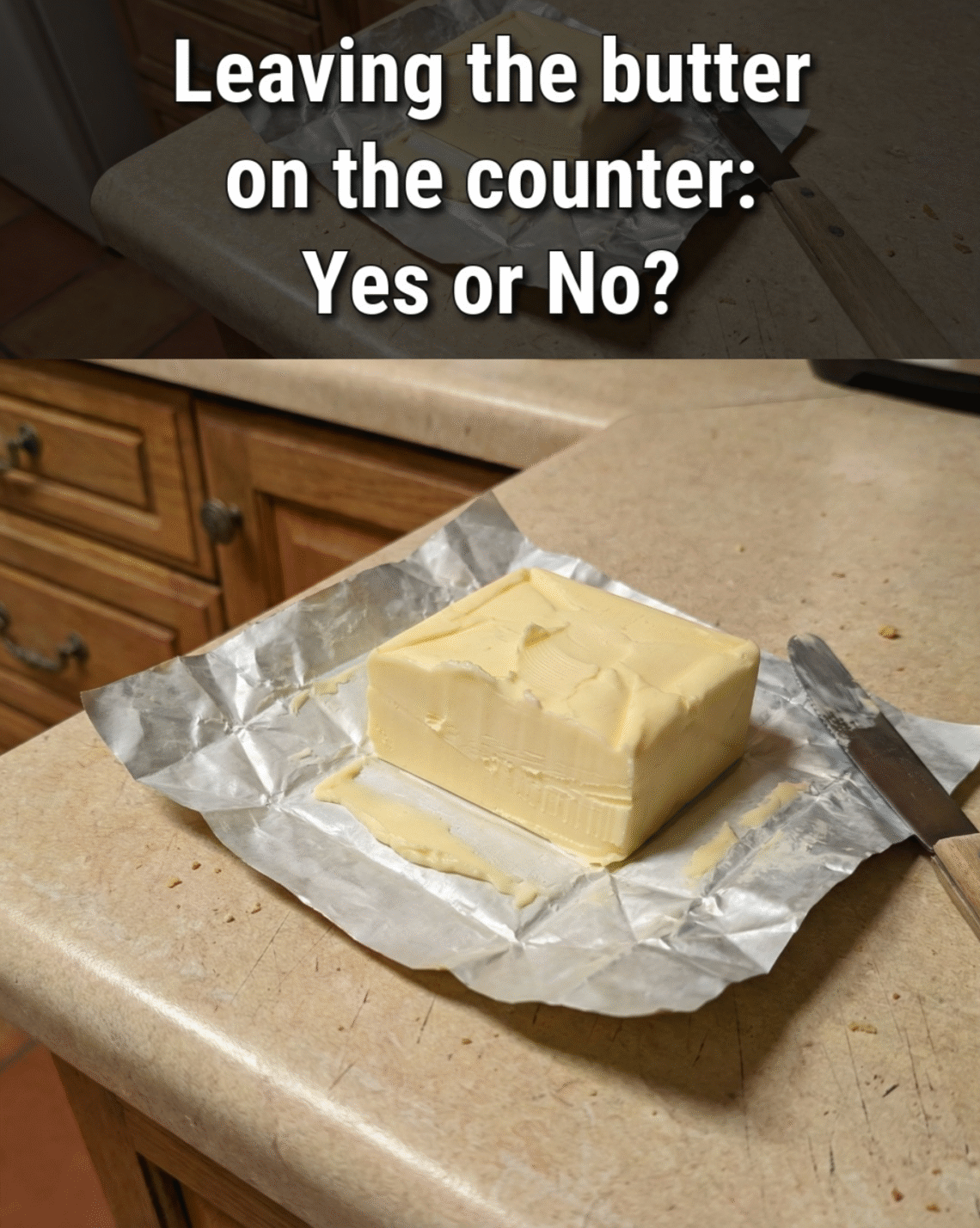
Butter is a staple in kitchens around the world. From spreading on warm toast to enriching sauces, it’s a versatile ingredient beloved for its rich, creamy flavor. But a question many home cooks ask is: Can you safely leave butter out on the counter, or does it spoil? The answer is a bit more nuanced than a simple yes or no.
The Science Behind Butter
Butter is made by churning cream, separating the fat from the liquid (buttermilk). The result is:
- About 80% fat
- Around 15–18% water
- Small amounts of milk solids and salt (if salted butter)
These characteristics determine how butter behaves at room temperature and its shelf life:
- Fat-rich content: Fat is relatively stable and resists spoilage.
- Water content: Water in butter can harbor bacteria, especially in unsalted varieties.
- Salt: Salted butter has a slight preservative effect, which slows bacterial growth.
Doctors and food scientists note that butter is less prone to bacterial spoilage than many dairy productslike milk or cream, thanks to its high fat content.
Salted vs. Unsalted Butter
- Salted butter: Salt acts as a natural preservative. It can safely sit at room temperature for 1–2 days, sometimes up to a week if stored properly.
- Unsalted butter: Without the preservative effect of salt, it is slightly more perishable. Experts recommend keeping it at room temperature for no more than 24 hours.
Tip: Salted butter is often preferred for spreading on bread, while unsalted is ideal for baking, where precise flavor control is needed.
Room Temperature Storage Guidelines
If you prefer to leave butter out for spreadable convenience, follow these steps:
- Use a butter dish with a cover: Protects from dust, air, and contaminants.
- Keep it in a cool spot: Avoid heat sources like the stove, windows, or sunlight.
- Store in small portions: Consider keeping only one stick or a half-cup out at a time.
- Check for spoilage: If butter smells sour, tastes off, or shows mold, discard it immediately.
Room temperature should ideally be below 70°F (21°C). Warmer conditions increase the risk of rancidity.
Signs Butter Has Gone Bad
Even though butter is fairly shelf-stable, it can spoil, especially if stored improperly:
- Rancid smell: A sharp, sour, or metallic odor indicates fat breakdown.
- Discoloration: Yellowed or grayish butter can be a warning sign.
- Mold: White or blue mold spots mean it should be discarded.
- Off taste: Tastes bitter or sour.
Unlike some cheeses, rancid butter cannot be safely salvaged, so always discard at the first sign of spoilage.
Benefits of Leaving Butter at Room Temperature
- Spreadability: Cold butter can tear bread; room-temperature butter spreads smoothly.
- Convenience for cooking: Soft butter blends easily into batters, sauces, and doughs.
- Flavor development: Butter slightly exposed to air can develop a more pronounced flavor, particularly in salted varieties.
Chef’s secret: Keep a covered butter dish near the stove for cooking, but replenish from the fridge weekly to maintain freshness.
Refrigeration vs. Counter
- Refrigerator storage: Ideal for long-term use (up to 1–3 months for salted, 1 month for unsalted). Keeps butter firm for precise measurements in baking.
- Counter storage: Ideal for immediate use, typically a few days at most. Provides the convenience of ready-to-spread butter.
Tip: You can pre-soften butter for baking by cutting it into small cubes or grating it while still cold, reducing the need to leave it out.
Alternatives for Room Temperature Butter
- Butter crock (French butter bell): Holds butter submerged in water to create an airtight seal, keeping butter soft and safe for up to 2 weeks.
- Whipped butter: Mixing cold butter with a little cream creates a soft texture that stays spreadable from the fridge.
Final Thoughts
So, is leaving butter on the counter safe? The answer depends on temperature, type of butter, and duration:
- Salted butter: Can sit out for 1–2 days safely; sometimes longer if kept cool.
- Unsalted butter: Safer to leave out for less than 24 hours.
- Heat and light exposure accelerate spoilage and rancidity.
By following a few simple tips—use a covered dish, store in a cool area, and watch for spoilage—you can enjoy soft, spreadable butter without compromising safety.
Butter may be simple, but its proper storage blends science, safety, and flavor—making it one of the most deceptively complex ingredients in your kitchen.