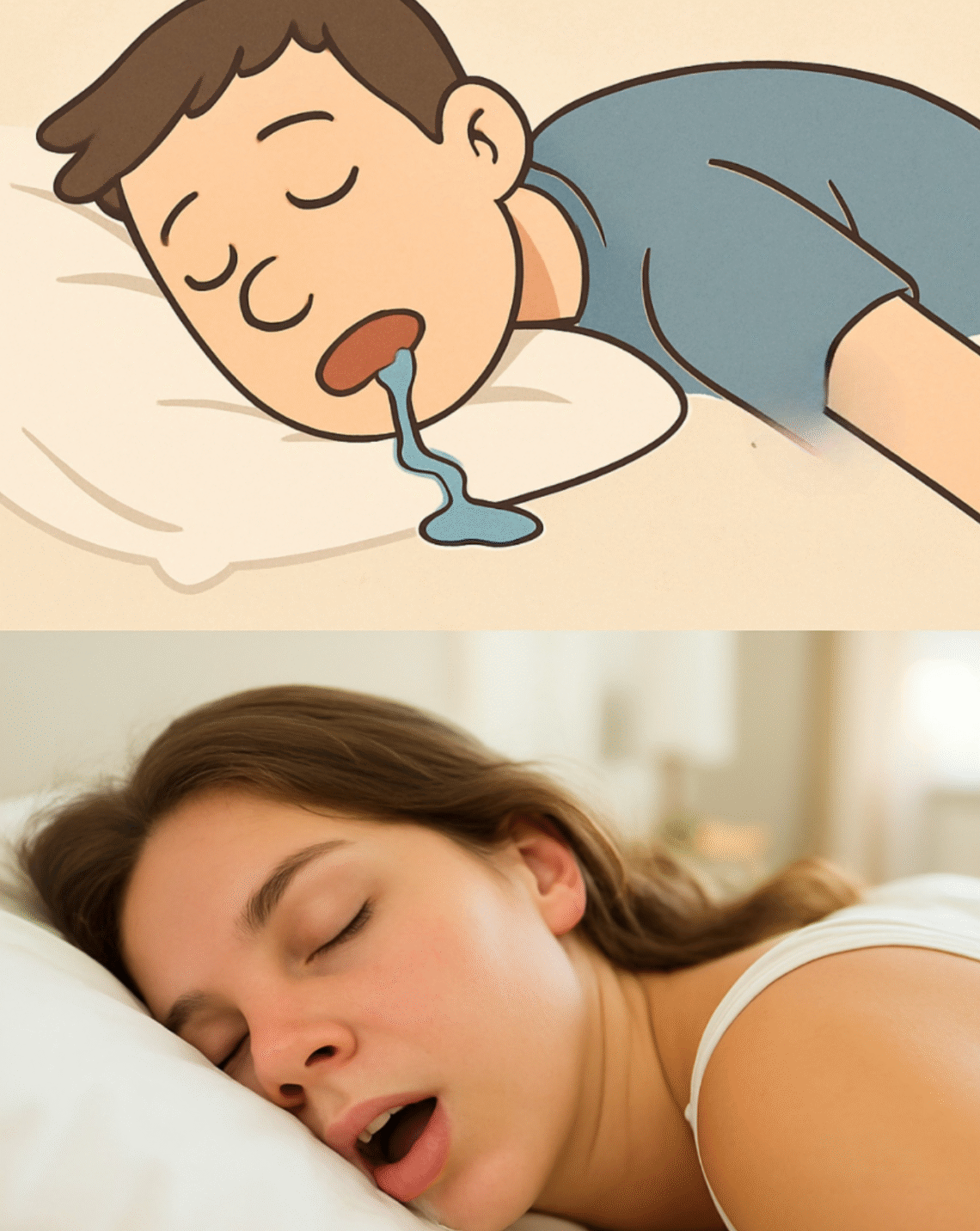
What Nighttime Drooling Could Reveal About Your Health
Waking up with a wet pillow or noticing excessive saliva escaping during sleep can be embarrassing—but it might also be a window into your health. While occasional drooling can happen to anyone, frequent nighttime drooling may signal underlying conditions that deserve attention.
Understanding why this occurs is the first step toward better sleep, improved oral health, and overall wellness.
WHY PEOPLE DROOL DURING SLEEP
Saliva is produced continuously in the mouth to:
- Aid digestion
- Protect teeth
- Maintain oral moisture
Normally, saliva is swallowed unconsciously while you sleep. Drooling occurs when:
- Swallowing reflex slows
- Mouth remains open
- Excess saliva is produced
Occasional drooling is usually harmless, but frequent or sudden drooling may indicate a medical issue.
1. Obstructive Sleep Apnea (OSA)
What It Is
OSA is a condition where the airway becomes partially or fully blocked during sleep. This causes interrupted breathing and often forces the mouth to open for air.
How It Causes Drooling
- Open mouth increases saliva leakage
- Body produces more saliva as a protective mechanism against dry mouth
Other Signs
- Loud snoring
- Morning headaches
- Daytime sleepiness
- Gasping or choking at night
Why It Matters
Sleep apnea can lead to high blood pressure, heart disease, and cognitive issues if untreated.
2. Gastroesophageal Reflux Disease (GERD)
What It Is
GERD occurs when stomach acid flows back into the esophagus, causing irritation.
How It Causes Drooling
- Acid stimulates salivary glands as a protective response
- Increased saliva can overflow, especially when lying down
Other Signs
- Heartburn
- Sour taste in mouth
- Cough or throat irritation
Why It Matters
Uncontrolled GERD can damage the esophagus and impact sleep quality.
3. Neurological Disorders
Examples
- Parkinson’s disease
- Stroke
- Bell’s palsy
- Amyotrophic lateral sclerosis (ALS)
How They Cause Drooling
- Impaired swallowing reflex
- Reduced facial muscle control
- Excess saliva accumulation
Other Signs
- Facial weakness
- Tremors or stiffness
- Speech difficulties
Why It Matters
Drooling may be an early sign of neurological decline and should prompt professional evaluation.
4. Allergies and Sinus Infections
How They Contribute
- Nasal congestion forces mouth breathing
- Mouth breathing leads to drooling
- Post-nasal drip increases saliva production
Other Signs
- Stuffy nose
- Sore throat
- Sneezing or coughing
Why It Matters
Chronic sinus issues can affect sleep and overall respiratory health.
5. Medication Side Effects
Certain medications can alter saliva production or swallowing. Examples include:
- Antipsychotics
- Sedatives
- Muscle relaxants
- Some anti-seizure drugs
How They Cause Drooling
- Relaxation of mouth muscles
- Increased or thickened saliva
- Impaired swallow reflex
Why It Matters
If drooling starts after a new medication, consult your doctor. Dosage adjustments or alternatives may help.
6. Dental or Oral Problems
Common Issues
- Misaligned teeth or bite
- Poorly fitted dentures
- Oral infections
How They Cause Drooling
- Improper mouth closure
- Increased saliva production to fight infection
- Difficulty swallowing
Other Signs
- Bad breath
- Tooth pain or sensitivity
- Gum inflammation
Why It Matters
Regular dental checkups can identify and correct oral causes of nighttime drooling.
WHEN TO SEEK MEDICAL HELP
See a doctor if:
- Drooling is frequent or worsening
- Accompanied by other concerning symptoms (sleepiness, headaches, neurological changes)
- Interferes with sleep quality
- Appears suddenly in adults with no prior history
Early evaluation can prevent complications and improve quality of life.
TIPS TO MANAGE NIGHTTIME DROOLING
- Sleep Position
- Elevate head with pillows
- Avoid sleeping face down
- Oral Hygiene
- Brush and floss regularly
- Keep mouth moist but not overly wet
- Address Congestion
- Treat allergies or sinus issues
- Use humidifier if air is dry
- Monitor Diet and Medication
- Avoid heavy meals before bed
- Review medications with a doctor
- Medical Evaluation
- Sleep study for suspected apnea
- Neurological assessment if drooling persists
FINAL THOUGHT
Drooling during sleep is often harmless, but persistent or excessive drooling can be a clue to a deeper health issue. From sleep apnea and GERD to neurological or dental problems, your nighttime saliva patterns may reveal more than you think.
Pay attention to other symptoms, track patterns, and consult healthcare professionals when needed. Simple lifestyle changes or medical treatment can reduce drooling, improve sleep, and protect long-term health.