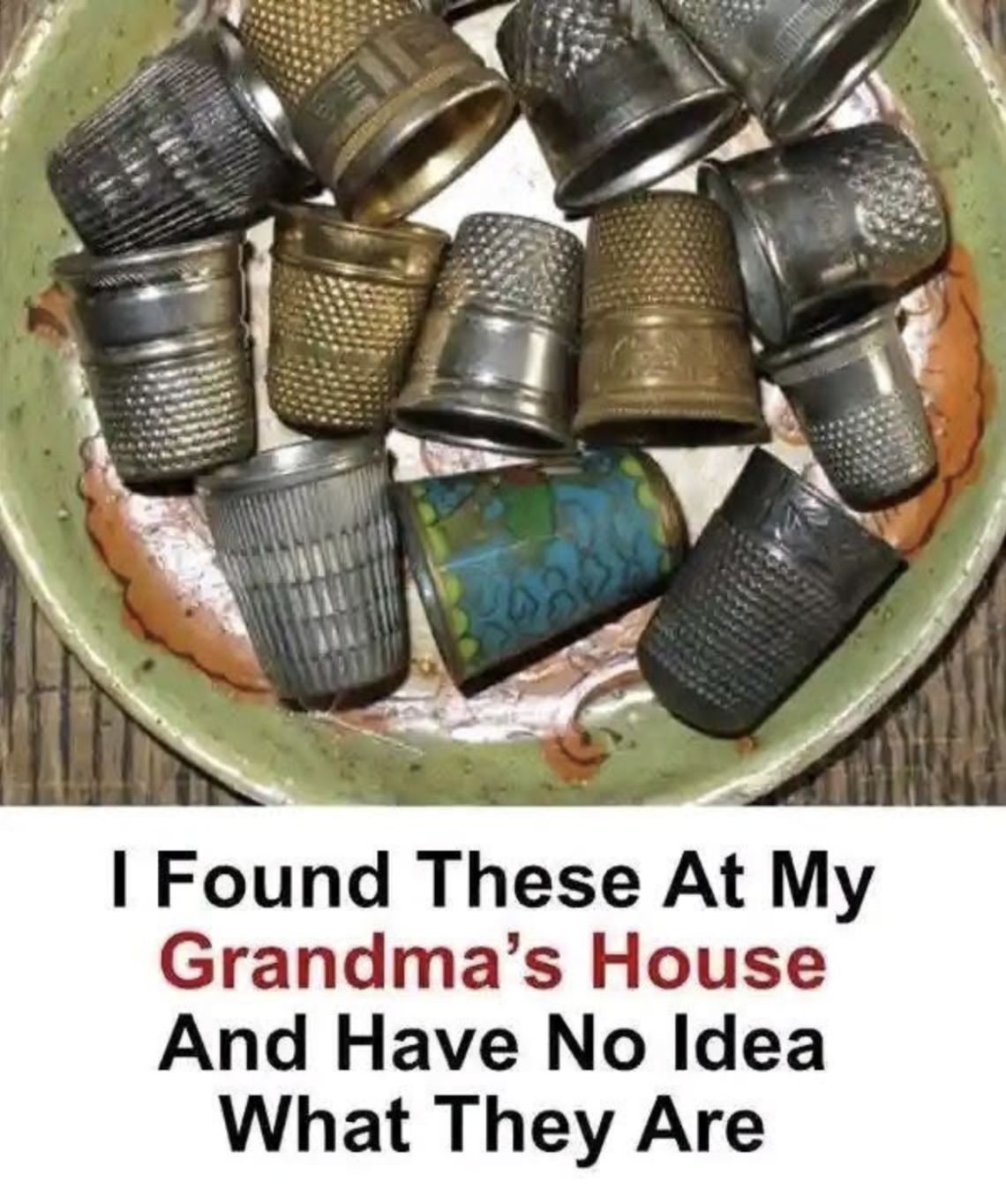
You’re cleaning out a drawer, exploring an attic, or simply visiting your grandmother’s house when you stumble upon something unusual.
It doesn’t look like anything you recognize.
Maybe it’s a small metal tool with a strange, curved shape.
Maybe it’s a delicate porcelain object with faded markings.
Maybe it’s a set of worn wooden pieces carefully stored in an old velvet-lined box, untouched for years.
For a moment, you just hold it in your hand, turning it slowly, trying to make sense of it. It feels important—but its purpose is completely unclear.
And that’s when the curiosity begins.
The Feeling of Discovering Forgotten Objects
There is something uniquely powerful about finding unknown objects in a family home.
It’s not just about the item itself—it’s about the questions it creates:
- Who used this?
- What was it for?
- Why was it kept?
- How long has it been here?
Unlike objects we buy ourselves, these items come with no explanation. No packaging. No instruction manual. Just silence—and mystery.
And in that silence, the imagination fills in the gaps.
Why Old Homes Are Full of Mysterious Objects
Older homes, especially those passed down through generations, often contain a mix of forgotten items because:
1. People kept more physical objects in the past
Before digital storage, everything was tangible:
- tools
- letters
- household devices
- decorative items
- personal keepsakes
2. Objects were repaired instead of replaced
Many items were built to last and often stayed in families for decades.
3. Attics and drawers became time capsules
Things were stored “temporarily” and never revisited.
Over time, these spaces quietly become collections of history.
The Most Common “Mystery Objects” Found in Old Homes
When people discover unfamiliar items in grandparents’ homes, they usually fall into a few categories.
1. Old Kitchen Tools
Many strange-looking metal or wooden objects turn out to be kitchen tools from past generations.
Examples include:
- hand-crank food grinders
- butter molds
- egg beaters with wooden handles
- antique corkscrews
- biscuit cutters
- meat tenderizers
These tools often look unusual because they were designed for manual use before electric appliances existed.
2. Sewing and Crafting Tools
Old sewing kits can look especially mysterious.
You might find:
- metal thimbles
- thread winders
- embroidery hoops
- bone or ivory needles
- lace-making tools
These items were part of everyday domestic life when sewing clothes at home was common.
3. Medical or Personal Care Items
Some objects may resemble small medical instruments, such as:
- glass medicine droppers
- metal tongue depressors
- antique razors
- ear cleaning tools
- early thermometers
Before modern healthcare products, many personal care items looked very different from today’s versions.
4. Religious or Decorative Objects
You may also find items with symbolic or decorative meaning:
- rosaries or prayer beads
- small statues
- framed religious icons
- ceremonial objects
- carved wooden ornaments
These were often kept in special boxes or displayed during certain times of year.
5. Old Technology
What looks strange today might simply be outdated technology.
Examples:
- film camera parts
- radio components
- typewriter accessories
- early telephone pieces
- slide projector slides
These items reflect how quickly technology evolves.
6. Handmade or Personal Keepsakes
Some objects have no “standard” explanation at all because they were handmade.
These might include:
- carved wooden trinkets
- small sculptures
- handcrafted jewelry
- school projects
- military souvenirs
These are often the most emotionally valuable items in a home.
Why These Objects Feel So Mysterious
The confusion usually comes from one simple reason:
We are trying to understand the past using present-day knowledge.
When we don’t immediately recognize something, our brain begins to guess:
- Is it dangerous?
- Is it valuable?
- Is it important?
- Should it be kept?
This uncertainty is what makes discovery so powerful.
How to Identify Unknown Family Objects
If you ever find something you don’t recognize, here’s a simple approach:
Step 1: Observe Carefully
Look at:
- material (metal, wood, glass, ceramic)
- size and weight
- moving parts
- markings or numbers
Even small details matter.
Step 2: Look for Clues
Check for:
- engravings
- brand names
- country labels
- initials
- dates
These often reveal the origin.
Step 3: Compare With Modern Objects
Ask:
- Does it resemble any modern tool?
- Could it be an older version of something we still use?
Many mysteries become clear this way.
Step 4: Ask Family Members
Older relatives may recognize it instantly.
What seems mysterious to you might be part of their everyday memory.
Step 5: Use Online Identification Tools
You can also:
- search descriptions
- use image recognition apps
- check antique forums
Collectors often help identify unusual items quickly.
The Emotional Side of Family Discoveries
Sometimes, these objects are not just tools—they are connections to people.
A single item might represent:
- a profession someone once had
- a hobby long forgotten
- a moment in history
- a life story never written down
Holding such objects can feel like briefly touching the past.
Why Some Objects Are Never Identified
Not everything has a clear answer.
Some items remain mysteries because:
- they were custom-made
- they are broken or incomplete
- they were part of discontinued practices
- documentation was never recorded
And sometimes, history simply forgets.
What You Should Do When You Find Something Unusual
If you find a strange object in a family home:
1. Don’t rush to throw it away
It may have historical or sentimental value.
2. Photograph it
Multiple angles help with identification.
3. Store it safely
Especially if it looks old or fragile.
4. Research it patiently
Many discoveries take time to solve.

Welcome to my kitchen!
I’m a passionate home cook and recipe creator who loves turning simple ingredients into delicious, comforting meals that everyone can enjoy. Through this website, I share carefully prepared recipes, practical cooking tips, and easy-to-understand food education to help you feel more confident in the kitchen.
My goal is to make cooking simple, enjoyable, and accessible. Whether you are looking for a quick family dinner, a delicious dessert, healthy meal ideas, or traditional recipes with a modern touch, you’ll find inspiration here.
More Than Just Recipes
I believe that cooking is also a way to learn. That’s why this website is not only about recipes. I also create educational articles about ingredients, cooking techniques, kitchen tips, food preparation, and the stories behind different dishes.
Each article is designed to give you useful knowledge that you can apply in your own kitchen. From understanding how ingredients work together to learning better cooking methods, my aim is to help you become a more confident and creative cook.
My Philosophy
Good food doesn’t always require complicated ingredients or professional equipment. With a little knowledge, patience, and creativity, simple ingredients can become something truly special.
I believe in sharing recipes that are practical, clearly explained, and enjoyable to make. I also love exploring new flavors while appreciating traditional cooking and the recipes passed down through generations.
Thank you for visiting my kitchen and being part of this food-loving community. I hope my recipes and articles inspire you to cook, learn, experiment, and most importantly, enjoy every bite!
Happy cooking!