Food is one of life’s greatest pleasures, but it’s also one of the most easily wasted resources. Globally, millions of tons of edible food are thrown away every year, often because it wasn’t stored properly. This not only leads to unnecessary expenses for households but also contributes to environmental problems like methane emissions from rotting food in landfills. The good news is that with some simple knowledge and practical techniques, you can significantly extend the shelf life of your groceries, preserve their nutritional value, and reduce waste.
Here’s an in-depth guide on how to store food correctly, including fruits, vegetables, dairy, meat, pantry staples, and leftovers.
1. General Principles of Food Storage
Before diving into specifics, it’s important to understand some fundamental principles:
- Temperature control matters: Most perishable foods need to be kept cold to slow bacterial growth. Refrigerators should be between 0–4°C (32–40°F), and freezers at −18°C (0°F) or lower.
- Humidity matters: Some produce lasts longer in high humidity (like leafy greens), while others do better in low humidity (like onions).
- Airflow matters: Proper ventilation prevents moisture buildup and mold growth. Avoid tightly sealing foods that need to breathe.
- Separation matters: Keep raw meat away from fruits, vegetables, and ready-to-eat foods to prevent cross-contamination.
2. Storing Fruits
Fruits vary greatly in how they should be stored:
- Apples: Last longer in the fridge. Store them in the crisper drawer away from strong-smelling foods to prevent flavor absorption.
- Bananas: Keep at room temperature; separating bananas from the bunch can slow ripening. Avoid refrigerating unripe bananas.
- Berries (strawberries, blueberries, raspberries): Rinse only before eating to prevent mold. Store in a breathable container lined with paper towels to absorb excess moisture.
- Citrus (oranges, lemons, limes): Can last up to a month in the fridge; store in a mesh bag or breathable container.
- Grapes: Wash before storing and keep in a ventilated container in the fridge.
Tip: Some fruits, like apples and bananas, emit ethylene gas, which accelerates ripening. Keep ethylene-producing fruits away from sensitive produce like leafy greens, carrots, and cucumbers.
3. Storing Vegetables
Vegetables are highly perishable, and proper storage can dramatically extend their freshness:
- Leafy greens (lettuce, spinach, kale): Wash, dry thoroughly, and store in a sealed container or zip-top bag with paper towels to absorb moisture. Keep in the crisper drawer with high humidity.
- Root vegetables (carrots, beets, radishes): Remove tops before storing, as they draw moisture from the roots. Store in the fridge in a perforated bag or container.
- Tomatoes: Keep at room temperature away from direct sunlight. Refrigeration can reduce flavor and change texture.
- Onions and garlic: Store in a cool, dry, dark place with good ventilation. Keep away from potatoes, as onions can sprout faster near them.
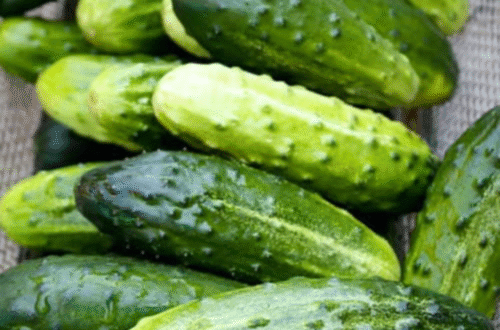
- Peppers, cucumbers, and zucchini: Store in the fridge at moderate humidity to keep them crisp.
Tip: Always inspect vegetables before storage; remove any damaged or bruised parts to prevent spoilage from spreading.
4. Dairy Products
Dairy products are highly perishable, so proper storage is key:
- Milk: Keep in the coldest part of the fridge, not the door, as temperature fluctuates there.
- Cheese: Wrap soft cheeses in wax paper or parchment, then place in a breathable container. Hard cheeses can be wrapped in wax paper and then loosely in foil.
- Yogurt: Store in the original container with a tight seal. Avoid leaving it at room temperature for long periods.
- Butter: Can be stored in the fridge or freezer for longer life.
5. Meat, Fish, and Poultry
Proper storage is crucial to prevent foodborne illnesses:
- Raw meat: Keep in a sealed container on the lowest fridge shelf to prevent drips onto other foods. Consume within recommended timeframes.
- Cooked meat: Refrigerate within two hours of cooking. Store in shallow containers to cool quickly.
- Freezing: Freeze raw or cooked meat in airtight bags. Label with date to ensure rotation (first in, first out).
Tip: Never refreeze meat that has fully thawed at room temperature.
6. Pantry Staples
Even non-perishable foods can benefit from proper storage:
- Grains (rice, oats, pasta): Store in airtight containers in a cool, dry place. Avoid moisture, which can cause mold.
- Flours: Whole grain flours can be stored in the fridge or freezer to prevent rancidity.
- Canned goods: Store in a cool, dark place. Rotate stock and check expiration dates regularly.
7. Leftovers
- Store leftovers in airtight containers to maintain moisture and prevent contamination.
- Label with dates so you know when to consume them.
- Consume refrigerated leftovers within 3–4 days. Freeze for longer storage.
8. Clever Tricks to Extend Freshness
- Paper towel trick: Line containers of leafy greens or berries with paper towels to absorb moisture.
- Vinegar wash: Briefly wash berries in a solution of one part vinegar to three parts water, then dry thoroughly. This kills mold spores.
- Ice water soak: For wilting vegetables like carrots or celery, soak in ice water for 30 minutes to revive crispness.
- Plastic wrap under lid: Cover cut fruits like melons or avocados tightly with plastic wrap to prevent air exposure.
- Separate produce by ripeness: Store unripe fruits away from ripe fruits to control ethylene gas exposure.
9. The Benefits of Proper Storage
- Save money: Less food wasted means fewer trips to the store.
- Maintain nutrients: Proper storage preserves vitamins, minerals, and antioxidants.
- Reduce environmental impact: Fewer discarded foods help reduce landfill waste and carbon emissions.
- Better flavor: Freshly stored produce and pantry items taste better and retain their original texture.
Conclusion
Storing food correctly is more than just an organizational task — it’s a critical step in preserving nutrition, saving money, and reducing waste. By understanding how different foods respond to temperature, humidity, and light, you can make your groceries last longer and taste better. With practical tips like separating ethylene-producing fruits, using paper towels to absorb moisture, and refrigerating sensitive items, you’ll be well on your way to a kitchen that keeps your food fresh and your meals satisfying.
Proper food storage is simple, inexpensive, and impactful. With a little care, every meal can be fresher, every dollar better spent, and every ingredient used to its fullest potential.