Bread is one of the most commonly enjoyed foods around the world. Whether it is a homemade artisan loaf, a freshly baked baguette, sandwich bread, sourdough, dinner rolls, or whole-grain bread, nothing compares to the aroma and taste of freshly baked bread. Unfortunately, bread has a relatively short shelf life. Within just a few days, it can become stale, dry, or even moldy if it is not stored correctly.
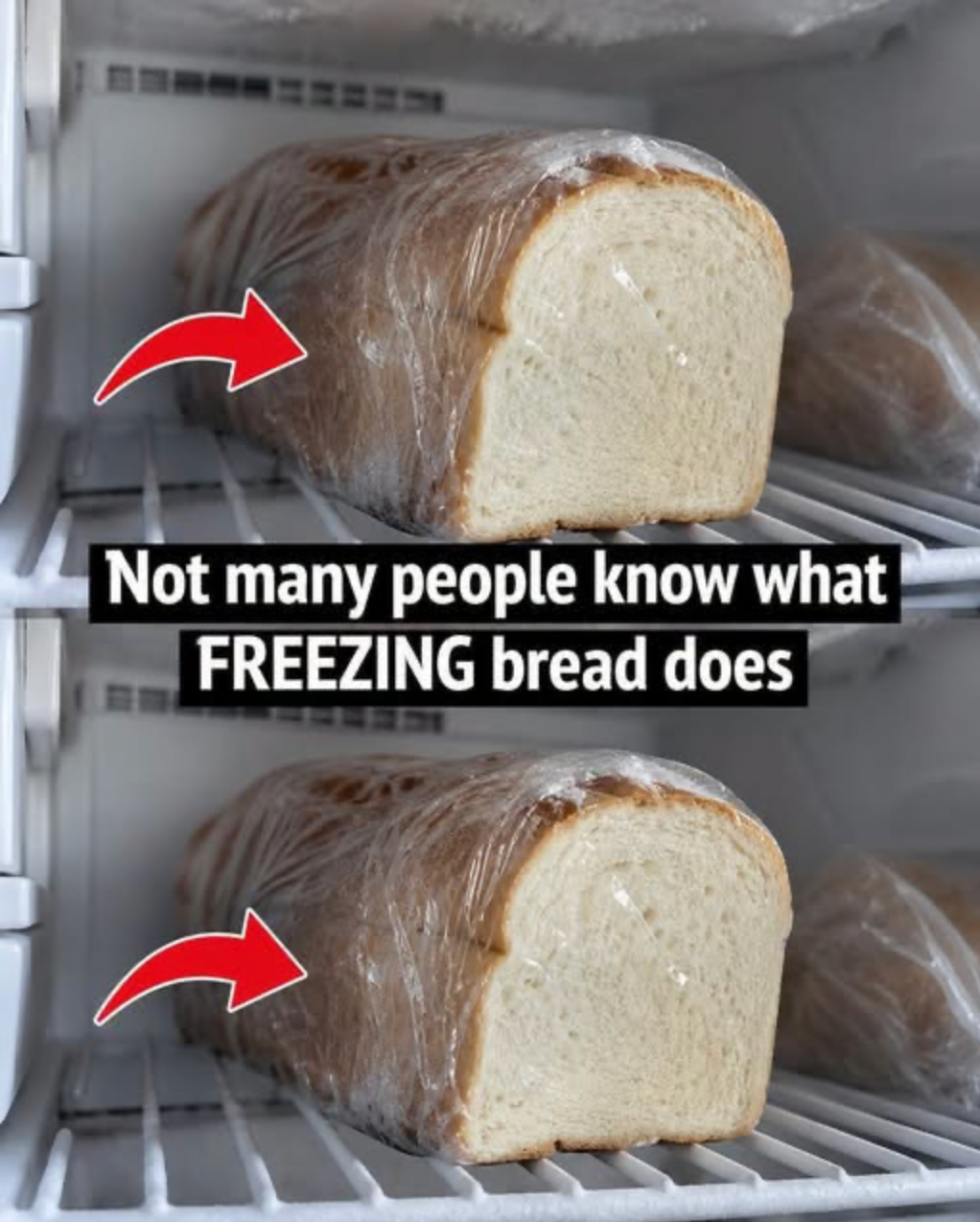
Freezing is one of the best ways to preserve bread for weeks or even months while maintaining much of its original taste and texture. However, simply placing a loaf into the freezer is not enough. Improper freezing and thawing can lead to freezer burn, excessive moisture loss, unpleasant odors, and a chewy or dry texture.
By following the proper techniques, you can enjoy bread that tastes remarkably fresh long after it has been frozen. This guide explains everything you need to know about freezing, storing, thawing, and reheating bread while preserving its quality for as long as possible.
Why Freeze Bread?
Many people buy bread in bulk or bake several loaves at once. Freezing prevents waste by extending the bread’s shelf life without relying on preservatives.
Properly frozen bread offers several benefits:
- Reduces food waste by preventing bread from becoming stale too quickly.
- Saves money by allowing you to buy larger quantities during sales.
- Makes meal preparation easier because fresh bread is always available.
- Preserves much of the bread’s original flavor and texture.
- Allows homemade bread to be enjoyed weeks after baking.
- Helps busy households keep a reliable supply of bread on hand.
When frozen correctly, bread can remain in excellent condition for several months.
Freeze Bread While It Is Still Fresh
One of the biggest mistakes people make is waiting until bread has already started to become stale before freezing it.
Freezing does not restore freshness—it simply preserves the condition the bread is in at the time it enters the freezer.
For the best results:
- Freeze bread on the same day you buy it or within 24 hours if it is freshly baked.
- Allow homemade bread to cool completely before wrapping it.
- Never freeze warm bread because trapped steam creates ice crystals that damage the texture.
The fresher the bread when frozen, the fresher it will taste after thawing.
Slice the Bread Before Freezing
If you usually eat only a few slices at a time, slice the loaf before freezing it.
This allows you to remove only the amount you need without thawing the entire loaf.
Benefits include:
- Less waste.
- Faster thawing.
- Greater convenience.
- Better preservation of the remaining bread.
Many commercial sandwich breads are already sliced, making them especially easy to freeze.
Wrap Bread Properly
Air is the biggest enemy of frozen bread.
Exposure to air causes freezer burn, dries out the crust, and gradually affects the flavor.
For the best protection:
- Wrap the bread tightly in plastic wrap, reusable food wrap, or aluminum foil.
- Place the wrapped bread inside a heavy-duty freezer bag.
- Press out as much air as possible before sealing.
- Double-wrap homemade artisan loaves for extra protection.
Removing excess air greatly extends freezer storage quality.
Label Every Package
It is surprisingly easy to forget how long bread has been in the freezer.
Use a permanent marker or freezer label to write:
- The type of bread.
- The freezing date.
- The recommended use-by period.
Rotating older bread to the front of the freezer helps reduce food waste.
Freeze Individual Portions
Instead of freezing an entire loaf, consider dividing bread into meal-sized portions.
Examples include:
- Two-slice sandwich portions.
- Individual rolls.
- Hamburger buns.
- Hot dog buns.
- Bagels.
- Dinner rolls.
This prevents unnecessary thawing and refreezing.
Keep the Freezer Temperature Stable
Bread stays fresher when stored at a consistent freezer temperature.
The ideal freezer temperature is -18°C (0°F) or colder.
Frequent temperature fluctuations can partially thaw frozen bread, allowing moisture to migrate and form large ice crystals that damage the crumb.
Avoid leaving the freezer door open longer than necessary.
Prevent Freezer Burn
Freezer burn occurs when moisture escapes from the bread and evaporates into the freezer air.
Signs include:
- Dry patches.
- White or gray discoloration.
- Tough crust.
- Loss of flavor.
Although freezer-burned bread is generally safe to eat, its quality is greatly reduced.
Proper wrapping is the best defense.
Store Bread Away from Strong-Smelling Foods
Bread easily absorbs surrounding odors.
Avoid storing it next to foods with strong aromas, such as:
- Fish.
- Garlic.
- Onions.
- Strong cheeses.
- Certain spices.
Keeping bread in tightly sealed freezer bags helps prevent unwanted flavors.
Best Freezing Times
Although bread remains safe when continuously frozen, its quality gradually declines over time.
General recommendations:
- Sandwich bread: up to 3 months.
- Artisan bread: about 2 to 3 months.
- Dinner rolls: up to 3 months.
- Bagels: 3 to 4 months.
- Homemade bread: around 2 to 3 months.
For the best flavor and texture, consume frozen bread within these time frames.
The Best Way to Thaw Bread
Proper thawing helps preserve moisture and texture.
For individual slices:
Simply remove the desired number of slices and allow them to thaw at room temperature for approximately 15 to 30 minutes.
Alternatively, toast frozen slices directly without thawing.
For whole loaves:
Leave the loaf wrapped while thawing at room temperature for several hours.
Keeping the wrapping on during thawing helps prevent moisture from escaping.
Refresh Bread in the Oven
Even properly thawed bread can benefit from gentle reheating.
Preheat the oven to approximately 175°C (350°F).
Bake the thawed loaf for about 8 to 12 minutes.
This helps restore a crisp crust while warming the interior, making the bread taste remarkably close to freshly baked.
Avoid Refreezing
Repeated freezing and thawing gradually damages bread.
Each freeze-thaw cycle allows moisture to escape, leading to dryness and a less appealing texture.
Only thaw the amount you plan to eat.
Common Mistakes to Avoid
Many people unintentionally reduce the quality of frozen bread by making simple storage mistakes.
Avoid these common errors:
- Freezing bread after it has already gone stale.
- Wrapping bread loosely.
- Freezing warm bread.
- Forgetting to label packages.
- Refreezing partially thawed bread.
- Leaving bread exposed to freezer air.
- Storing bread beside strong-smelling foods.
Small improvements in storage habits can significantly extend freshness.
Can Different Types of Bread Be Frozen?
Most breads freeze very well, including:
- White bread.
- Whole wheat bread.
- Multigrain bread.
- Rye bread.
- Sourdough.
- Brioche.
- French bread.
- Ciabatta.
- Bagels.
- Dinner rolls.
- Hamburger buns.
- Homemade loaves.
Bread containing delicate toppings or very crisp crusts may experience slight texture changes after freezing, but the overall quality generally remains excellent when properly stored.
Frequently Asked Questions
Does freezing ruin bread?
No. Freezing is one of the best preservation methods available. When wrapped properly and thawed correctly, most bread retains much of its original taste and texture.
Can I toast frozen bread directly?
Yes. Frozen slices can usually be placed directly into a toaster without thawing first.
How do I know if frozen bread has gone bad?
Discard bread if it develops mold after thawing, has an unusual odor, or has suffered severe freezer burn that significantly affects its quality.
Is homemade bread suitable for freezing?
Absolutely. Homemade bread freezes exceptionally well because it usually contains fewer preservatives and benefits greatly from proper freezing.

Welcome to my kitchen!
I’m a passionate home cook and recipe creator who loves turning simple ingredients into delicious, comforting meals that everyone can enjoy. Through this website, I share carefully prepared recipes, practical cooking tips, and easy-to-understand food education to help you feel more confident in the kitchen.
My goal is to make cooking simple, enjoyable, and accessible. Whether you are looking for a quick family dinner, a delicious dessert, healthy meal ideas, or traditional recipes with a modern touch, you’ll find inspiration here.
More Than Just Recipes
I believe that cooking is also a way to learn. That’s why this website is not only about recipes. I also create educational articles about ingredients, cooking techniques, kitchen tips, food preparation, and the stories behind different dishes.
Each article is designed to give you useful knowledge that you can apply in your own kitchen. From understanding how ingredients work together to learning better cooking methods, my aim is to help you become a more confident and creative cook.
My Philosophy
Good food doesn’t always require complicated ingredients or professional equipment. With a little knowledge, patience, and creativity, simple ingredients can become something truly special.
I believe in sharing recipes that are practical, clearly explained, and enjoyable to make. I also love exploring new flavors while appreciating traditional cooking and the recipes passed down through generations.
Thank you for visiting my kitchen and being part of this food-loving community. I hope my recipes and articles inspire you to cook, learn, experiment, and most importantly, enjoy every bite!
Happy cooking!