How to Cook Potatoes for Maximum Flavor
A Complete Step-by-Step Guide to Texture, Taste, and Technique
Potatoes are one of the most common foods in the world, yet they are also one of the most frequently ruined. When cooked carelessly, potatoes become bland, watery, gluey, or dry. When cooked correctly, they become deeply flavorful, aromatic, creamy inside, crisp outside, and capable of carrying seasoning better than almost any other ingredient.
This guide explains how to cook potatoes for maximum flavor, not minimum effort. You will learn why each step matters, when to add salt, how heat changes starch, and which method produces which result.
1. UNDERSTANDING POTATOES BEFORE COOKING
A. Potato Structure (Why Texture Changes)
Potatoes are mostly:
Water (about 80%)
Starch
Very little protein or fat
Flavor does not come naturally from potatoes alone. Flavor comes from:
Proper water control
Correct starch handling
Fat absorption
Timing of seasoning
If you ignore these factors, potatoes taste flat.
B. Choosing the Right Potato (This Matters More Than People Think)
1. Starchy Potatoes (Best for Flavor Absorption)
Examples:
Russet
Idaho
Characteristics:
Dry
Fluffy when cooked
Absorb butter, oil, and seasoning very well
Best uses:
Mashed potatoes
Roasted potatoes
Baked potatoes
Fries
2. Waxy Potatoes (Best for Shape Retention)
Examples:
Red potatoes
New potatoes
Fingerlings
Characteristics:
Moist
Firm
Less starch
Best uses:
Boiled potatoes
Potato salads
Stews
3. All-Purpose Potatoes
Examples:
Yukon Gold
Characteristics:
Balanced starch and moisture
Naturally buttery flavor
Best uses:
Almost everything
For maximum flavor, Yukon Gold is often the best choice.
2. THE MOST IMPORTANT RULE: SALT CORRECTLY
Salt Is Not Optional
Potatoes without salt taste empty.
When to Salt:
In the water, not only after cooking
Why:
Potatoes absorb salt during cooking
Salting later only seasons the surface
Correct Ratio for Boiling:
1 tablespoon salt per 1 liter of water
The water should taste like light seawater.
3. METHOD 1: BOILING POTATOES FOR MAXIMUM FLAVOR (NOT BLAND)
Boiled potatoes are often boring because people cook them wrong.
Step-by-Step Boiling Method
Step 1: Start with Cold Water
Place potatoes in a pot and cover with cold water.
Why:
Ensures even cooking
Prevents mushy outside and raw inside
Never add potatoes to boiling water.
Step 2: Salt the Water Generously
Add salt before heating.
This allows salt to penetrate deeply.
Step 3: Gentle Boil, Not Aggressive
Bring to a boil, then reduce to a gentle simmer.
Aggressive boiling:
Breaks potatoes
Washes away flavor
Step 4: Cook Until Just Tender
Test with a knife:
Should slide in easily
No resistance
No falling apart
Overcooking causes:
Water absorption
Flavor loss
Step 5: Drain and Steam-Dry
After draining, return potatoes to the hot pot for 1–2 minutes.
Why:
Excess moisture evaporates
Concentrates flavor
This step is critical and often skipped.
Step 6: Season Immediately
Add:
Butter or olive oil
Salt (if needed)
Pepper
Herbs
Potatoes absorb fat best while hot.
4. METHOD 2: ROASTING POTATOES FOR DEEP FLAVOR
Roasting creates caramelization, which equals flavor.
Step-by-Step Roasting Method
Step 1: Cut Potatoes Correctly
Uniform size = even cooking.
Larger pieces:
Creamy inside
Crisp outside
Small cubes dry out faster.
Step 2: Parboil First (Secret Technique)
Boil potatoes in salted water for 7–10 minutes until edges soften.
Why this works:
Creates rough edges
Starch gelatinizes
Crispier crust later
Drain and steam-dry.
Step 3: Rough Them Up
Shake potatoes in the pot to create surface cracks.
These cracks become crunchy flavor pockets.
Step 4: Use Enough Fat
Use:
Olive oil
Duck fat
Beef fat
Fat carries flavor and aids browning.
Too little fat = dry potatoes.
Step 5: High Heat Roasting
Oven temperature:
220°C (425°F)
Lower heat = pale, bland potatoes.
Step 6: Do Not Crowd the Pan
Crowding causes steaming instead of roasting.
Use two trays if necessary.
Step 7: Season After Roasting
Salt again after roasting for surface flavor.
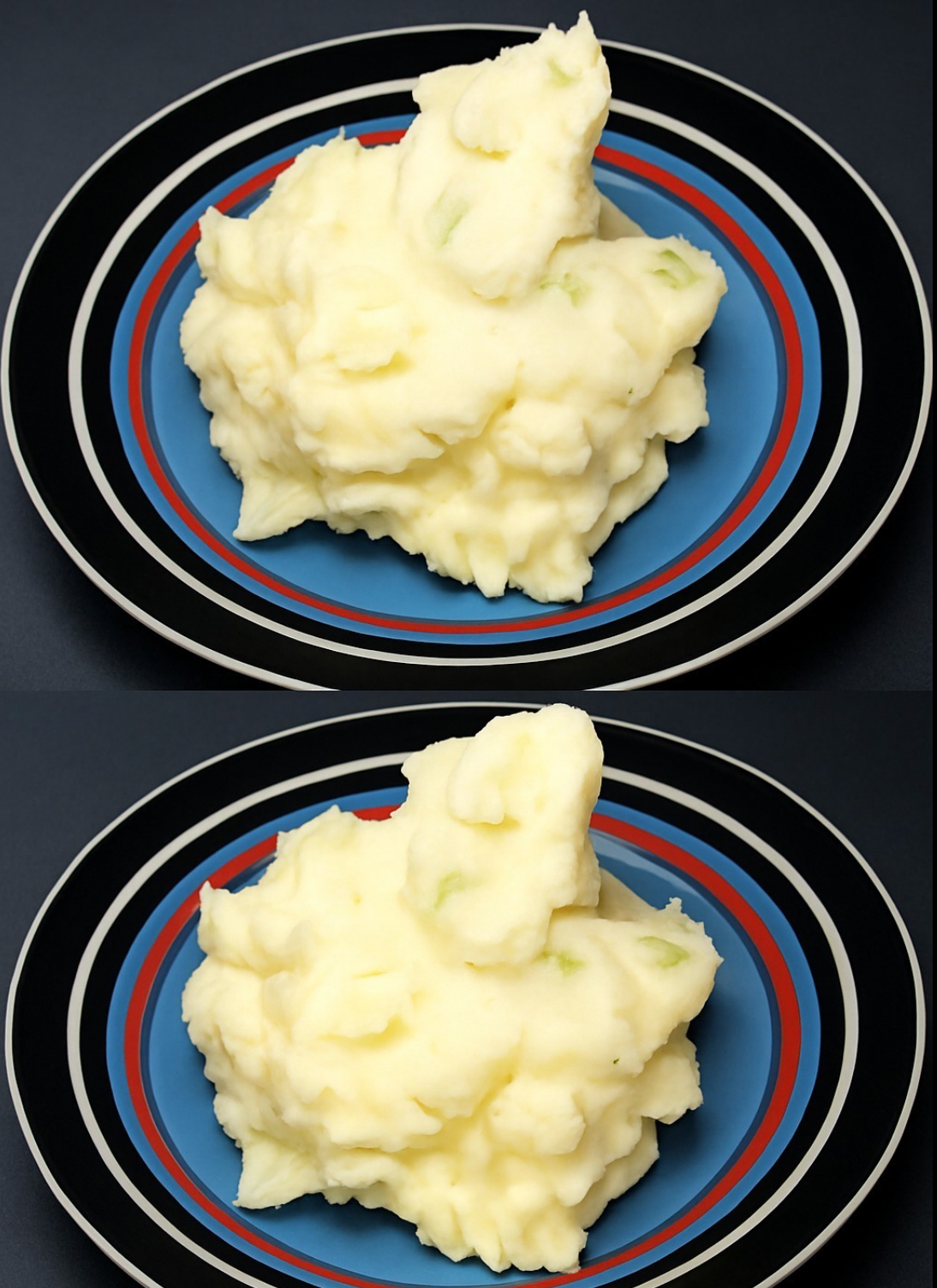
5. METHOD 3: MASHED POTATOES WITH MAXIMUM TASTE
Mashed potatoes fail when they are:
Gluey
Watery
Flat tasting
Step-by-Step Mashed Potato Method
Step 1: Choose Starchy Potatoes
Russet or Yukon Gold only.
Step 2: Boil Properly (Salted Water)
Same rules as boiling.
Step 3: Dry the Potatoes
Drain and return to heat briefly.
This prevents watery mash.
Step 4: Mash While Hot
Cold potatoes turn gluey.
Never use a blender or food processor.
Step 5: Heat Dairy Separately
Warm butter and milk or cream before adding.
Cold dairy cools potatoes and ruins texture.
Step 6: Add Fat Before Liquid
Butter first, then milk or cream.
Fat coats starch and improves mouthfeel.
Step 7: Season Gradually
Salt in stages.
Taste repeatedly.
6. METHOD 4: PAN-FRIED POTATOES FOR INTENSE FLAVOR
Step-by-Step Frying Method
Boil potatoes until just tender
Let them cool completely
Slice or cube
Fry in oil or butter over medium-high heat
Do not stir too early
Let crust form before turning
Cooling helps:
Remove surface moisture
Improve browning
7. COMMON MISTAKES THAT KILL FLAVOR
Not salting the water
Overcooking
Using too little fat
Crowding pans
Seasoning only at the end
Using wrong potato type
Skipping steam-drying
8. FLAVOR BOOSTERS (ADVANCED TECHNIQUES)
Garlic infused oil
Fresh herbs added at the end
Vinegar splash for brightness
Smoked paprika or cumin
Brown butter
Chicken stock instead of water
9. WHY POTATOES TASTE BETTER THE NEXT DAY
Cooked potatoes develop more flavor after cooling because:
Starch retrogradation improves texture
Seasoning redistributes
Moisture stabilizes
This is why fried leftover potatoes often taste better.
10. FINAL PRINCIPLE
Potatoes are not bland by nature.
They are bland by neglect.
When treated with:
Salt at the right time
Enough fat
Correct heat
Proper drying
Potatoes become one of the most flavorful foods you can cook.