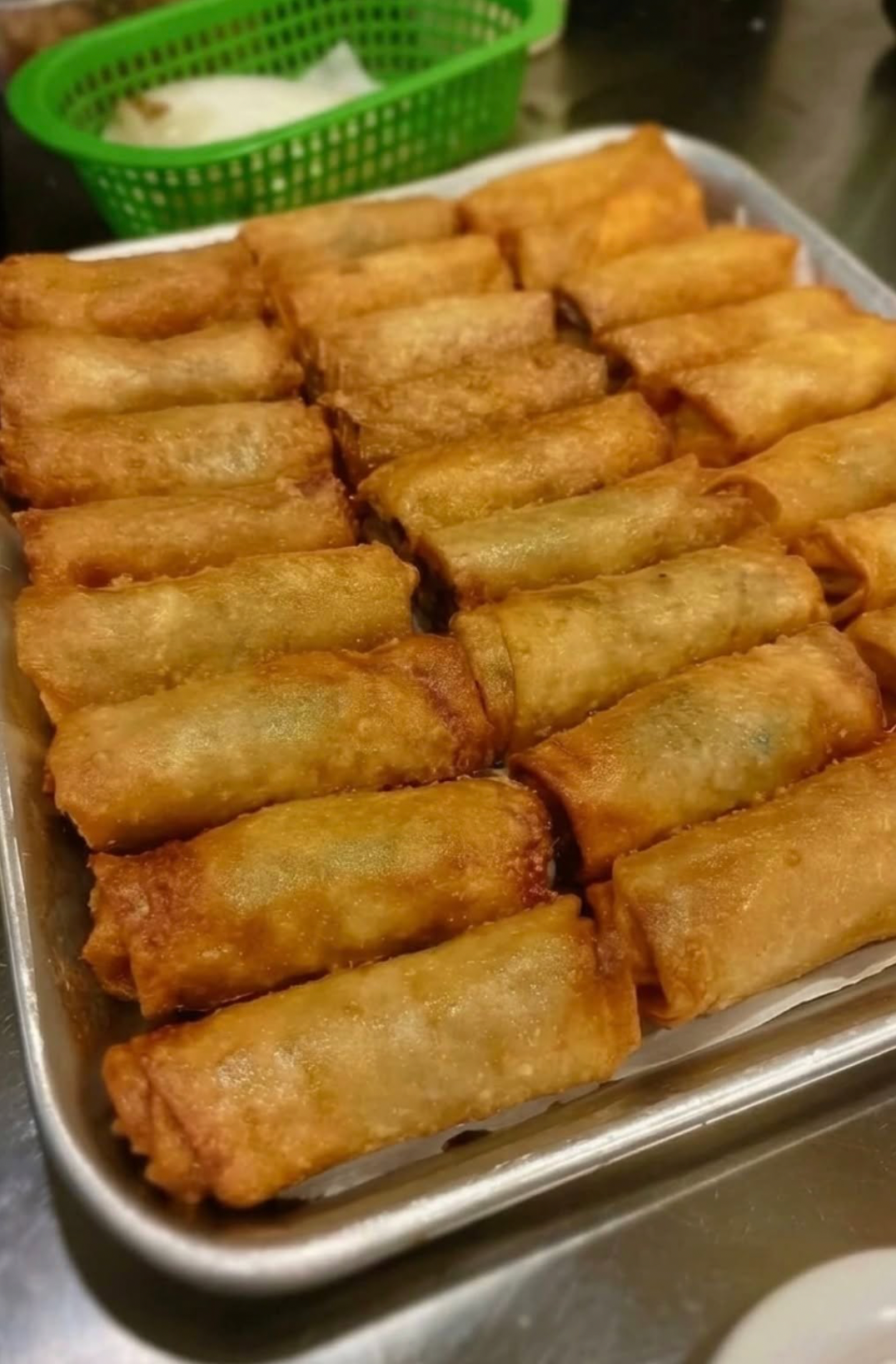
There’s something deeply comforting about foods that cross cultures but still feel familiar.
On the surface, Chinese egg rolls and old Midwestern comfort dishes might seem completely unrelated. But if you look closer, there’s a quiet connection between them.
It all comes down to one simple ingredient:
Cabbage.
A humble, affordable, and incredibly versatile vegetable that has fed families across the world for generations.
From Depression-era casseroles in rural kitchens to sizzling takeout egg rolls wrapped in paper cartons, cabbage has always been the quiet foundation of comfort food.
The Secret Behind Egg Rolls: Simplicity
Despite how special they look when they arrive at a restaurant table, egg rolls are built on very simple ideas:
- shredded vegetables
- savory seasoning
- a crisp outer shell
- heat that transforms everything
At their core, they are not complicated.
They are resourceful food—designed to be filling, flavorful, and satisfying using affordable ingredients.
That’s why they connect so naturally with other “hard-times” or traditional comfort foods from around the world.
Why Oven-Baked Egg Rolls Change Everything
Traditional egg rolls are deep-fried.
While delicious, frying comes with:
- hot oil
- splattering
- strong smell
- mess and cleanup
- inconsistency in texture
Oven-baking transforms the experience completely.
Instead of frying, we use:
- high heat
- a light coating of oil
- airflow circulation
The result is:
- crisp exterior
- golden color
- lighter texture
- less grease
- easier cooking process
It’s the same comfort food—just simplified for modern kitchens.
The Heart of the Filling: Cabbage
Cabbage is what makes egg rolls so satisfying.
When cooked, it becomes:
- slightly sweet
- tender but not mushy
- rich in texture
- excellent at absorbing flavor
In this recipe, cabbage acts like a sponge, soaking up:
- soy sauce
- garlic
- ginger
- sesame oil
It turns a simple vegetable mix into something deeply savory and aromatic.
Key Ingredients in Homemade Egg Rolls
While variations exist, a classic homemade filling usually includes:
1. Cabbage
The main structure and volume of the filling.
2. Carrots
Adds natural sweetness and color contrast.
3. Aromatics
Typically:
- garlic
- ginger
- onion
These build the signature “takeout” flavor.
4. Protein (optional)
Such as:
- ground chicken
- pork
- shrimp
Or kept vegetarian for a lighter version.
5. Seasonings
Commonly:
- soy sauce
- sesame oil
- black pepper
- a pinch of salt
This is where the flavor becomes unmistakably “restaurant-style.”
The Wrapper: What Makes It Special
Egg roll wrappers are thin sheets of dough that:
- crisp beautifully in heat
- hold fillings tightly
- bubble slightly when baked or fried
In the oven, they develop:
- golden edges
- light blistering
- a satisfying crunch
That “snap” when you bite into one is part of what makes them so addictive.
How Oven-Baked Egg Rolls Are Made
Step 1: Prepare the Filling
Vegetables are finely shredded and lightly cooked in a pan.
As they cook:
- cabbage softens
- moisture reduces
- flavors concentrate
- aroma develops
The kitchen begins to smell warm and savory—ginger, garlic, and sesame blending together.
Step 2: Cool the Filling
This is important.
Cooling prevents:
- soggy wrappers
- tearing during assembly
- excess steam inside rolls
The filling should be warm, not hot.
Step 3: Assemble the Rolls
A small amount of filling is placed in each wrapper.
Then they are:
- folded tightly
- sealed with a dab of water or flour paste
- shaped into neat rolls
This step is often the most fun—especially for families.
Step 4: Light Oil Coating
Instead of deep frying, the rolls are brushed or sprayed lightly with oil.
This helps:
- achieve crispiness
- promote browning
- create blistered texture
Step 5: Bake at High Heat
The oven does the rest.
As they bake:
- wrappers turn golden
- edges crisp up
- filling steams inside
- aroma intensifies
You get the satisfaction of fried egg rolls without the heaviness.
The Aroma That Fills the Kitchen
One of the most memorable parts of this recipe is the smell.
As they bake, the kitchen fills with:
- toasted sesame notes
- warm ginger spice
- savory soy undertones
- roasted cabbage sweetness
It feels like a blend of takeout restaurant and home cooking at the same time.
Why This Recipe Feels Like Family Cooking
Egg rolls are not just food—they’re an activity.
Making them becomes:
- folding together at the table
- chatting while assembling
- sharing tasks between family members
- a shared cooking experience
It turns dinner into something interactive rather than individual.
Texture and Flavor Experience
When finished, each bite delivers:
Crunch
From the baked wrapper
Savory filling
Soft cabbage, garlic, ginger, and seasoning
Slight sweetness
From caramelized vegetables
Aroma
Sesame oil and aromatics lingering after every bite
It’s balanced, satisfying, and addictive.
Serving Ideas
Homemade egg rolls pair beautifully with:
- sweet chili sauce
- soy dipping sauce
- garlic vinegar dip
- fried rice
- noodle dishes
- simple soups
They also work as appetizers, snacks, or full meals.
Why This Recipe Feels So Satisfying
This dish combines multiple forms of comfort:
1. Nostalgia
Takeout memories and familiar flavors.
2. Simplicity
Everyday ingredients, easy process.
3. Crunch factor
That satisfying bite is universally loved.
4. Homemade warmth
Freshly baked food always feels more personal.
Welcome to my kitchen!
I’m a passionate home cook and recipe creator who loves turning simple ingredients into delicious, comforting meals that everyone can enjoy. Through this website, I share carefully prepared recipes, practical cooking tips, and easy-to-understand food education to help you feel more confident in the kitchen.
My goal is to make cooking simple, enjoyable, and accessible. Whether you are looking for a quick family dinner, a delicious dessert, healthy meal ideas, or traditional recipes with a modern touch, you’ll find inspiration here.
More Than Just Recipes
I believe that cooking is also a way to learn. That’s why this website is not only about recipes. I also create educational articles about ingredients, cooking techniques, kitchen tips, food preparation, and the stories behind different dishes.
Each article is designed to give you useful knowledge that you can apply in your own kitchen. From understanding how ingredients work together to learning better cooking methods, my aim is to help you become a more confident and creative cook.
My Philosophy
Good food doesn’t always require complicated ingredients or professional equipment. With a little knowledge, patience, and creativity, simple ingredients can become something truly special.
I believe in sharing recipes that are practical, clearly explained, and enjoyable to make. I also love exploring new flavors while appreciating traditional cooking and the recipes passed down through generations.
Thank you for visiting my kitchen and being part of this food-loving community. I hope my recipes and articles inspire you to cook, learn, experiment, and most importantly, enjoy every bite!
Happy cooking!