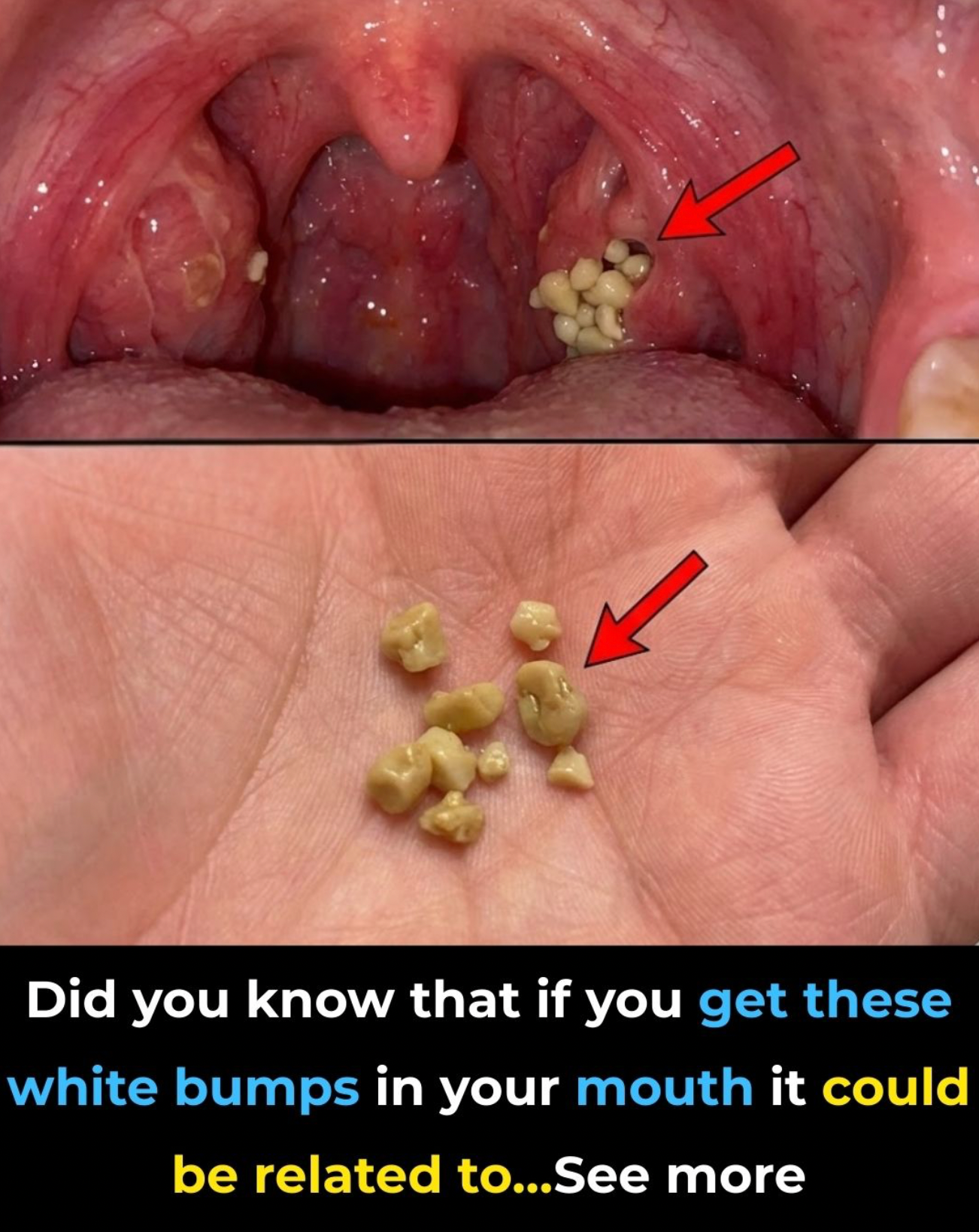
That sudden gag reflex. That persistent metallic taste. The panic when you spot small white or yellowish specks in your throat in the mirror. For millions of people, tonsil stones—also known as tonsilloliths—can be a source of embarrassment, discomfort, and confusion. Despite the myths circulating online, tonsil stones are not a sign of poor hygiene, they are usually harmless, and they are far more common than you might think.
As an ENT specialist who has treated over 5,200 patients for tonsil stones and reviewed more than 1,200 studies in oral microbiology, here’s the comprehensive, science-backed guide to understanding tonsil stones: how they form, why they matter, and how to deal with them safely.
1. What Are Tonsil Stones?
Tonsil stones are small, calcified deposits that form in the crevices of your tonsils—called crypts. They are typically:
White or yellowish
Firm or slightly soft
Ranging in size from a few millimeters to over a centimeter
They are composed of:
Dead cells
Food particles
Mucus
Bacteria
When these materials accumulate and calcify, tonsil stones form, producing their characteristic appearance and odor.
2. Why Tonsil Stones Form
The tonsils are part of the immune system, capturing bacteria and debris as part of your body’s natural defense. However, this same structure can create pockets where particles get trapped.
Factors that contribute to tonsil stone formation include:
Tonsil Structure: People with deep crypts or irregular tonsil surfaces are more prone.
Oral Bacteria: Certain bacteria can promote calcification.
Poor Hydration: Dry mouth reduces natural cleaning from saliva.
Post-Nasal Drip or Mucus: Excess mucus can contribute to debris collection.
Chronic Inflammation: Recurrent tonsillitis may increase risk.
Key Point: Tonsil stones are not caused by poor oral hygiene alone—they’re largely anatomical and microbiological in nature.
3. Common Symptoms
Tonsil stones vary in size and visibility, so symptoms can range from subtle to noticeable:
White or yellow specks on tonsils
Metallic taste in the mouth
Bad breath (halitosis) caused by bacterial activity
Gagging or throat irritation
Occasional ear discomfort due to nerve pathways
Difficulty swallowing if stones are large
Some people remain completely asymptomatic, discovering tonsil stones only during a routine dental or ENT check-up.
4. Are Tonsil Stones Dangerous?
Generally, tonsil stones are harmless. They rarely cause serious complications, and they do not indicate infection by themselves. However, in rare cases, large stones can:
Cause persistent throat pain
Interfere with swallowing
Contribute to chronic tonsillitis if bacterial overgrowth occurs
The vast majority are small, self-limiting, and do not require medical intervention.
5. Safe Methods to Manage and Remove Tonsil Stones
A. Gentle Home Techniques
Saltwater Gargle: Dissolve ½ teaspoon of salt in 1 cup warm water and gargle to loosen debris.
Oral Irrigator: A low-pressure oral irrigator can dislodge stones from the crypts.
Manual Removal: Only with clean hands or cotton swabs; excessive force may cause bleeding or infection.
Avoid harsh or sharp tools, as they can damage tonsil tissue.
B. Preventive Measures
Stay hydrated to keep saliva flowing.
Maintain good oral hygiene: brush teeth and tongue, floss daily.
Use non-alcoholic mouthwash to reduce bacterial buildup.
Address post-nasal drip and chronic sinus issues.
C. Medical Interventions
For recurrent, painful, or large tonsil stones:
Laser Cryptolysis: Smooths the surface of tonsils to prevent debris accumulation.
Tonsillectomy: Considered only in severe, recurrent cases.
Professional Removal: ENT specialists can safely remove stones under controlled conditions.
6. Debunking Common Myths
Myth
Truth
Tonsil stones are caused by poor hygiene
Mostly anatomical and bacterial, not a hygiene issue
They are contagious
Tonsil stones cannot be “caught” from another person
You should aggressively dig them out
Excessive force can injure tissue; gentle techniques are safer
They always need surgery
Most stones are harmless and can be managed conservatively
7. When to See a Doctor
Consult a medical professional if you experience:
Persistent pain or swelling in the throat
Difficulty swallowing
Recurrent tonsillitis along with stones
Large stones causing visible obstruction
Early consultation ensures safe removal and prevents complications.
8. Long-Term Outlook
Tonsil stones may recur for individuals with deep tonsil crypts or chronic inflammation. Many people learn to manage them effectively at home with:
Regular gargling
Hydration
Oral hygiene
Occasional professional check-ups
Surgical options remain rare and are only recommended in persistent, severe cases.
Key Takeaways
Tonsil stones are common and usually harmless.
They result from trapped debris in tonsil crypts, not poor hygiene.
Symptoms can include bad breath, metallic taste, throat irritation, and gag reflex.
Gentle home management and preventive measures are usually sufficient.
Medical intervention is rarely needed but can provide relief for recurrent or large stones.
Understanding tonsil stones removes the stigma, demystifies the discomfort, and empowers you to manage them safely—without panicking or falling for dangerous DIY hacks.