If you’ve ever stood in the produce section of a grocery store, looking at the green bunches of slender, leafy vegetables with no clear idea of which one to grab—green onions, scallions, spring onions, or chives—you’re not alone! These alliums can be confusing, especially since they all seem so similar at first glance. But while they might look alike in some ways, each member of this family has unique flavors, textures, and culinary uses.
In this guide, we’ll break down the differences between green onions, scallions, spring onions, and chives, so you can confidently choose the right one for your next meal.
The Allium Family: An Introduction
Alliums are a family of vegetables that includes many of our most common kitchen staples: onions, garlic, leeks, shallots, scallions, and chives. These vegetables all share a similar flavor profile—mild, slightly pungent—but they vary in their shape, texture, and intensity of flavor.
Green onions, scallions, spring onions, and chives are all different members of the allium family, and they all bring their unique qualities to the table. Let’s explore each one in more detail:
1. Green Onions (Allium fistulosum)
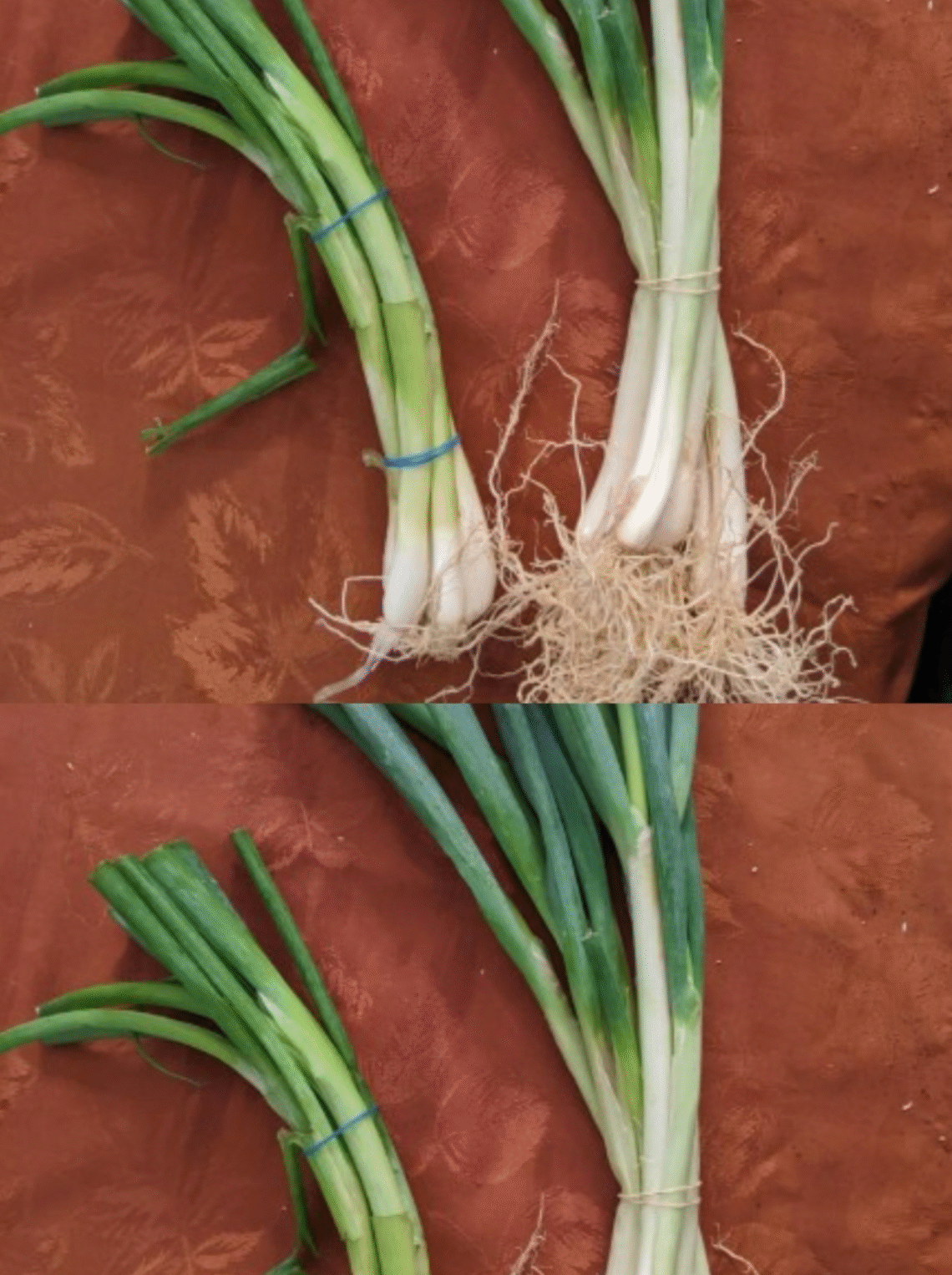
Green onions, often referred to as scallions in many parts of the world, are one of the most common alliums in kitchens today. They’re known for their long, green stalks and small white bulb at the base.
What They Look Like:
- Green stalks with a white bulb at the base
- The white part is typically more mild in flavor, while the green tops are sharper and more herbaceous.
Flavor:
- Mild, crisp, and slightly sweet in flavor
- The white bulb has a milder onion flavor, while the green stalks have a grassy, fresh taste
Culinary Uses:
- Raw: Sliced and used in salads, garnishes, or toppings for soups.
- Cooked: Incorporated into stir-fries, soups, and grilled dishes.
- Pickled: Green onions can also be pickled for a more intense flavor.
Substitution Tips:
- Green onions are often interchangeable with scallions (they’re the same thing) in most recipes, but if you need to substitute, you can try using shallots or chives for a similar onion flavor.
Interesting Fact:
- Green onions have zero waste because both the white and green parts are edible. They can even be regrown in water by placing the roots in a jar of water for a few weeks!
2. Scallions (Allium fistulosum)
Although scallions are often used interchangeably with green onions, they have some key distinctions, especially in culinary circles. Scallions are essentially the same plant species as green onions, but the term “scallion” is more commonly used in certain regions, like the U.S. and Europe.
What They Look Like:
- Similar to green onions, scallions have long, thin stalks and a small white bulb.
- The white part is firm and crisp, while the green tops are tender and flavorful.
Flavor:
- Scallions have a milder onion flavor than regular onions, with a slightly peppery kick when raw.
- The white part tends to be more mild, while the green stalks offer a slightly more intense, herbal taste.
Culinary Uses:
- Fresh: Perfect for sprinkling on top of soups, salads, or baked potatoes.
- Sautéed: Scallions are great in stir-fries and can be caramelized for a sweeter, milder taste.
- In Salsas: The fresh flavor makes them a great addition to fresh salsa or guacamole.
Interesting Fact:
- While scallions and green onions are technically the same, scallions are sometimes considered a more refinedversion of green onions, with a tighter, more uniform shape and often sweeter taste.
3. Spring Onions (Allium cepa)
Spring onions are often confused with green onions, but they are a different type of allium altogether. Spring onions are a young version of bulb onions, meaning they develop a round, larger bulb at the base as they mature. This makes them more pungent and stronger in flavor than green onions or scallions.
What They Look Like:
- Large white bulb at the base, usually round and firm, with green tops that are long and slender.
- The bulb is larger and more pronounced compared to green onions.
- Spring onions have a distinct, more robust bulb with a pronounced onion flavor.
Flavor:
- Sweet and slightly peppery with a stronger, onion-like taste than green onions or scallions.
- The white bulb is crisp and has a more sharp, intense flavor, while the green tops are milder and have a grassy taste.
Culinary Uses:
- Raw: Sliced and used in salads or as a topping for baked potatoes.
- Grilled or Roasted: They caramelize well and are perfect for grilling or roasting, where their flavor deepens and becomes sweeter.
- Pickled: Spring onions can also be pickled, adding a tangy bite to sandwiches, tacos, or salads.
Substitution Tips:
- You can substitute spring onions with red onions or shallots for a similar pungency but with more complexity.
- You can also use green onions if you prefer a milder taste.
Interesting Fact:
- Spring onions are often harvested early before they fully mature into bulb onions, which is why they still have a long green stem and a tender bulb. They’re often more available in spring and early summer, hence the name.
4. Chives (Allium schoenoprasum)
Chives are wildly different from the previous alliums in terms of both flavor and appearance. Unlike the larger bulbs of spring onions, chives have thin, delicate green stalks that resemble grass, and they don’t have a bulb at all.
What They Look Like:
- Thin, long, grass-like stems (usually 6–12 inches long)
- No bulb at the base, just the green stalks that are hollow inside
- The leaves are a soft green color, and the plant has a delicate appearance.
Flavor:
- Mild onion flavor with fresh, herbal undertones.
- Less pungent than onions or scallions and closer to a light garlic flavor.
- Great for adding a subtle onion kick without overwhelming other ingredients.
Culinary Uses:
- Raw: Chives are often used raw, chopped finely and sprinkled on salads, potatoes, eggs, soups, or garnishes for dishes.
- As a garnish: Perfect for garnishing creamy dishes, like dips, potatoes, or creamy pastas.
- In butter: Chive butter is a delicious spread for bread or to add to vegetables and meats.
Interesting Fact:
- Chives are often used as a herb rather than a vegetable, and they are one of the few alliums that you can grow in a small container or even indoors. They’re very easy to grow at home, making them a popular choice for home gardeners.
Summary Table: Key Differences
| Feature | Green Onions | Scallions | Spring Onions | Chives |
|---|---|---|---|---|
| Appearance | Long, thin stalks; small white bulb | Similar to green onions; small white bulb | Larger, rounder bulb with long green tops | Thin, grass-like stems; no bulb |
| Flavor | Mild, slightly sweet, crisp | Milder, slightly peppery, herbal | Stronger onion flavor, sweet and sharp | Mild, fresh, herbal, and onion-like |
| Texture | Crisp and tender | Crisp and tender | Firm, crisp bulb, tender green tops | Soft and tender |
| Use | Raw, cooked, pickled | Raw, sautéed, in salsas | Raw, grilled, roasted, pickled | Raw, garnishes, butter, dips |
| Best for | Salads, stir-fries, garnishes | Stir-fries, toppings, salsas | Grilling, roasting, pickling | Light onion flavor, garnishing dishes |
Conclusion
Though they may seem similar at first glance, green onions, scallions, spring onions, and chives each bring their unique flavor, texture, and culinary use to the table. Understanding their differences will help you choose the right one for your recipe and give you more confidence when shopping for fresh alliums.Green Onions vs. Scallions vs. Spring Onions vs. Chives: Your Foolproof Guide to the Leafy Allium Family