A Deep, Detailed Guide to a No-Bake Classic That Balances Simplicity, Texture, and Pure Chocolate Comfort
There are desserts that impress with complexity—and then there are desserts that win hearts through simplicity. Homemade crunch bars belong firmly in the second category. They require no oven, no specialized tools, and no advanced technique. Yet when done right, they deliver something deeply satisfying: a perfect balance of crispness and chew, rich chocolate depth, and a nostalgic, almost comforting familiarity.
These bars reflect a style of cooking born from necessity and creativity. In times when ingredients were limited and convenience mattered, home cooks learned how to transform basic pantry staples into something memorable. Over time, that practicality evolved into tradition. Today, crunch bars remain popular not because they are trendy, but because they are reliable, adaptable, and genuinely enjoyable.
This guide explores everything about them in detail—from ingredients and technique to texture, science, variations, and storage—so you can fully understand how to make them successfully and consistently.
The Identity of Crunch Bars
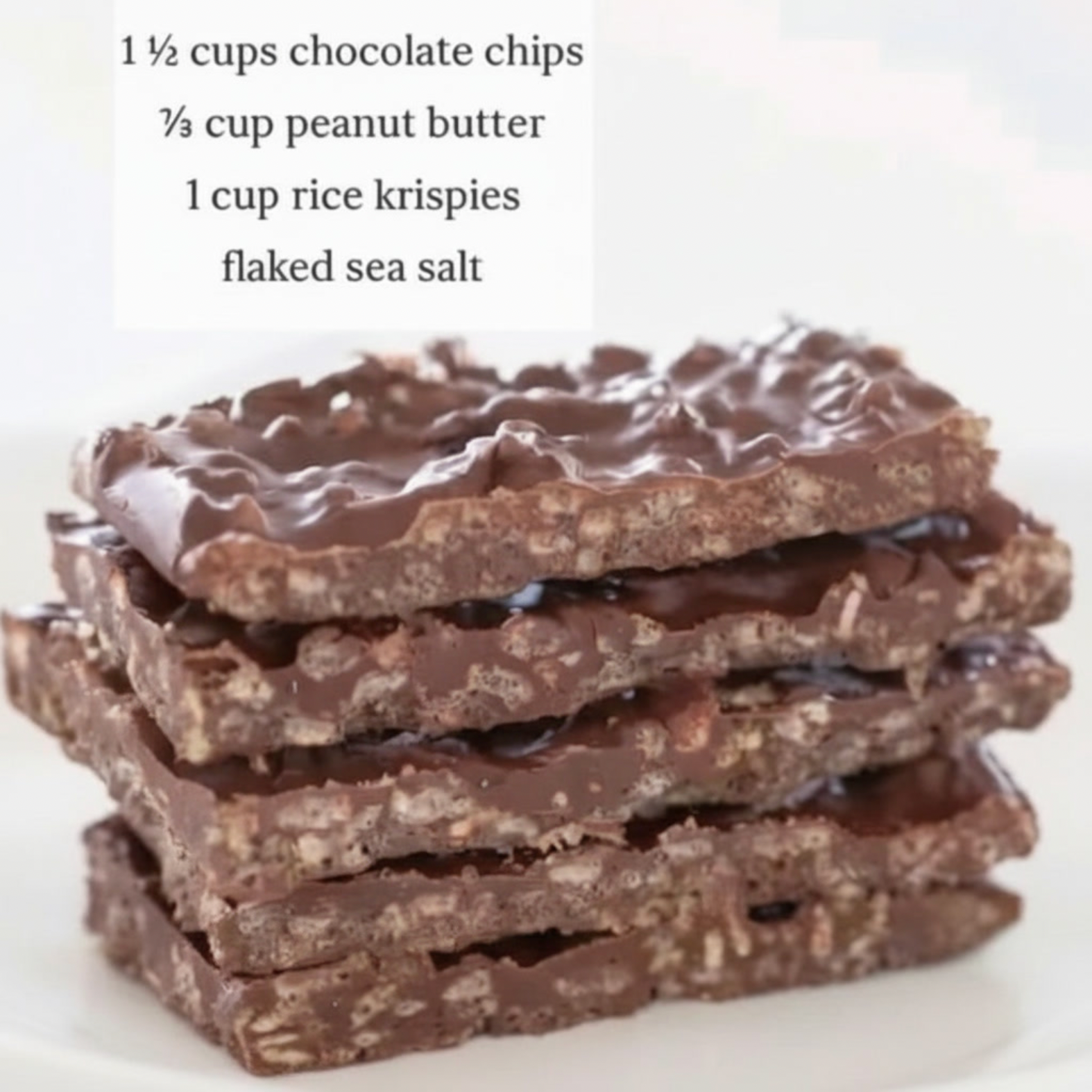
At their core, crunch bars are a no-bake chocolate confection that combines melted chocolate with a crisp element, usually cereal. Once mixed and set, the result is a firm yet slightly tender bar that breaks with a gentle snap and melts smoothly in the mouth.
The defining characteristics are:
- A rich chocolate base
- A light, crispy interior
- A balanced sweetness
- A clean, structured shape when cut
Despite their simplicity, achieving the right balance requires attention to detail.
Ingredients and Their Roles
Chocolate
Chocolate is the foundation of the recipe. Its quality determines the overall flavor, texture, and mouthfeel.
Types of Chocolate
- Semi-sweet: balanced sweetness and cocoa flavor
- Milk chocolate: sweeter, creamier, softer texture
- Dark chocolate: more intense, slightly bitter, firmer structure
Why It Matters
Chocolate provides:
- Flavor depth
- Structure when cooled
- Smooth melting texture
Using good-quality chocolate improves the final result significantly.
Crisped Cereal
The cereal provides the signature crunch.
Common Choices
- Rice cereal (light and airy)
- Corn-based cereal (slightly firmer texture)
Function
- Adds texture contrast
- Keeps the bars from becoming dense
- Creates the “crunch” effect
The cereal must remain dry and crisp to preserve the texture.
Butter or Fat Component
Some recipes include a small amount of butter or oil.
Purpose
- Improves melt consistency
- Adds richness
- Prevents chocolate from becoming too hard
This creates a smoother, more pleasant bite.
Sweeteners (Optional)
Depending on the chocolate used, additional sweetness may be added through:
- Honey
- Sugar syrup
- Condensed milk
These ingredients can also influence texture, making the bars slightly softer or chewier.
Salt
A small amount of salt enhances the chocolate flavor.
Effect
- Balances sweetness
- Deepens flavor complexity
- Adds a subtle contrast
Even a small pinch can noticeably improve the taste.
Step-by-Step Preparation
1. Melting the Chocolate
Chocolate should be melted gently to avoid burning.
Methods
- Double boiler: indirect heat, more control
- Microwave: short intervals with stirring
Key Points
- Do not overheat
- Stir frequently
- Aim for a smooth, glossy texture
Overheating can cause the chocolate to seize or become grainy.
2. Combining Ingredients
Once melted:
- Add butter (if using) and stir until smooth
- Fold in cereal gently
Important Technique
Mix carefully to:
- Coat all cereal evenly
- Avoid crushing the cereal
- Maintain light texture
3. Shaping the Bars
The mixture is transferred into a lined pan.
Steps
- Spread evenly
- Press lightly to compact
- Smooth the surface
Pressing too hard can make the bars dense; pressing too lightly can make them crumbly.
4. Setting the Bars
The mixture is left to cool and solidify.
Options
- Room temperature: slower, more even setting
- Refrigerator: faster, firmer texture
Once set, the bars can be cut into squares or rectangles.
Texture: The Heart of the Recipe
The success of crunch bars lies in achieving the right texture balance.
Crispness
The cereal should remain light and crunchy, not soggy.
Firmness
The chocolate should hold the bars together without being too hard.
Chewiness (Optional)
If softeners like syrup or butter are added, the bars may have a slight chew.
Flavor Profile
A well-made crunch bar offers:
- Rich chocolate intensity
- Mild sweetness
- Subtle salt balance
- Light toasted notes from cereal
The simplicity allows each element to stand out.
The Science Behind the Recipe
Chocolate Crystallization
As chocolate cools, it solidifies into a structured form. Proper cooling ensures:
- Smooth texture
- Clean snap
- Stable shape
Moisture Control
Cereal must stay dry. Any moisture introduced can:
- Soften the texture
- Reduce crunch
Fat Distribution
Butter or oil helps distribute fat evenly, improving mouthfeel.
Variations and Customizations
Flavor Additions
- Vanilla extract for warmth
- Peanut butter for richness
- Caramel for sweetness
Texture Additions
- Chopped nuts for crunch
- Coconut flakes for chewiness
- Crushed biscuits for density
Chocolate Variations
- White chocolate for a sweeter version
- Mixed chocolate layers for contrast
Serving Ideas
Crunch bars can be served:
- As a snack
- As a dessert
- At gatherings or potlucks
They pair well with:
- Coffee
- Tea
- Milk
They can also be wrapped and given as gifts.
Storage and Shelf Life
Proper storage helps maintain texture.
At Room Temperature
- Store in an airtight container
- Keep in a cool, dry place
Refrigeration
- Extends shelf life
- Makes bars firmer
Shelf Life
- Typically lasts several days to a week
Avoid humidity to preserve crispness.
Common Mistakes and How to Avoid Them
Overheating Chocolate
Leads to grainy texture. Always melt gently.
Crushing the Cereal
Results in dense bars. Mix carefully.
Adding Too Much Liquid
Can make bars soft and sticky.
Improper Setting
Cutting too early can cause bars to fall apart.
Why This Recipe Endures
Crunch bars remain popular because they offer:
- Simplicity
- Speed
- Accessibility
- Consistent results
They require minimal equipment and can be adapted easily.
The Emotional Appeal
Beyond technique, crunch bars carry a sense of comfort. They are:
- Easy to make
- Familiar in flavor
- Suitable for sharing
They fit into everyday life—quick to prepare, satisfying to eat, and easy to enjoy.