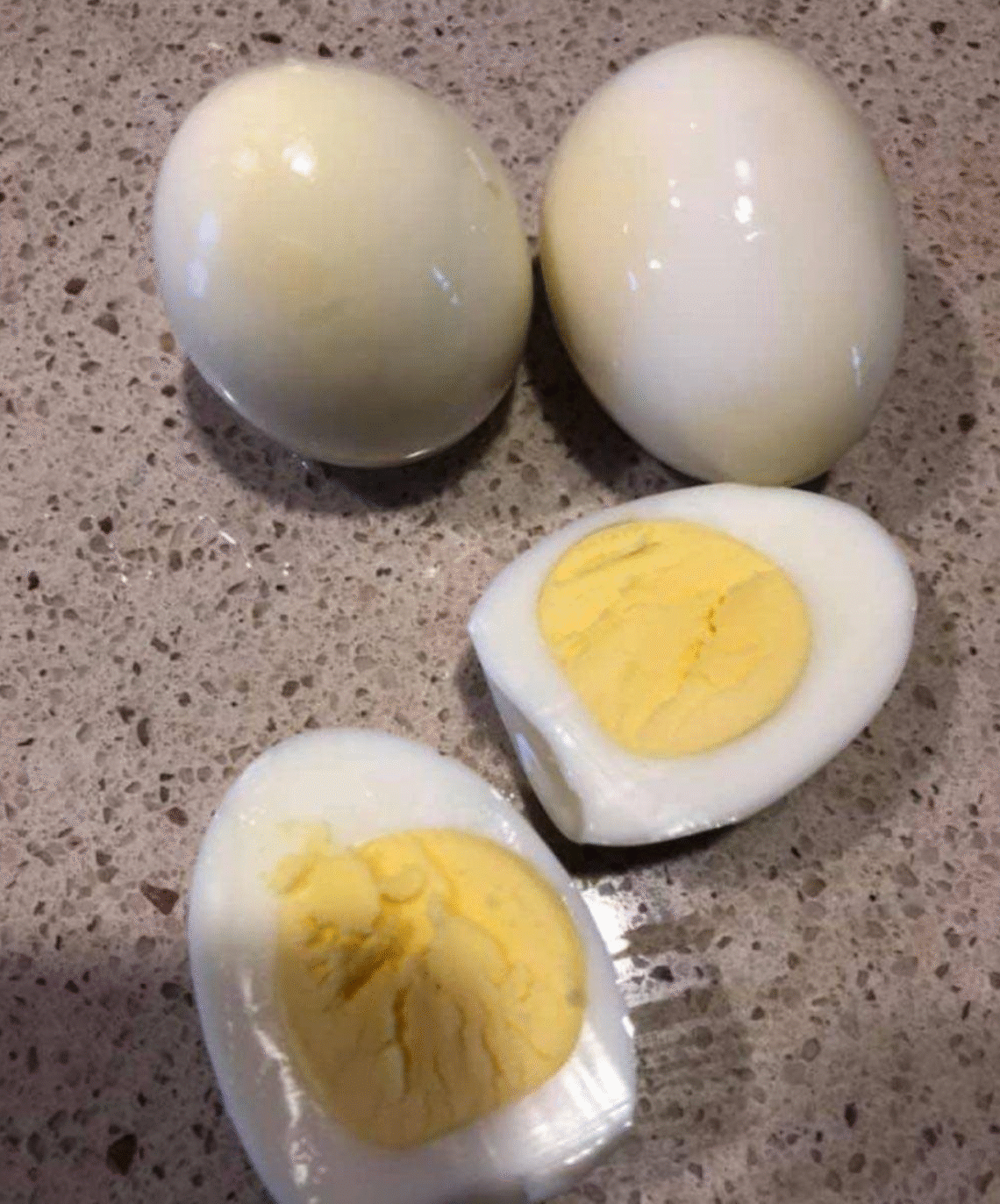
Understanding the Risks, Science, and Healthier Approaches
Boiled eggs are a staple of breakfasts, snacks, and meal prep worldwide. They are convenient, protein-packed, and versatile, and for many, a hard-boiled egg is the perfect fuel for a busy day. But recent warnings from medical professionals highlight that the way we commonly eat boiled eggs can impact heart health, particularly when combined with certain habits or toppings.
This isn’t a reason to fear eggs entirely—eggs can be a healthy food—but it is a call to examine preparation methods, additions, and portion sizes.
THE NUTRITIONAL VALUE OF BOILED EGGS
A large boiled egg contains approximately:
- Calories: 70–80
- Protein: 6 g
- Fat: 5 g
- Cholesterol: 185–190 mg
- Vitamins: B12, D, A
- Minerals: Selenium, phosphorus
Eggs are one of the few foods naturally containing vitamin D and choline, essential for brain and heart function. They are also an affordable, high-quality protein source.
The concern arises not from eating eggs themselves but from how they are typically consumed in modern diets, often with additional fats, salts, and processed foods.
THE “COMMON WAY” OF EATING BOILED EGGS
Many people enjoy boiled eggs in one of these ways:
- With mayonnaise or salad dressings:
Egg salad is a classic, often made with large amounts of mayonnaise. - With buttered toast or fried accompaniments:
Eggs plus buttered bread, hash browns, or cheese-laden sides. - With processed meats:
Boiled eggs served alongside bacon, sausage, or deli meats. - With heavy seasoning and salts:
Overuse of salt or creamy toppings.
WHY THIS CAN BE HARMFUL TO ARTERIES
1. Cholesterol Load
Egg yolks are high in cholesterol. While moderate intake is generally safe for most people, combining several eggs with other cholesterol-heavy foods can increase blood LDL (“bad” cholesterol) in susceptible individuals.
2. Excess Saturated Fat
Mayonnaise, butter, cheese, and fried sides add saturated fats. High saturated fat intake contributes to:
- Artery plaque buildup
- Reduced elasticity of blood vessels
- Increased risk of heart disease
3. Hidden Sodium
Salt, pickles, and processed foods often served with eggs raise blood pressure, which strains arteries over time.
4. Combination Effect
The issue is rarely one food alone. The combination of cholesterol + saturated fat + sodium can accelerate plaque formation, particularly in people with:
- Family history of heart disease
- High LDL cholesterol
- Diabetes or metabolic syndrome
HEALTHIER WAYS TO ENJOY BOILED EGGS
1. Moderate Yolks
- Eat 1–2 eggs per day for most healthy adults
- Consider limiting yolk if you already consume high cholesterol elsewhere
2. Pair with Vegetables
- Slice boiled eggs over spinach, tomatoes, or avocado
- Add a splash of olive oil instead of mayonnaise
3. Avoid High-Fat Condiments
- Replace mayonnaise with Greek yogurt or hummus for egg salad
- Skip butter-heavy toast; use whole grain or fresh vegetables
4. Mind Portion Combinations
- Don’t pair eggs with bacon, sausage, and cheese in the same meal
- Balance with fiber-rich foods that support cholesterol management
5. Boil Properly
- Avoid overcooking, which can slightly oxidize cholesterol in yolks
- Cook until just firm, not grayish around the yolk
UNDERSTANDING THE RISK
Medical research indicates:
- Healthy adults: 1 boiled egg per day does not increase heart disease risk significantly
- Individuals with pre-existing heart disease or high LDL: moderation and pairing with vegetables is essential
- Overconsumption of eggs with unhealthy fats and salts contributes to arterial plaque over time
Key takeaway: It’s context, not the egg alone, that matters.
SIGNS YOUR DIET MAY BE IMPACTING ARTERIES
- High LDL or total cholesterol readings
- Early signs of high blood pressure
- Fatigue or shortness of breath during exertion (consult doctor)
- Family history of cardiovascular disease
Regular checkups and mindful eating help mitigate risk.
ALTERNATIVE WAYS TO PREPARE BOILED EGGS
- Egg salad with avocado and lemon
- Sliced eggs over whole-grain toast with tomato
- Egg and veggie bowls with olive oil drizzle
- Spiced boiled eggs (paprika, pepper) instead of creamy sauces
These methods retain protein benefits while minimizing artery-straining fats.
FINAL THOUGHT
Boiled eggs themselves are nutrient-dense, convenient, and generally safe for most people. The risk arises when they are combined with:
- Excess saturated fat
- Processed meats
- High salt content
Moderation, smart pairings, and avoiding calorie-dense sauces are the keys to enjoying eggs without compromising heart health.
Eggs can still be part of a heart-friendly diet—just rethink the toppings, accompaniments, and portion size.