And Why How You Cook Them Matters More Than You Think
Eggs have been part of the morning meal for centuries. Across cultures and continents, they appear on breakfast tables in countless forms—boiled, fried, scrambled, poached, baked. They are affordable, filling, and familiar. Yet despite their everyday presence, eggs have long been surrounded by confusion, debate, and changing advice.
Doctors and nutrition specialists today largely agree on one thing: eggs can be a powerful morning food, but their impact on your body depends not only on when you eat them, but also how you prepare them.
To understand why, it helps to look at what actually happens inside your body after that first bite.
What Happens in Your Body When You Eat Eggs in the Morning
1. A Strong Start for Your Metabolism
When you wake up, your body has been fasting for several hours. Blood sugar is relatively low, and your system is ready for fuel. Eggs provide a combination of high-quality protein, healthy fats, and micronutrients, which signals the body to begin steady energy production.
Doctors explain that protein-rich breakfasts:
- Increase satiety (feeling full)
- Reduce mid-morning hunger
- Help regulate appetite hormones
- Support stable energy levels
Unlike sugary breakfasts that cause quick spikes and crashes, eggs digest slowly, keeping you satisfied longer.
2. Protein That Your Body Actually Uses
Eggs contain what doctors call complete protein, meaning they provide all nine essential amino acids your body cannot make on its own.
In the morning, this matters because:
- Muscles are more responsive to protein after fasting
- Protein supports tissue repair and maintenance
- It helps preserve lean muscle mass over time
This is one reason doctors often recommend eggs for growing teens, active individuals, and people trying to maintain strength and focus throughout the day.
3. Brain Support and Mental Focus
Egg yolks are rich in choline, a nutrient essential for brain function. Choline supports:
- Memory
- Concentration
- Nervous system signaling
Doctors note that many people do not get enough choline from their diet. Eating eggs in the morning helps supply this nutrient early in the day, which may support mental clarity and focus during school or work hours.
4. Hormone and Cell Health
Eggs naturally contain vitamins A, D, E, and B-complex vitamins, all of which play roles in:
- Hormone regulation
- Cell repair
- Immune system function
Vitamin D, in particular, is difficult to obtain from food alone. Eggs are one of the few natural dietary sources, making them especially valuable in the morning when the body is preparing for daily activity.
The Cholesterol Question: What Doctors Actually Say Now
For years, eggs were blamed for raising cholesterol levels. Today, doctors take a more nuanced view.
Current understanding shows:
- Dietary cholesterol has less impact on blood cholesterol than once believed
- Saturated and trans fats matter more for heart health
- For most healthy people, moderate egg consumption is safe
Doctors emphasize that context matters. Eggs eaten as part of a balanced diet are very different from eggs eaten alongside processed meats and refined carbohydrates every day.
Why How You Cook Eggs Matters
While eggs themselves are nutritious, the way they are cooked can significantly change their health impact.
1. High Heat Can Damage Nutrients
Cooking eggs at very high temperatures—especially frying until browned or crispy—can:
- Reduce some vitamins
- Oxidize fats in the yolk
- Create compounds that are harder for the body to process
Doctors recommend gentle cooking methods to preserve nutrients.
2. The Best Cooking Methods, According to Doctors
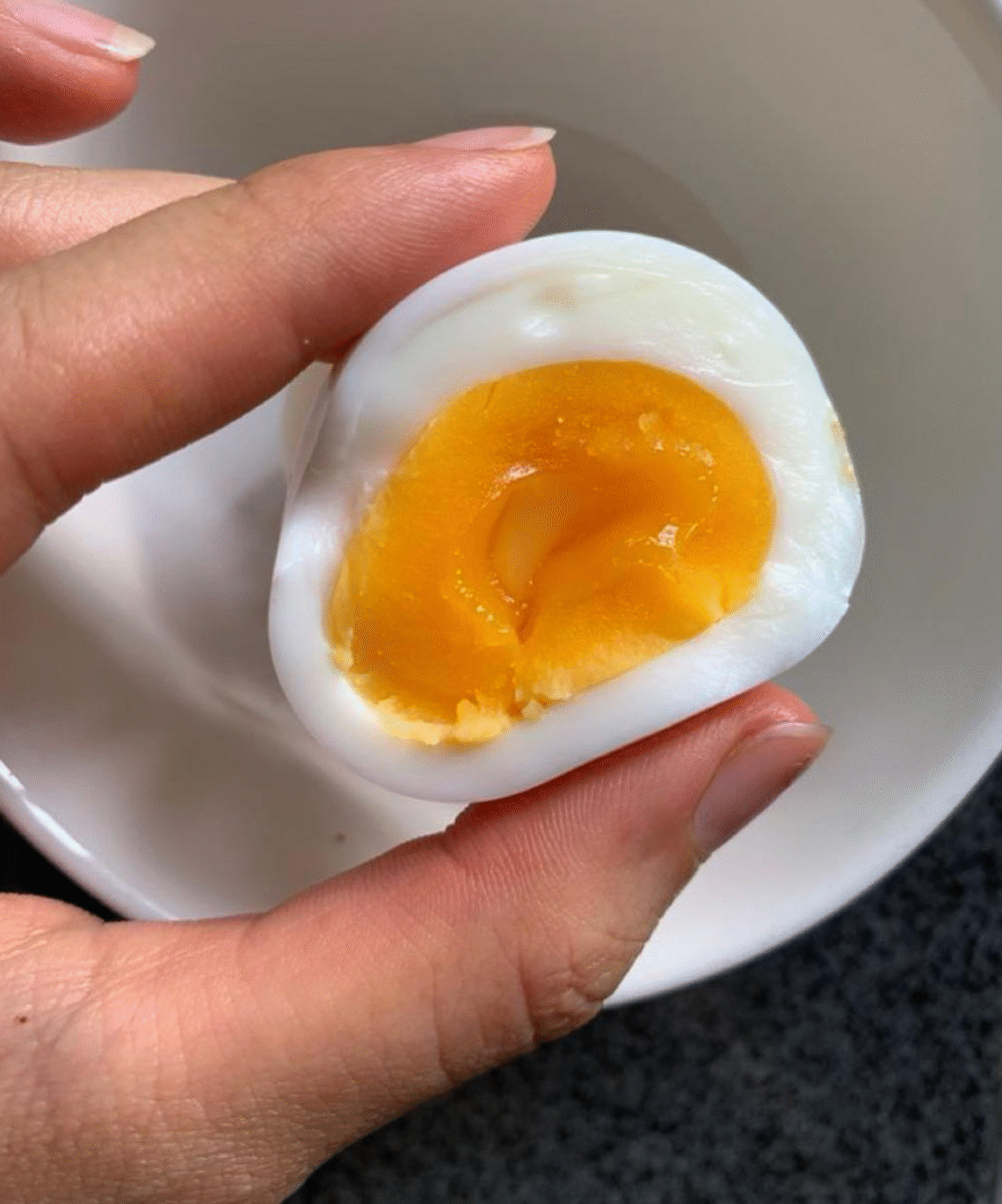
Boiled Eggs (Soft or Medium)
- Minimal added fat
- Preserves most nutrients
- Easy to digest
- Keeps calories controlled
Poached Eggs
- Cooked gently in water
- No added oils
- Yolks remain soft, protecting nutrients
Lightly Scrambled Eggs
- Best when cooked slowly over low heat
- Use minimal fat
- Stop cooking while still soft, not dry
These methods maintain protein quality and reduce unwanted chemical changes.
3. Cooking Methods Doctors Recommend Limiting
Over-Fried Eggs
- High heat damages fats
- Often cooked in excessive oil or butter
- Can create oxidized cholesterol
Eggs Cooked With Processed Meats
- Bacon, sausages, and cured meats add saturated fat and sodium
- This combination changes the health profile of the meal
Doctors stress that it’s often what you cook eggs with, not the eggs themselves, that causes problems.
Raw vs Cooked Eggs: A Medical Perspective
Some people believe raw eggs are healthier. Doctors strongly disagree.
Raw eggs:
- Are harder to digest
- Provide less usable protein
- Carry a risk of bacterial contamination
Cooking eggs lightly improves protein absorption and safety while preserving nutrients.
Eggs and Weight Management in the Morning
Doctors often recommend eggs for people trying to manage weight because:
- Protein increases fullness
- Fewer cravings later in the day
- Reduced snacking between meals
Studies consistently show that people who eat eggs for breakfast often consume fewer calories overall compared to those who eat refined-carb breakfasts.
Who Should Be More Careful With Eggs?
Doctors advise moderation or personalized guidance for:
- People with specific cholesterol disorders
- Those with egg allergies
- Individuals advised by their doctor to limit certain nutrients
For most people, however, eggs can be part of a healthy morning routine.
The Bigger Picture: Eggs as Part of a Balanced Breakfast
Doctors emphasize that eggs work best when paired with:
- Vegetables (spinach, tomatoes, peppers)
- Whole grains
- Healthy fats in moderation
- Fresh fruit
This combination provides fiber, antioxidants, and sustained energy.
Final Thoughts
Eggs are not just a breakfast tradition—they are a nutritional tool. When eaten in the morning, they support satiety, brain function, muscle health, and steady energy. But doctors are clear: the benefits depend on preparation.
Gentle cooking, minimal added fats, and balanced pairings allow eggs to deliver their full potential. Overcooking, excessive oils, and processed sides can undo much of their value.