When you hear the word “gizzard,” most people picture a tough, chewy, almost intimidating piece of offal that doesn’t quite belong on a modern plate. Yet, this small, muscular organ of the chicken is a culinary treasure—packed with nutrition, deeply flavorful, and absurdly affordable. For centuries, cultures across the globe have prized gizzards for their texture, versatility, and ability to elevate humble meals into hearty, soul-satisfying dishes.
Let’s explore why chicken gizzards deserve a permanent place on your grocery list, how to prepare them so they are tender, flavorful, and crave-worthy, and the cultural history that gives them their timeless appeal.
Chapter 1: What Are Chicken Gizzards?
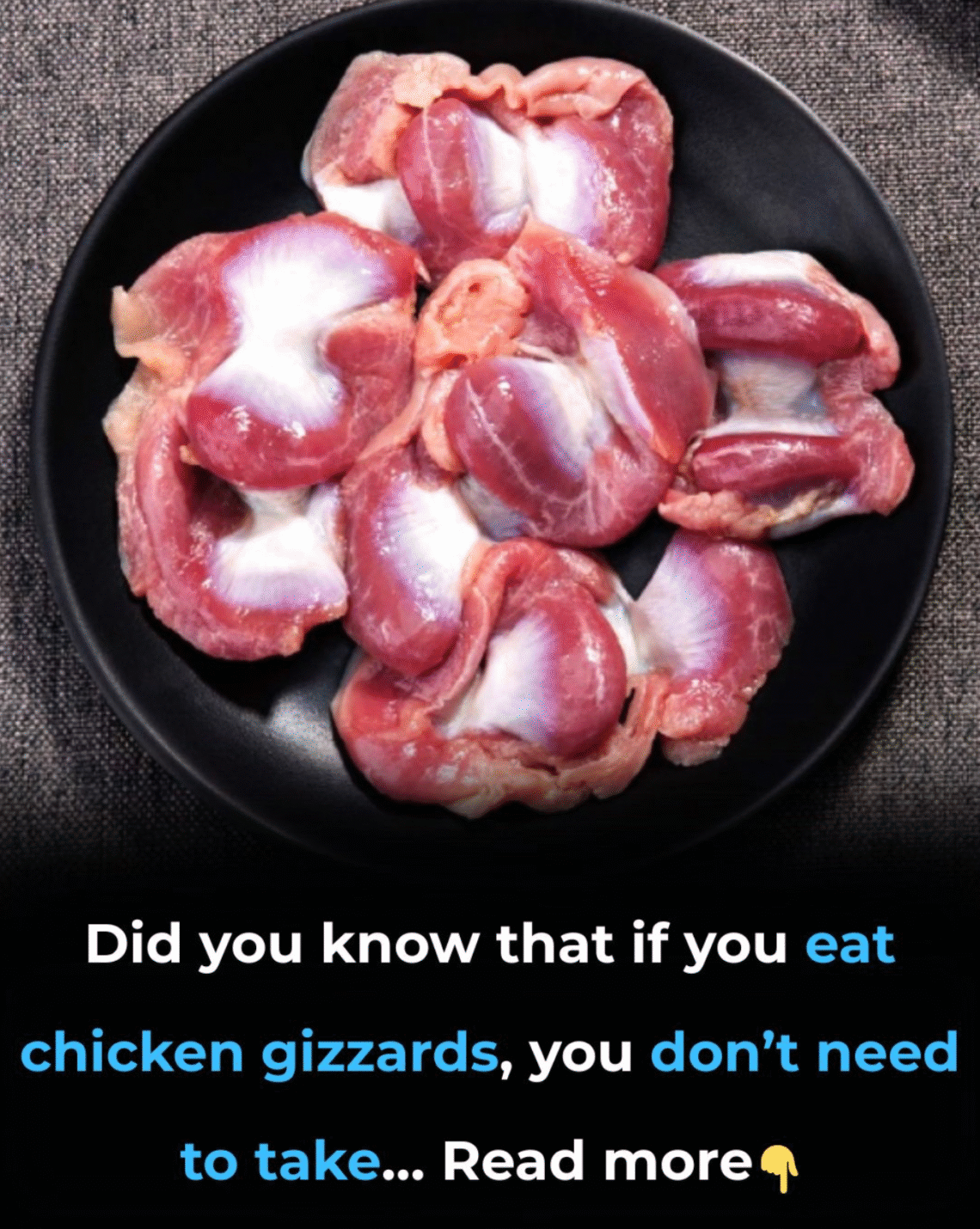
Chicken gizzards are part of a bird’s digestive system, specifically a muscular organ that helps grind up food. Think of it as a natural food processor inside the chicken—small, dense, and packed with muscle fibers.
Key characteristics:
- Texture: Firm and chewy, but with proper cooking, tender and meaty.
- Size: Usually small, about the size of a large grape.
- Flavor: Mildly savory, earthy, and slightly rich, making them versatile in many recipes.
- Nutrition: High in protein, iron, zinc, and B vitamins, making them a powerhouse for energy, muscle health, and immunity.
For many, the term “offal” carries negative connotations—but understanding gizzards in the context of nutrition, culture, and flavor changes everything.
Chapter 2: Nutritional Powerhouse
Chicken gizzards are surprisingly dense in nutrients. Here’s a breakdown of what makes them a superfood:
- Protein: About 30 grams per 100 grams—perfect for muscle repair, satiety, and weight management.
- Iron: Supports healthy blood cells and prevents fatigue.
- Zinc: Boosts immunity and supports enzyme function.
- Vitamin B12: Essential for nerve function and energy metabolism.
- Low Fat: Lean compared to other organ meats, making them healthier than fatty cuts of chicken or beef.
For people looking to eat nutrient-dense, budget-friendly protein, gizzards are unmatched. A few dollars buys enough to feed a family while delivering vitamins and minerals found in expensive cuts of meat or supplements.
Chapter 3: Cultural Significance and Global Love
Chicken gizzards are not just economical—they are celebrated worldwide:
- Southern United States: Fried gizzards, crispy and golden, served as a beloved comfort food in diners and backyards alike.
- Philippines: Known as “Adobong Balunbalunan”, gizzards are braised in soy sauce, vinegar, and garlic until tender and flavorful.
- Japan: Called “Sunagimo”, often grilled on skewers with yakitori sauce, creating a chewy, umami-rich treat.
- West Africa: Gizzards are stewed, spiced, and sometimes skewered, often making an appearance at festivals and street markets.
Despite this, gizzards remain underappreciated in many Western kitchens—partly due to unfamiliarity, partly because of their tough texture if not prepared correctly.
Chapter 4: Selecting the Best Gizzards
When buying chicken gizzards:
- Freshness matters: Look for a firm, plump, slightly shiny appearance. Avoid pale, grayish, or slimy pieces.
- Size: Larger gizzards are often older birds and can be tougher; smaller gizzards tend to be tenderer.
- Cleaning: Many stores sell cleaned gizzards, but if you buy them whole, remove the inner lining and any fat or connective tissue.
Pro tip: Rinse gizzards under cold water, pat dry with a paper towel, and optionally soak in a little vinegar or buttermilkfor 30 minutes to tenderize and remove any residual odor.
Chapter 5: Cooking Methods for Perfectly Tender Gizzards
The key challenge with gizzards is tenderizing them without losing flavor. They are naturally muscular, so they need low and slow cooking, or clever methods to transform them into something juicy and enjoyable.
1. Boiling/Simmering
- Place cleaned gizzards in a pot with water, onions, garlic, and aromatics.
- Simmer for 1–2 hours until tender.
- Use in soups, stews, or as a base for fried dishes.
2. Pressure Cooking
- Great for a time-saving approach.
- 25–30 minutes at high pressure can make gizzards melt-in-your-mouth tender.
- Perfect for adding to gravies, curries, or creamy casseroles.
3. Frying
- Simmer or pressure-cook first to soften.
- Coat in seasoned flour or breadcrumbs and deep-fry until golden brown.
- Result: Crispy outside, tender inside—a Southern classic.
4. Grilling/Skewering
- Marinate gizzards in soy sauce, garlic, lemon juice, or spices.
- Grill on medium heat, turning frequently.
- Ideal for skewers or street-food-style dishes.
5. Braising
- Cook slowly in stock, wine, or tomato sauce.
- Aromatics and herbs infuse the gizzards with flavor while softening them to a delightful chewiness.
Chapter 6: Flavor Profiles and Seasoning Tips
Gizzards have a mild, earthy flavor, which means they can take on a variety of seasonings:
- Classic Southern: Garlic powder, paprika, cayenne, salt, and black pepper.
- Asian-Inspired: Soy sauce, sesame oil, ginger, and scallions.
- Mediterranean: Olive oil, lemon juice, oregano, thyme, and garlic.
- Spicy and Tangy: Hot sauce, vinegar, smoked paprika, and chili powder.
The key is balance: don’t overpower the gizzard, but use spices and herbs to enhance its natural umami.
Chapter 7: Delicious Recipe Ideas
- Crispy Fried Gizzards
- Simmer for 1 hour.
- Coat with flour, salt, pepper, and paprika.
- Deep fry until golden.
- Serve with dipping sauce.
- Gizzard Stew
- Sauté onions, garlic, and bell peppers.
- Add gizzards, simmer with tomato paste, herbs, and stock for 1–2 hours.
- Serve over rice or mashed potatoes.
- Yakitori-Style Grilled Gizzards
- Marinate in soy sauce, mirin, garlic, and sesame oil.
- Skewer and grill until lightly charred.
- Garnish with scallions and sesame seeds.
- Spicy Adobo Gizzards
- Simmer with vinegar, soy sauce, bay leaves, and black peppercorns.
- Serve with steamed rice for a tangy, flavorful meal.
Chapter 8: Budget-Friendly Benefits
Chicken gizzards are incredibly cost-effective:
- A pound often costs less than half the price of chicken breasts.
- Nutritionally, you get more iron, zinc, and protein per dollar than many premium cuts.
- For families, gizzards stretch meals further without sacrificing flavor or satisfaction.
Chapter 9: Common Misconceptions
- “Gizzards are too tough.” Not if you cook them properly—they just need slow cooking or pre-tenderizing.
- “They taste weird.” On their own, gizzards are mild; most perceived “offal” taste comes from undercooking or poor cleaning.
- “They’re gross.” This is cultural bias. Around the world, gizzards are celebrated and relished.
Chapter 10: Health and Wellness Perspective
Eating gizzards contributes to:
- Muscle maintenance: High protein supports strength and satiety.
- Immune function: Zinc and vitamin B12 enhance defense mechanisms.
- Energy production: B vitamins help convert food into usable energy.
- Affordable nutrition: Great for budget-conscious, nutrient-focused diets.
Chapter 11: Serving Suggestions
- Serve crispy gizzards with dipping sauces—ranch, aioli, or chili-garlic.
- Add stewed gizzards to soups, rice dishes, or pasta.
- Pair grilled gizzards with fresh vegetables and tangy dressings for a balanced meal.
- Use chopped gizzards in egg scrambles or stir-fries to boost protein content.
Chapter 12: A Culinary Philosophy
Chicken gizzards are more than just cheap protein—they represent a mindset of culinary respect. Using every part of the animal honors tradition, reduces waste, and challenges cooks to explore new textures and flavors.
Across cultures, gizzards are comfort food, festival food, street food, and gourmet food—and when cooked with care, they can rival any steak or chicken breast in depth of flavor.
Chapter 13: Final Thoughts
Next time you see chicken gizzards at the market, pause before passing them by. With patience, simple techniques, and seasoning, you can transform these humble organs into meals that are:
- Tender, rich, and satisfying
- Affordable and nutrient-dense
- Flavorful and versatile
Gizzards challenge your expectations—and reward those willing to embrace them. They are proof that sometimes the best things in life come in small, overlooked packages.
So step into the kitchen, pick up a bag of gizzards, and discover a superfood you’ve been missing.