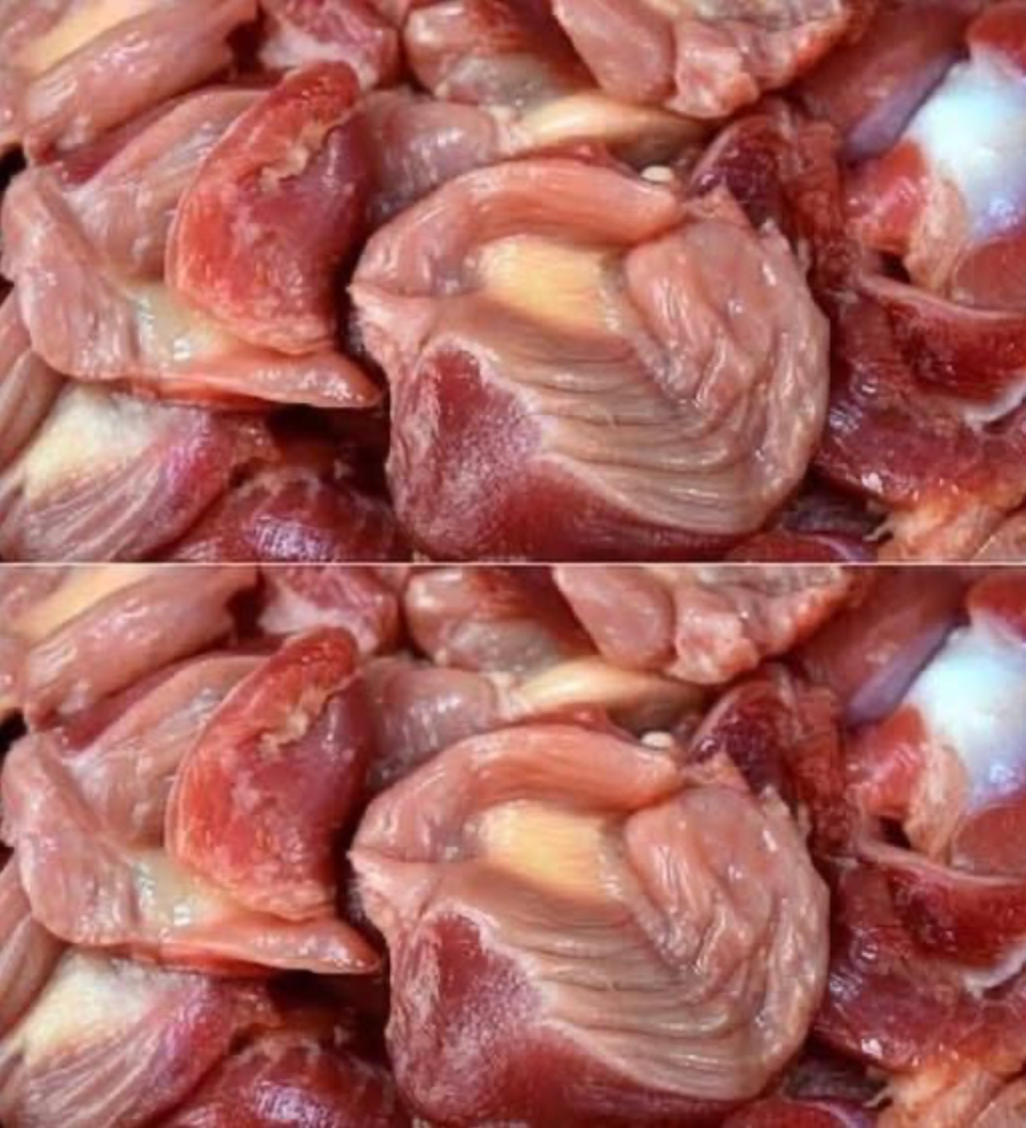
Chicken gizzards are one of the most overlooked ingredients in modern kitchens, yet they represent a remarkable combination of nutrition, flavor, and tradition. For many generations across the world, gizzards were not considered scraps or leftovers — they were valued, cooked slowly with care, and served as comforting, nourishing food. Today, as more people return to whole-animal cooking and seek nutrient-dense ingredients, gizzards are being rediscovered and appreciated again.
A gizzard is a small, powerful muscular organ in birds that works alongside the stomach. Because birds do not have teeth, the gizzard grinds food with the help of swallowed grit or small stones, breaking down grains, seeds, and plant material. As a result, the tissue becomes dense, lean, and richly textured — unlike the soft, delicate feel of liver or heart. This unique composition gives gizzards both their distinctive chew and their impressive nutritional profile.
The Nutritional Power of Chicken Gizzards
Gizzards are naturally high in protein while remaining relatively low in calories and fat. Their dense muscle fibers make them extremely satisfying, and they deliver a concentrated source of essential nutrients, including:
• High-quality, complete protein that supports muscle repair and strength
• Iron, which plays a role in oxygen transport and energy levels
• Zinc, essential for immune function and cellular repair
• Vitamin B12, important for red blood cell formation and nervous system health
• Riboflavin and niacin, both key in metabolism and energy production
• Selenium, a trace mineral involved in antioxidant protection
Because they are so nutrient-dense, gizzards have long been valued in traditional cuisines where nothing from the animal was wasted. Rather than being seen as inferior cuts, they were treated as economical, sustaining food that could feed families well with simple ingredients and careful cooking.
(As with all organ meats, moderation is wise, and people with specific dietary restrictions or medical conditions should follow guidance appropriate for their health needs.)
A Culinary Ingredient with Deep Cultural Roots
Gizzards appear in cuisines all over the world, each culture interpreting their flavor and texture in its own way:
• In Southern American cooking, gizzards are often simmered slowly or dredged and fried, then served with gravy or rice.
• In parts of Asia, they are grilled, stir-fried, skewered, or braised with soy sauce, ginger, and spices.
• In African and Caribbean kitchens, they may be stewed with aromatics, peppers, and tomatoes to create deeply savory dishes.
• In European country cooking, gizzards are confited in fat, simmered gently in stock, or added to rustic pâtés and salads.
This global presence reflects one truth: cultures that respected and valued the whole animal found ways to transform gizzards into dishes that were flavorful, satisfying, and meaningful.
Understanding the Flavor and Texture
Chicken gizzards do not taste like liver or other organ meats. Instead, they are closer in character to very lean, firm dark meat. When cooked correctly, they become tender, meaty, and pleasantly chewy, absorbing the flavors of whatever broth, sauce, or spices they are cooked with.
However, because gizzards are powerful working muscles, they require time and patience. Quick, high-heat cooking without prior softening can leave them tough. The key to great gizzards is slow, moist cooking first, followed by optional secondary preparation such as frying, grilling, or sautéing.
How to Clean and Prepare Gizzards Before Cooking
Most packaged gizzards are already cleaned, but a gentle rinse under cool water and a quick trim of any excess connective tissue or yellow lining is good practice. Pat them dry before seasoning or cooking. Because the meat is lean, many recipes begin with a slow simmer to tenderize them before any additional cooking steps.
Classic Methods for Cooking Chicken Gizzards
There is no single “right” way to cook gizzards. The best method depends on the desired texture and style of dish. Some of the most traditional and reliable approaches include:
1. Slow Simmering or Braising
Gizzards are placed in a pot with onions, garlic, herbs, and stock or water, then simmered gently for one to two hours. Over time, the fibers relax, and the meat becomes tender. This method forms the base for soups, stews, rice dishes, and gravies.
2. Pressure Cooking or Stewing
A pressure cooker or slow cooker accelerates the tenderizing process. Once softened, the gizzards can be eaten as they are, or used in other recipes that call for ready-cooked meat.
3. Frying After Tenderizing
In many Southern and comfort-food traditions, gizzards are first simmered until tender, then lightly breaded and fried to create a crisp exterior with a soft interior. This approach respects both flavor and texture.
4. Grilling or Stir-Frying
In cuisines where gizzards are sliced thin or skewered, they may be marinated and cooked over high heat — often after partial precooking — allowing them to soak up seasonings while maintaining pleasant bite and depth.
No matter the technique, gizzards reward patience. When treated with care, they develop a savory richness that feels deeply satisfying and substantial.
Why Gizzards Matter in Modern Food Culture
In an era where many cuts of meat are discarded or ignored, gizzards remind us of a more sustainable, thoughtful approach to cooking. Using every part of the animal honors both tradition and resources. It encourages respect for food, reduces waste, and connects us with culinary wisdom passed down through generations.
Gizzards also reflect values that are returning to contemporary kitchens: affordability, nourishment, and careful, intentional cooking rather than rushed convenience. They invite slower meals, richer flavors, and a renewed appreciation for ingredients that once formed the backbone of family cooking.
Final Reflection
Chicken gizzards may appear humble, but they hold remarkable value — nutritionally, culturally, and gastronomically. They are lean, protein-rich, and full of essential nutrients. They tell a story of resilience, ingenuity, and culinary heritage across continents. And when prepared with patience and respect, they transform into dishes that are hearty, comforting, and deeply satisfying.