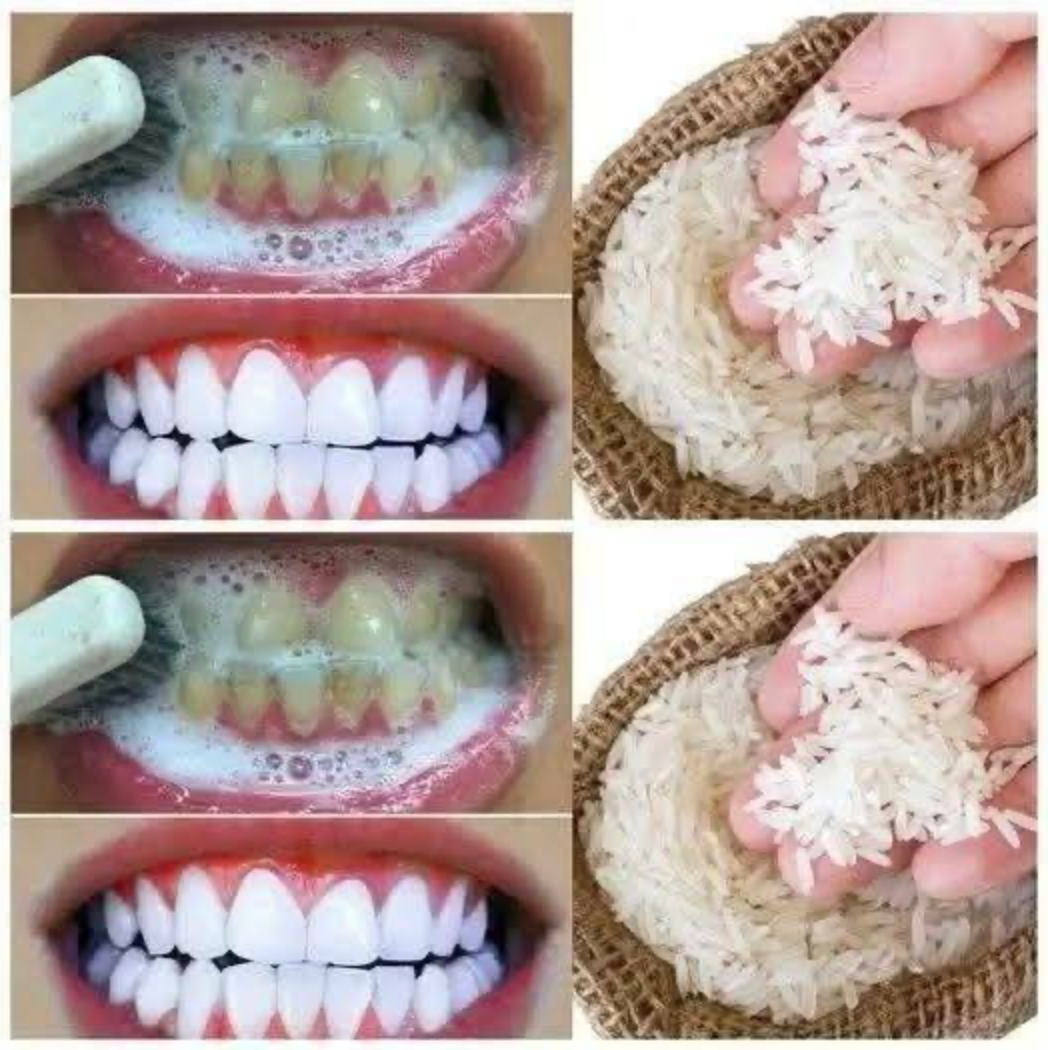
A radiant smile is more than just a cosmetic accessory—it’s a signal of health, hygiene, and confidence. While there are countless commercial teeth-whitening products on the market, many contain harsh chemicals that can irritate gums or erode enamel when overused. For those seeking a gentle, natural alternative, rice flour—a simple, kitchen-friendly ingredient—offers a surprisingly effective solution.
This guide will explore why rice flour works, how to use it safely, and what science says about natural teeth-whitening methods, so you can brighten your smile without compromising oral health.
Why Rice Flour?
Rice flour is finely ground from white or brown rice and has been used for centuries in cosmetic and hygiene practicesin Asia, particularly in Japan and Southeast Asia. Its appeal for teeth whitening comes from several properties:
- Mild Abrasive Action
- Rice flour is soft yet slightly gritty, making it effective for gently scrubbing away surface stains on teeth caused by coffee, tea, or smoking.
- Unlike commercial whitening pastes with strong chemical abrasives, rice flour polishes enamel without excessive wear.
- Natural and Non-Toxic
- Free from fluoride, peroxide, or synthetic additives.
- Safe for most people when used sparingly and correctly.
- Affordable and Accessible
- Easily found in most grocery stores or Asian markets.
- Requires no special equipment or expensive kits.
How Rice Flour Works to Brighten Teeth
The whitening effect of rice flour is primarily mechanical rather than chemical. It removes surface stains rather than altering the natural color of enamel.
- Surface Stain Removal: Coffee, tea, red wine, or curry can leave a thin layer of discoloration on enamel. Rice flour gently exfoliates these stains.
- Polishing Effect: Regular use can leave teeth smoother and shinier, which enhances the perception of whiteness.
- Gentle Enough for Daily Use: Its low abrasiveness prevents enamel erosion if used carefully.
Note: It does not bleach teeth internally or address deep discoloration from trauma, medication, or aging.
Step-by-Step Guide: Using Rice Flour for Brighter Teeth
Ingredients & Materials
- 2 teaspoons rice flour (white rice flour preferred for smoothness)
- Few drops of water (or coconut oil for added polishing and antibacterial effect)
- Optional: pinch of baking soda for extra whitening power
- Toothbrush (soft-bristled recommended)
Instructions
- Prepare the Paste
- Place the rice flour in a small bowl.
- Add a few drops of water or coconut oil to make a paste.
- Optional: mix in a tiny pinch of baking soda for additional stain removal.
- Apply to Teeth
- Dip a soft-bristled toothbrush into the paste.
- Gently brush in small circular motions for about 2 minutes, focusing on the front teeth where stains are most noticeable.
- Avoid aggressive scrubbing to protect enamel and gums.
- Rinse Thoroughly
- Spit out the rice flour paste and rinse thoroughly with water.
- You can follow with regular toothpaste if desired.
- Frequency of Use
- Use 2–3 times per week initially.
- Observe how your teeth respond. Daily use may be excessive for sensitive enamel.
Tips for Best Results
- Choose Fine Rice Flour: Coarser flour may be too abrasive. Japanese-style or “soft” rice flour works best.
- Combine with Coconut Oil: Coconut oil adds antibacterial properties, can reduce plaque, and improves paste texture.
- Limit Acidic Foods Around Brushing: Acidic drinks like soda or citrus right before brushing can make enamel softer; wait at least 30 minutes.
- Gentle Technique: Focus on circular motions rather than aggressive back-and-forth scrubbing to prevent gum irritation.
- Patience: Surface stain removal is gradual. Consistent use over 2–4 weeks typically yields noticeable brightening.
Benefits Beyond Whitening
Rice flour does more than just polish teeth:
- Reduced Plaque Buildup
- Mild abrasion helps remove plaque, which is a sticky film of bacteria contributing to gum disease and discoloration.
- Improved Gum Health
- Gentle brushing stimulates gums without causing micro-tears common with harder abrasives.
- Minimal Sensitivity
- Chemical whiteners can increase tooth sensitivity. Rice flour provides a natural alternative with less risk of sensitivity or enamel thinning.
Science Behind Natural Abrasives
While clinical studies on rice flour specifically are limited, research on mild abrasives for teeth supports the concept:
- Abrasive particle size matters: Studies show that finely milled natural powders can remove extrinsic stainssafely if particles are smaller than enamel microstructure (~10–20 μm).
- Enamel Safety: Abrasives softer than enamel allow stain removal without significant mineral loss.
- Complementary Practices: Combining mechanical polishing with good oral hygiene—daily flossing, fluoride toothpaste, and regular dental visits—maximizes whitening and oral health benefits.
Safety Precautions
- Do Not Overuse
- Excessive use of abrasives, even mild ones, can lead to enamel erosion over time.
- Stick to 2–3 times weekly unless advised by a dentist.
- Avoid on Cavities or Sensitive Teeth
- Open decay, cavities, or severe enamel erosion may worsen with any abrasive.
- Consult your dentist first if you have significant dental issues.
- Avoid Aggressive Scrubbing
- Gentle, circular brushing is sufficient.
- Aggressive brushing can lead to gum recession and enamel wear.
- Complement with Dental Hygiene
- Rice flour is a supplement, not a replacement, for flossing, professional cleanings, and fluoride toothpaste.
Alternative Kitchen-Friendly Whitening Options
For those who want a holistic natural approach, rice flour can be combined or alternated with:
- Baking Soda: Slightly more abrasive, effective for stubborn stains.
- Strawberries + Baking Soda: Malic acid in strawberries can help remove surface stains.
- Activated Charcoal: Adsorbs tannins and pigments, but can be messy and slightly abrasive.
- Oil Pulling with Coconut Oil: Reduces plaque and freshens breath; gentle on enamel.
Note: Always use moderation, and consult a dentist for severe discoloration.
Step-By-Step Routine for Brighter Teeth with Rice Flour
- Brush twice daily with fluoride toothpaste.
- Use rice flour paste 2–3 times per week.
- Floss daily to remove food particles and plaque between teeth.
- Limit staining beverages (coffee, tea, red wine) or rinse immediately after consumption.
- Visit your dentist every 6 months for professional cleaning.
This combination maximizes whitening safely while maintaining healthy enamel and gums.
Summary of Benefits
| Benefit | How Rice Flour Helps |
|---|---|
| Surface Whitening | Mild abrasive removes stains |
| Plaque Control | Mechanical scrubbing reduces buildup |
| Gum Health | Gentle brushing stimulates gums |
| Low Sensitivity | Avoids harsh chemicals in peroxide-based pastes |
| Natural & Affordable | Easily available kitchen ingredient |
Final Thoughts
Rice flour is a gentle, effective, and kitchen-friendly way to brighten your teeth without harsh chemicals or risk of sensitivity. By combining mechanical polishing, good oral hygiene, and healthy habits, you can maintain a naturally bright smile safely.
While it won’t bleach teeth internally, it can gradually remove surface stains, leaving teeth smoother, shinier, and visually brighter. Paired with flossing, regular dental visits, and mindful consumption of staining foods, rice flour can become a reliable part of your oral care routine.