Maintaining a regular fitness routine is one of the most effective ways to ensure a healthy, vibrant, and active lifestyle, especially as we age. For those over 60, cardiovascular exercise is particularly beneficial, offering a wide range of advantages that contribute to both physical and mental well-being. It’s not about running marathons; it’s about consistent movement that keeps your body and mind sharp. If you’re looking to enhance your quality of life and maintain your independence for years to come, here are six compelling reasons to incorporate cardio into your fitness regimen.
1. Boost Your Heart Health
As we get older, our cardiovascular system naturally undergoes changes that can increase the risk of heart disease. Regular cardio exercise is your best defense. It strengthens your heart muscle, allowing it to pump blood more efficiently throughout your body with less effort. This, in turn, helps to lower your resting heart rate and blood pressure. Furthermore, consistent aerobic activity helps reduce “bad” LDL cholesterol and can increase “good” HDL cholesterol, keeping your arteries clear and flexible. Engaging in activities like brisk walking, swimming, cycling, or even vigorous gardening can significantly decrease your risk of heart attack and stroke, making it a cornerstone of a heart-healthy lifestyle.
2. Enhance Cognitive Function and Mood
Cardiovascular exercise isn’t just good for your heart—it’s also one of the best things you can do for your brain. Physical activity increases blood flow to the brain, delivering a rich supply of oxygen and nutrients that support the health of brain cells and encourage the growth of new neural connections. Studies have shown that regular cardio can improve memory, sharpen focus, and enhance problem-solving skills. It has also been linked to a reduced risk of developing dementia and Alzheimer’s disease. Additionally, exercise is a powerful natural mood elevator. It releases endorphins, often called “feel-good” hormones, which can help combat feelings of anxiety and depression, promoting a more positive and resilient outlook on life.
3. Manage Your Weight Effectively
Metabolism tends to slow down with age, which can make weight management a significant challenge. Cardio is an excellent and efficient tool for burning calories and boosting your metabolism, helping you maintain a healthy weight. By staying within a healthy weight range, you reduce the physical strain on your joints, particularly your knees, hips, and back. This can alleviate pain from conditions like arthritis and improve your overall mobility. Effective weight management also lowers your risk of developing a range of chronic conditions, including type 2 diabetes and high blood pressure.
4. Strengthen Your Bones and Muscles
While strength training is often highlighted for its bone and muscle benefits, weight-bearing cardio exercises are also crucial for skeletal health. Activities like walking, jogging, dancing, and tennis put gentle, productive stress on your bones. This stress signals your body to build more bone tissue, making them denser and stronger. This is particularly important for preventing osteoporosis, a common condition in older adults that can lead to debilitating fractures. In addition, cardio helps maintain lean muscle mass, which is essential for supporting your joints, improving stability, and maintaining overall strength for daily activities.
5. Improve Your Balance and Reduce Fall Risk
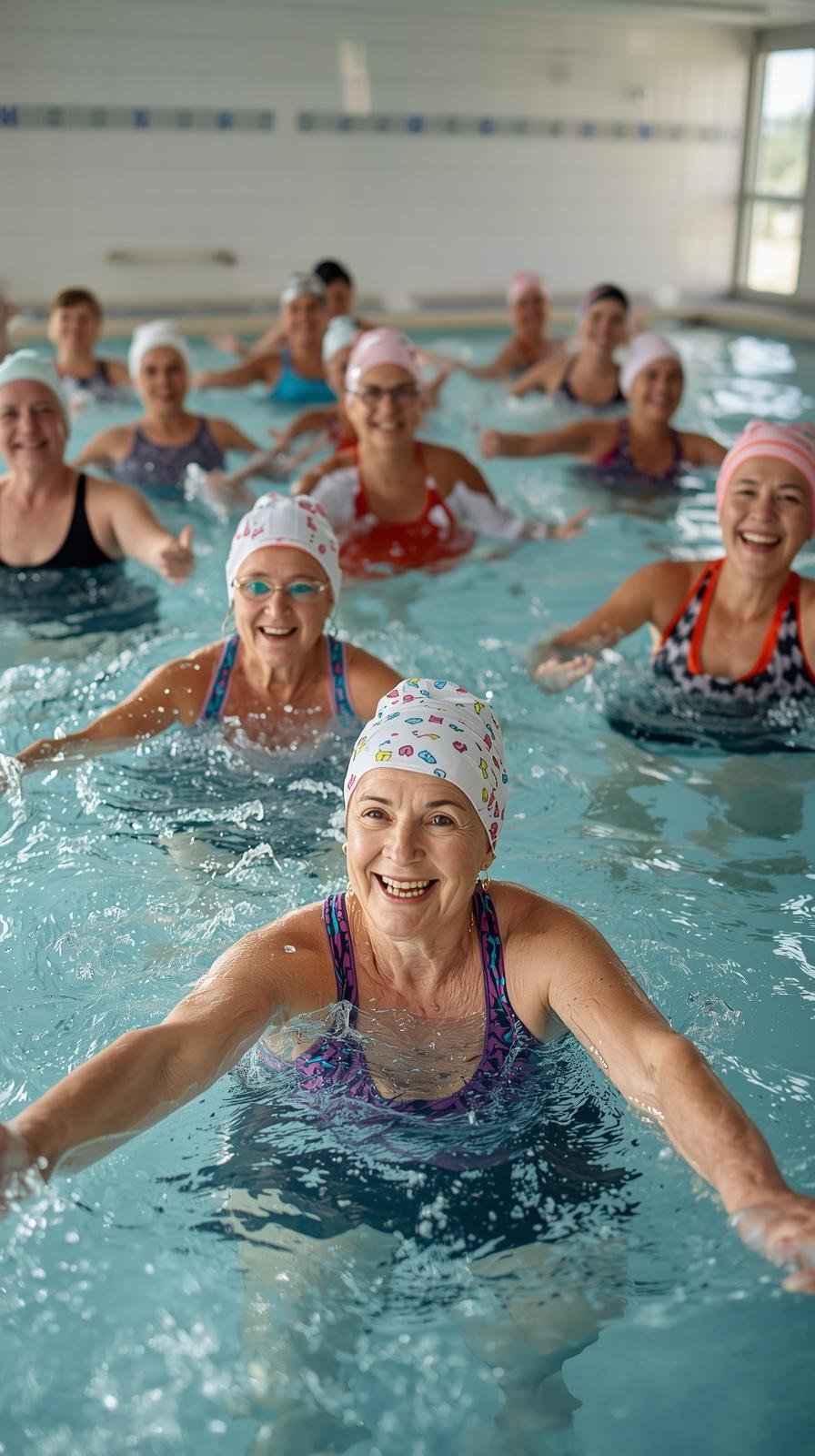
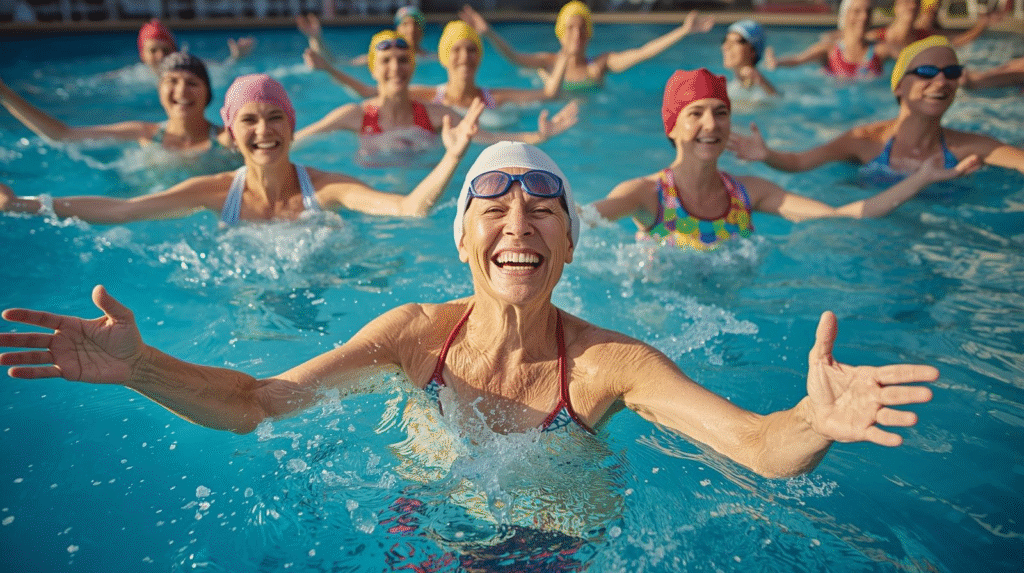
Falls are a significant concern for older adults, often leading to serious injuries that can compromise independence. Cardiovascular exercise, especially activities that challenge your coordination and balance, is key to prevention. Modalities like tai chi, water aerobics, and dancing require you to be aware of your body’s position in space, thereby improving your proprioception. By strengthening your lower body and core muscles, you build a more stable foundation, making you better equipped to navigate uneven surfaces, recover from a stumble, and prevent accidents before they happen.
6. Increase Your Energy and Stamina
It may seem counterintuitive, but the more you move, the more energy you’ll have for daily life. Regular cardiovascular exercise improves your body’s ability to take in and use oxygen. This enhanced efficiency means your heart and lungs don’t have to work as hard to power your activities, from climbing stairs to carrying groceries. This translates to a noticeable increase in your overall stamina and a reduction in feelings of fatigue. With more energy, you’ll be able to enjoy your favorite activities, from gardening to traveling, and live a more fulfilling, vibrant, and active life.
Getting Started with Cardio
Embarking on a new fitness journey is exciting. Here are a few tips to get you started safely and effectively:
- Consult Your Doctor: Before beginning any new exercise program, it’s essential to talk with your healthcare provider to ensure it’s safe for you, especially if you have pre-existing conditions.
- Start Slow and Be Patient: You don’t need to overdo it. Begin with 10-15 minutes of light activity, like a slow walk, a few times a week. As you get stronger, you can gradually increase the intensity and duration of your workouts.
- Find Activities You Genuinely Enjoy: The key to consistency is enjoyment. Explore different options—join a dance class, try pickleball, find a local walking group, or swim at a community pool. When you look forward to your workout, it becomes a sustainable habit.
- Listen to Your Body: Pay attention to how you feel. It’s normal to have some light muscle soreness, but sharp pain is a signal to stop and rest. Don’t be afraid to take a day off when you need it.
For more information on senior fitness, check out the excellent resources available from the National Institute on Aging.
What are your favorite ways to stay active? Share your tips and experiences in the comments below!