Golden. Squeaky. Salt-kissed.
This is Mediterranean simplicity at its most triumphant—one skillet, three ingredients, and a cheese so unique that it transforms heat into crisp edges and molten tenderness without ever melting away.
Halloumi is a cheese of story and survival: born on the island of Cyprus, shaped by shepherd hands, brined for longevity, and designed to endure fire. When it hits a hot pan, something magical happens—the surface caramelizes to a deep golden crust while the inside becomes warm, bouncy, and almost creamy, like a memory of summer sun trapped in protein.
This recipe honors all that heritage. No marinades. No breading. No complicated process. Just a respectful sear, a small kiss of oil, and a finishing flourish of herbs that awaken the cheese’s natural salinity and richness.
It is the kind of dish you make when guests arrive unannounced… or when you want a moment of warm, quiet luxury completely to yourself.
INGREDIENTS
(Serves 2 as a snack, 4 as an appetizer)
The Essentials (Just 3 Ingredients):
• 1 block halloumi cheese (225–250g), drained and patted dry
• 1–2 tablespoons olive oil or unsalted butter
• Fresh herb of choice — thyme, oregano, mint, dill, or rosemary
Optional but beautiful to add (not counted):
• Lemon wedges
• Cracked black pepper
• Warm honey or chili crisp
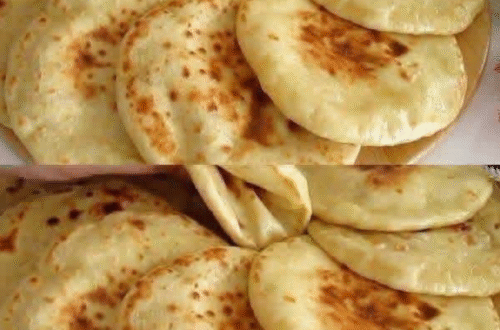
• Toasted pita or crusty bread
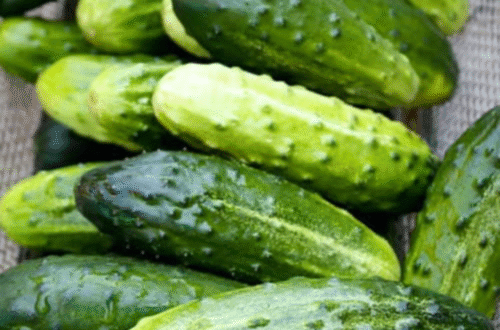
• Cherry tomatoes or cucumber ribbons
INSTRUCTIONS — WITH DEEP DETAIL, TECHNIQUE & TEXTURE
1. Prepare the Halloumi: The Ritual of Drying
Remove the halloumi from its brine and place it on a clean kitchen towel or several sheets of paper towel. Pat gently until the surface feels matte rather than glossy.
This matters more than you think:
• A dry surface = a deeper golden crust.
• Too much moisture = sputtering oil and pale, uneven searing.
Slice the halloumi into ½-inch slabs—thick enough to remain tender inside but thin enough for a crisp exterior.
You should hear a slight squeak against the knife; that is halloumi’s signature texture, its quiet promise of what’s to come.
2. Heat the Fat: Creating the Sizzle Stage
Place a heavy skillet (cast-iron is ideal) over medium to medium-high heat. Add your olive oil or butter.
Here’s what you want:
• The oil shimmering like heat haze on a road,
or
• The butter melting into a fragrant foam, releasing the warm smell of pasture.
The pan must be hot enough that the halloumi sings the moment it touches the surface.
This is not a low-and-slow cheese.
Halloumi likes confidence.
3. Sear the Halloumi: The Transformation
Lay each piece into the skillet, one by one, letting them land gently but decisively. Do not crowd them—each slice needs its own breath of heat to brown beautifully.
For the next 2–3 minutes, do nothing.
Resist moving them.
Resist checking.
Let the maillard reaction work.
You’ll know they’re ready when:
• The bottom edges shift from white to honey-gold.
• A faint caramel scent rises.
• They release from the skillet with almost no effort.
Flip each slice carefully with a thin spatula. The second side will brown more quickly—about 1–2 minutes.
You want a deep golden brown on both sides, sometimes with spots of deeper caramelization where the cheese’s natural sugars meet the heat.
The outside becomes crisp, almost shell-like.
The inside stays warm, pliant, and softly elastic.
4. Add the Herb: Aroma as Finishing Touch
When the cheese is almost done, scatter your herb of choice into the pan.
Each herb tells a different story:
• Thyme brings a woodland fragrance, warm and resinous.
• Oregano offers a rustic Mediterranean edge.
• Mint lifts the richness with cool brightness.
• Dill adds a soft whisper of green elegance.
• Rosemary perfumes the room with pine and tradition.
The herbs will sizzle briefly, releasing their oils into the fat, which then coats the halloumi slices like a final blessing.
5. Serve Immediately: Halloumi Waits for No One
Halloumi is at its most divine the second it leaves the pan.
Place the slices on a warm plate and drizzle with the herbed oil from the skillet.
Enhance the moment with:
• A squeeze of lemon for cut-through brightness
• Cracked black pepper for subtle heat
• Warm honey for a Greek-style sweet-salty contrast
• Chili crisp for a modern fiery twist
• Fresh tomatoes or cucumbers for cooling balance
• Pita wedges or bread to catch every drop of oil
• Olives on the side for a mezze-style spread
Serve with wine, tea, cold beer, or nothing at all—this dish is complete on its own.
EXTRA NOTES & DEEPER WISDOM
Why Halloumi Doesn’t Melt
Halloumi is traditionally made without acid, so its proteins set in a way that allows it to hold shape under high heat.
Instead of melting like mozzarella, it firms, sears, and caramelizes—making it one of the most heat-tolerant cheeses on earth.
What Makes Great Halloumi?
Look for blocks that:
• Are made from sheep’s or goat’s milk (richer flavor)
• Contain minimal additives
• Come packed in brine
• Feel firm and springy when pressed
Cheaper versions made exclusively from cow’s milk are softer and can sometimes ooze instead of crisp.
How to Store & Reheat
• Pan-fried halloumi is best eaten fresh.
• Leftovers can be reheated in a dry skillet for 1 minute per side.
• Never microwave — it becomes rubbery and sad.
SERVING IDEAS: TURN IT INTO A MEAL
Mediterranean Plate
Halloumi + tomatoes + olives + herbs + pita + olive oil drizzle.
Summer Salad
Toss greens with cucumbers, mint, watermelon, and lemon vinaigrette—add the halloumi warm.
Breakfast Upgrade
Serve with eggs, avocado, and toasted sourdough.
Dinner Bowl
Over warm quinoa or bulgur with roasted vegetables and tahini.
Halloumi goes anywhere flavor is welcome.