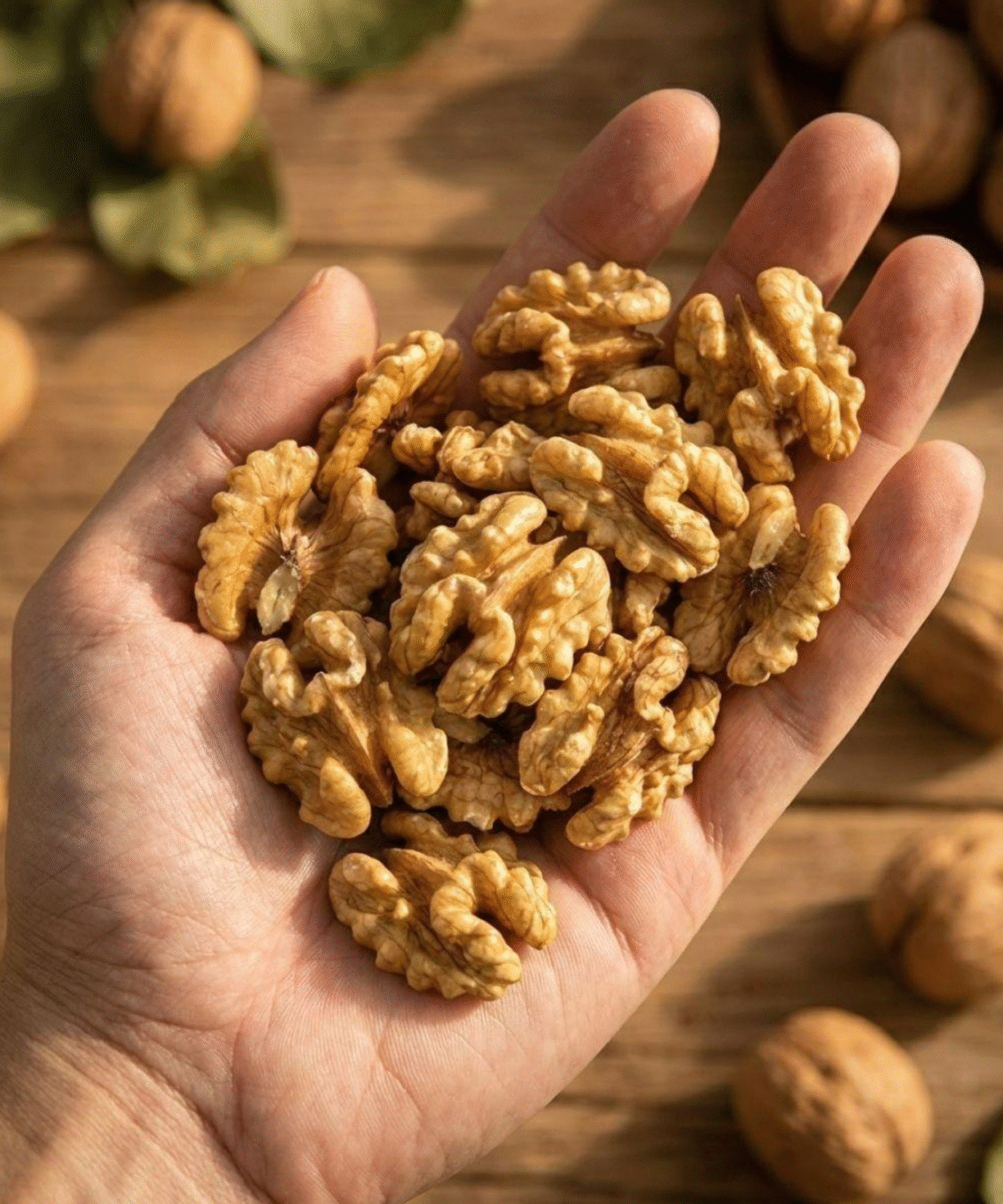
Walnuts—those wrinkly, brain-shaped nuts—aren’t just a crunchy snack or salad topping. They are tiny nutritional powerhouses, packed with essential vitamins, minerals, healthy fats, and antioxidants. Doctors and nutritionists alike have highlighted the amazing health benefits of incorporating walnuts into your daily diet, many of which are supported by rigorous scientific studies.
Eating just a handful of walnuts a day can positively influence your heart, brain, metabolism, digestion, and overall well-being. Let’s dive into 7 powerful reasons why you should make walnuts a daily habit.
1. Promotes Heart Health
Walnuts are rich in polyunsaturated fats, especially omega-3 fatty acids, which are known to support cardiovascular health.
- How it works: Omega-3s reduce inflammation, help lower bad cholesterol (LDL), and improve the elasticity of blood vessels.
- Scientific evidence: Studies show that people who eat walnuts regularly have a lower risk of heart disease and improved cholesterol levels.
- Tip: Eating a small handful (about 1 oz or 28 grams) daily can make a noticeable difference over time.
2. Boosts Brain Function
Their signature brain-like shape isn’t just a coincidence—walnuts are rich in polyphenols, vitamin E, and DHA, nutrients linked to cognitive health.
- Benefits: Improve memory, concentration, and overall brain function.
- Research: Regular walnut consumption is associated with slower age-related cognitive decline and may help support mental sharpness as you age.
- Pro tip: Snack on walnuts with fruits or yogurt for an added antioxidant and protein boost for your brain.
3. Supports Weight Management
Despite being calorie-dense, walnuts can help control appetite and manage weight.
- How it works: The combination of healthy fats, fiber, and protein promotes satiety, keeping you full longer and reducing unhealthy snacking.
- Study evidence: People who incorporate walnuts into their diet often experience reduced hunger and cravings, which can help maintain a healthy weight without drastic calorie restriction.
- Tip: Limit to a small handful per day, as calories can add up quickly.
4. Reduces Inflammation
Chronic inflammation is linked to many health problems, including heart disease, diabetes, and arthritis. Walnuts contain polyphenols and omega-3 fatty acids, which have natural anti-inflammatory effects.
- How it works: These compounds help neutralize free radicals in the body and reduce inflammatory markers.
- Research: Daily walnut consumption has been shown to lower levels of C-reactive protein (CRP), an indicator of inflammation.
- Tip: Pair walnuts with other anti-inflammatory foods like berries, leafy greens, and olive oil for a synergistic effect.
5. Supports Gut Health
Your digestive system thrives on fiber-rich foods, and walnuts provide both soluble and insoluble fiber.
- How it works: Fiber promotes healthy digestion, regular bowel movements, and beneficial gut bacteria.
- Scientific insight: Studies suggest that walnuts may increase the diversity of gut microbiota, which is linked to better immunity and metabolic health.
- Tip: Sprinkle chopped walnuts on oatmeal, yogurt, or salads for an easy gut-friendly boost.
6. Helps Regulate Blood Sugar
Walnuts can play a role in blood sugar management, making them especially beneficial for those at risk of type 2 diabetes.
- How it works: Healthy fats and fiber slow down the absorption of sugar, preventing sharp spikes in blood glucose.
- Evidence: Research has found that eating walnuts improves insulin sensitivity and reduces post-meal blood sugar spikes.
- Tip: Combine walnuts with complex carbs like whole grains to further stabilize blood sugar levels.
7. Supports Bone and Joint Health
Walnuts are a good source of magnesium, phosphorus, and manganese, minerals essential for bone strength and joint support.
- How it works: Magnesium is critical for calcium absorption, phosphorus helps maintain bone structure, and manganese supports connective tissue health.
- Additional benefit: The anti-inflammatory properties of walnuts may also reduce joint pain and stiffness, particularly in individuals with arthritis.
- Tip: Pair walnuts with leafy greens or dairy for maximum bone-supporting benefits.
How to Incorporate Walnuts into Your Daily Diet
- Snack smart: A small handful (1 oz / 28 g) as a mid-morning or afternoon snack.
- Breakfast boost: Add chopped walnuts to oatmeal, cereal, yogurt, or smoothie bowls.
- Salads and meals: Sprinkle on green salads, roasted vegetables, or grain bowls.
- Baking: Add to muffins, breads, or energy bars for crunch and nutrition.
- Nut butter: Walnut butter can be spread on toast, added to oatmeal, or used in sauces.
Tip: Store walnuts in a sealed container in the fridge to prevent them from going rancid, as they are high in healthy fats.
Precautions
- Calorie-dense: Walnuts are high in calories, so moderation is key. A small handful daily is sufficient.
- Allergies: Avoid if you have a tree nut allergy.
- Digestive sensitivity: Eating too many at once may cause bloating or discomfort; start small if you’re not used to nuts.
Conclusion
Eating walnuts daily isn’t just a trendy health habit—it’s backed by science and long-standing nutrition principles. From heart and brain health to blood sugar regulation, gut support, and bone strength, these small but mighty nuts can make a big impact on your overall wellness.
A handful a day is all it takes to reap the benefits—an easy, natural, and delicious addition to any balanced diet.
Final Thought: Snack on them, sprinkle them, bake with them—but don’t skip walnuts. Your heart, brain, and body will thank you!