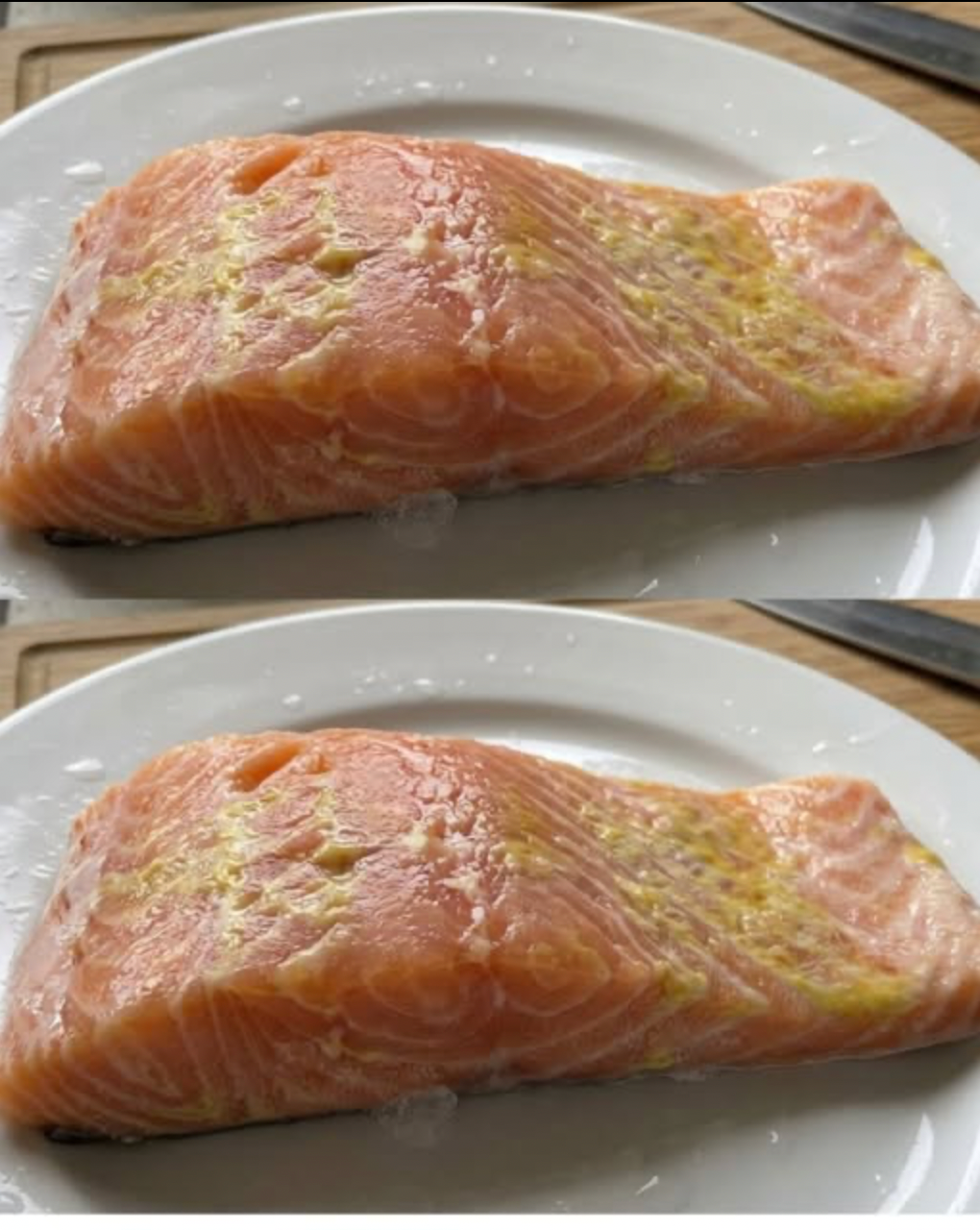
A Detailed, Science-Based Explanation of What It Means (and When to Worry)
You take a piece of salmon out of the freezer, let it thaw, and then notice something unexpected: a yellowish tint on parts of the fish. It might appear as a faint discoloration, patches along the edges, or even a slightly dull yellow film. Naturally, the first reaction is concern.
Is it spoiled? Unsafe? Or just a normal change?
The truth is that yellow discoloration on defrosted salmon can come from several causes—most of them harmless, some worth paying attention to. Understanding what’s happening requires a closer look at the nature of salmon itself, how it is stored, and what freezing and thawing do to its structure.
What Fresh Salmon Should Look Like
Before identifying the issue, it helps to know what normal salmon looks like.
Fresh salmon typically has:
- A vibrant pink to orange color
- A moist but firm texture
- A clean, mild smell (not strong or sour)
Any deviation—such as dullness, dryness, or unusual coloration—can signal changes in quality.
The Most Common Reasons for Yellow Discoloration
1. Oxidation of Fats (The Most Common Cause)
Salmon is naturally rich in healthy fats, especially unsaturated fats. These fats are sensitive to oxygen.
What Happens
During storage—especially freezing and thawing—these fats can:
- React with oxygen
- Break down chemically
- Change color
Result
- Yellow or slightly brownish patches
- Dull appearance instead of bright color
Is It Safe?
In most cases, yes. This type of oxidation:
- Affects flavor and appearance
- Does not automatically mean the fish is unsafe
However, it may taste less fresh.
2. Freezer Burn
Freezer burn is another very common cause of discoloration.
Why It Happens
If salmon is not tightly wrapped or sealed:
- Air reaches the surface
- Moisture evaporates
- The surface dries out
Signs
- Pale, dry, or yellowish spots
- Slightly leathery texture
- Dull or uneven color
Is It Safe?
Yes, freezer-burned salmon is generally safe to eat, but:
- Texture may be unpleasant
- Flavor may be weaker or slightly off
3. Natural Fat Distribution
Not all yellow tones are a problem.
Explanation
Salmon contains varying levels of fat throughout its body. Some areas:
- Have higher fat concentration
- May appear lighter or slightly yellow
Common Locations
- Near the belly
- Along certain muscle lines
Is It Safe?
Completely safe. This is natural and varies between fish.
4. Diet and Type of Salmon
The color of salmon is influenced by what it eats.
Wild vs Farmed Salmon
- Wild salmon eats natural organisms rich in pigments
- Farmed salmon is often fed controlled diets
Effect on Color
Differences in diet can lead to:
- Variations in pink, orange, or yellow tones
- Less vibrant coloration in some cases
Is It Safe?
Yes. This is a natural variation, not spoilage.
5. Improper Storage Before Freezing
If the salmon was not fresh before freezing, changes may appear after thawing.
Possible Issues
- Early stages of spoilage
- Temperature fluctuations
- Delayed freezing
Signs
- Uneven yellowing
- Slight odor
- Soft or mushy texture
Is It Safe?
This depends on additional signs (see spoilage section below).
6. Thawing Process
How you thaw salmon affects its appearance.
Poor Thawing Methods
- Leaving it at room temperature
- Rapid temperature changes
Effects
- Moisture loss
- Texture breakdown
- Slight discoloration
Better Method
- Thaw in the refrigerator slowly
- Keep it sealed to prevent air exposure
When Yellow Salmon Is Still Safe to Eat
You can generally use the salmon if:
- There is no strong or sour smell
- The texture remains firm
- The discoloration is mild and surface-level
- There are no slimy or sticky layers
In these cases, the issue is likely cosmetic or related to storage, not safety.
Warning Signs of Spoiled Salmon
Yellow color alone is not enough to indicate spoilage. However, you should discard the fish if you notice:
- Strong, sour, or ammonia-like smell
- Slimy or sticky surface
- Mushy or overly soft texture
- Gray, green, or heavily dull coloration
- Excessive liquid or unusual residue
These signs indicate bacterial growth or decomposition.
How to Prevent Yellowing in the Future
1. Proper Packaging
- Use airtight containers or vacuum sealing
- Remove as much air as possible
2. Freeze Quickly
- Freeze salmon as soon as possible after purchase
- Avoid leaving it in the fridge for too long before freezing
3. Maintain Stable Temperature
- Keep your freezer at a consistent low temperature
- Avoid repeated thawing and refreezing
4. Use Within Recommended Time
- For best quality, use frozen salmon within a few months
5. Thaw Correctly
- Always thaw in the refrigerator
- Keep it sealed to reduce oxidation
Does Cooking Fix the Issue?
Cooking will:
- Kill harmful bacteria (if present within safe limits)
- Improve texture slightly
However, it will not:
- Restore original color
- Reverse oxidation effects
The flavor may still be slightly affected if the discoloration is due to fat breakdown.