(So They’re Actually Easy to Peel)
Few kitchen tasks seem as simple as boiling eggs—yet few are as frustrating when they go wrong. You crack the shell, hoping for a smooth peel… only to end up tearing chunks of egg white, leaving behind a pitted, uneven surface.
The truth is, perfect hard-boiled eggs are not about luck. They are about understanding a few key principles: temperature, timing, freshness, and technique.
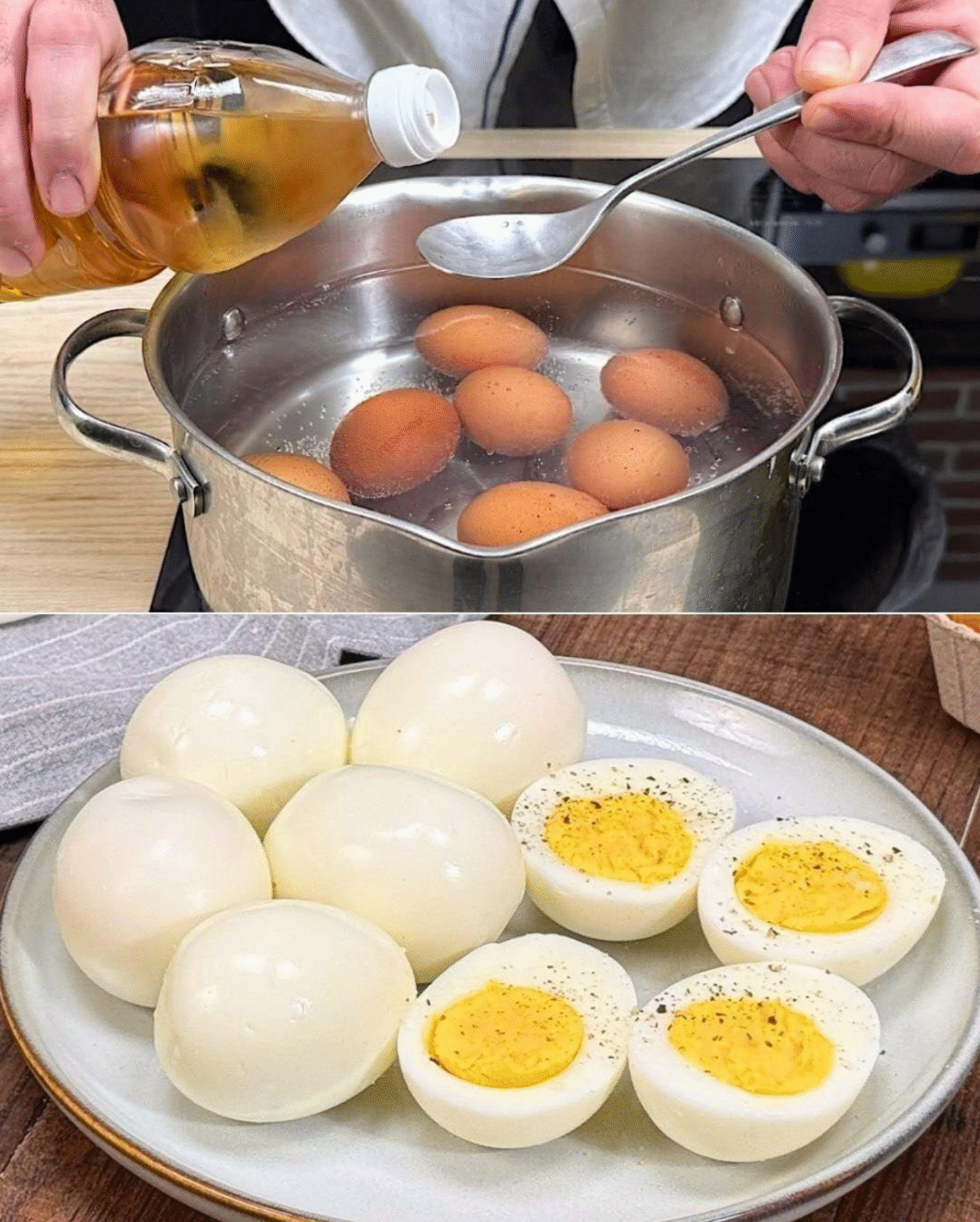
When done right, the shell slips off almost effortlessly, revealing a smooth, firm egg with a tender yolk—no green ring, no rubbery texture, no frustration.
Why Eggs Are Hard to Peel (The Real Reason)
To understand the solution, you first need to understand the problem.
Inside an egg, the white (albumen) sticks more strongly to the shell membrane when:
- The egg is very fresh
- The pH level is lower
- The proteins are tightly bonded
As eggs age slightly, their pH increases, making the egg white less likely to cling to the shell.
Key Insight
- Very fresh eggs = harder to peel
- Slightly older eggs = easier to peel
The 5 Secrets to Perfect, Easy-to-Peel Eggs
1. Start with Slightly Older Eggs
If possible, use eggs that are:
- About 5–10 days old
These peel much more easily than fresh-from-the-farm eggs.
2. Use the Right Cooking Method (Not Just “Boiling”)
Instead of aggressively boiling eggs the entire time, use a controlled method.
The Ideal Technique
- Place eggs in a pot in a single layer
- Cover with cold water (about 2–3 cm above eggs)
- Bring to a gentle boil
- Once boiling, turn off heat and cover
- Let sit for 9–12 minutes
Why This Works
- Prevents overcooking
- Keeps texture tender
- Reduces stress on the egg white
3. Shock in Ice Water Immediately
This step is critical.
After cooking, transfer eggs directly into ice water.
Let them sit for at least 5–10 minutes.
What This Does
- Stops the cooking process instantly
- Causes the egg to contract slightly inside the shell
- Loosens the membrane
This is one of the biggest factors in easy peeling.
4. Crack and Roll Before Peeling
Instead of peeling randomly, use a method.
Technique
- Gently tap the egg on a hard surface
- Roll it lightly to create cracks all over
- Start peeling from the wider end (where the air pocket is)
Why the Wide End?
There is a natural air pocket there, making it easier to get under the membrane.
5. Peel Under Running Water (Optional but Effective)
Running water helps:
- Separate the shell from the egg
- Wash away tiny shell fragments
- Reduce sticking
This is especially helpful for stubborn eggs.
The Perfect Timing Guide
Cooking time determines texture.
For Hard-Boiled Eggs
- 9–10 minutes: Slightly creamy yolk
- 11–12 minutes: Fully firm yolk
Avoid overcooking beyond this range.
How to Avoid the Green Ring Around the Yolk
That gray-green ring is a common issue.
Why It Happens
It forms when:
- Eggs are overcooked
- Sulfur and iron react inside the egg
How to Prevent It
- Don’t overcook
- Use the ice bath immediately
Texture: What You Should Aim For
A perfect hard-boiled egg should have:
White
- Firm but tender
- Not rubbery
Yolk
- Fully set
- Smooth and slightly creamy
- Bright yellow (not greenish)
Alternative Methods (Also Effective)
Steaming Method
Steaming eggs instead of boiling can improve peeling.
How
- Place eggs in a steamer basket
- Steam for 12–14 minutes
- Transfer to ice water
Why It Works
Steam penetrates differently, often making shells easier to remove.
Pressure Cooker Method
Using a pressure cooker creates consistent results.
Basic Method
- Cook for a few minutes under pressure
- Quick release
- Ice bath
This method is known for producing very easy-to-peel eggs.
Common Mistakes to Avoid
1. Using Very Fresh Eggs
They are harder to peel due to tighter protein bonds.
2. Skipping the Ice Bath
This leads to:
- Overcooking
- Sticking shells
3. Overcooking
Results in:
- Dry yolks
- Green ring
- Rubbery whites
4. Peeling Too Soon Without Cooling
Warm eggs are harder to peel cleanly.
5. Cracking Only One Spot
Creates uneven peeling and more tearing.
Storage Tips
In the Shell
- Store in the refrigerator
- Lasts up to 1 week
Peeled Eggs
- Store in a sealed container
- Use within 2–3 days
Best Ways to Use Perfect Hard-Boiled Eggs
Once you master this method, you can use the eggs in many dishes:
- Egg salad
- Sandwiches
- Salads
- Snacks with salt or spices
Their smooth surface also makes them ideal for presentation.
The Science Behind the Simplicity
Perfect hard-boiled eggs are not about complicated techniques—they are about understanding:
- Protein behavior
- Temperature control
- Timing
- Moisture
When these elements align, the result feels effortless.