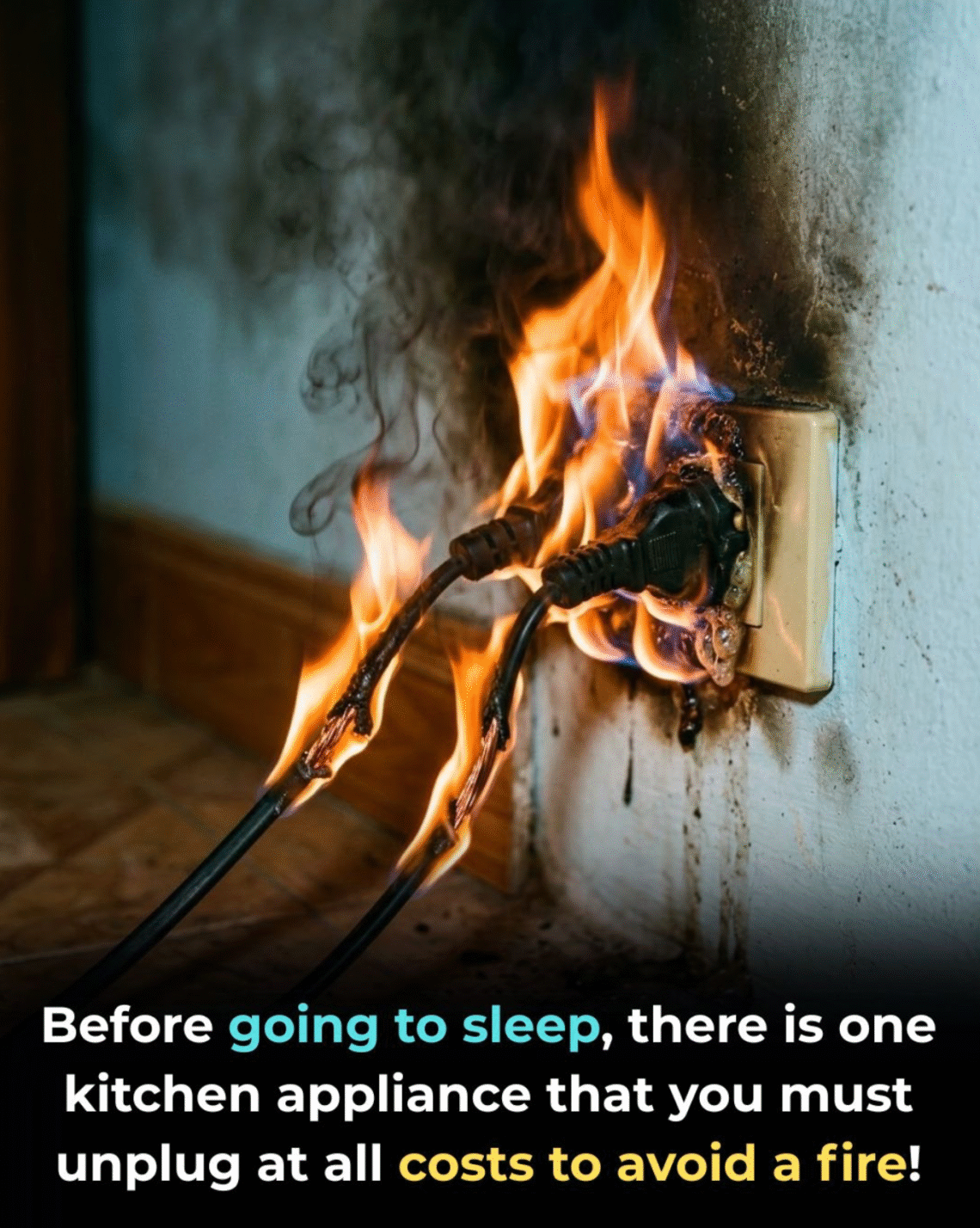
Unplug These 5 Appliances When You’re Done Using Them
You flip the switch. The appliance powers down. You walk away, assuming the job is done.
But in reality, many devices continue drawing small amounts of electricity even when they appear to be “off.” This hidden consumption is known as phantom load or standby power. It may seem insignificant in the moment, but over weeks and months, it quietly adds up.
Energy experts often estimate that standby power can account for 5% to 10% of total household electricity use. That means part of your energy bill may come from devices you’re not even actively using.
Beyond cost, there are also safety considerations. Certain appliances—especially those that generate heat or contain aging components—can pose risks if left plugged in continuously.
Unplugging devices when they are not in use is a simple habit that can:
• Reduce electricity consumption
• Lower utility bills
• Extend appliance lifespan
• Decrease fire risk
• Promote mindful energy use
Below are five common household appliances that are worth unplugging—and a deeper look at why it matters.
1. Toasters and Toaster Ovens
Why They Matter
Toasters and toaster ovens are among the most overlooked appliances when it comes to unplugging.
Even when turned off, these devices remain connected to electricity. Over time, internal components can degrade, especially in older models.
Potential Risks
• Residual heat buildup
• Crumb accumulation inside the unit
• Electrical faults in aging wiring
• Fire risk if debris ignites
Crumbs inside a toaster can act as fuel. If there is an electrical malfunction or sudden power surge, those crumbs can ignite.
Energy Impact
While standby power usage is relatively small, it is unnecessary—especially since these appliances are used briefly and intermittently.
Best Practice
Unplug the toaster after each use, particularly:
• Overnight
• When leaving the house
• If the appliance is older
Regularly clean out crumbs to further reduce risk.
2. Coffee Makers
Why They Matter
Coffee makers are used daily in many homes, and because of that, they often remain plugged in all the time.
Many modern coffee machines include:
• Digital clocks
• Heating plates
• Internal sensors
These features continue to draw power even when the machine is not actively brewing.
Potential Risks
• Heating elements may remain warm longer than expected
• Malfunctions in older units can lead to overheating
• Electrical components may wear out over time
Some coffee makers with warming plates can pose a fire hazard if left on or if the automatic shut-off fails.
Energy Impact
The digital display and internal systems create a continuous, low-level energy draw.
Best Practice
Unplug your coffee maker after use—especially if:
• It does not have an automatic shut-off
• It is several years old
• You will be away from home for extended periods
3. Phone Chargers and Small Power Adapters
Why They Matter
Phone chargers are among the most common sources of phantom energy use.
Even when not connected to a device, a charger plugged into the wall continues to draw a small amount of electricity.
Potential Risks
• Heat buildup in low-quality chargers
• Wear and tear on internal components
• Increased risk with counterfeit or damaged chargers
Cheap or damaged chargers can overheat, especially if left plugged in continuously.
Energy Impact
Individually, the energy usage is small—but multiplied across multiple chargers in a household, it becomes noticeable over time.
Best Practice
Unplug chargers when not in use, particularly:
• Overnight
• When leaving home
• If the charger feels warm to the touch
Using high-quality, certified chargers also reduces safety risks.
4. Space Heaters
Why They Matter
Space heaters are one of the most energy-intensive and potentially hazardous household appliances.
Even when turned off, leaving them plugged in can pose risks due to their high power capacity.
Potential Risks
• Electrical faults in wiring
• Accidental activation
• Proximity to flammable materials
• Overheating in older models
Space heaters are a leading cause of household fires when used improperly.
Energy Impact
While they do not draw much power when off, their potential risk far outweighs the convenience of leaving them plugged in.
Best Practice
Always unplug space heaters when not in use.
Additionally:
• Keep them away from curtains, bedding, and furniture
• Avoid using extension cords
• Inspect cords regularly for damage
5. Entertainment Systems (TVs, Consoles, and Set-Top Boxes)
Why They Matter
Modern entertainment systems are major contributors to standby power usage.
Devices such as:
• Televisions
• Gaming consoles
• Streaming devices
• Cable boxes
often remain in a “standby mode” rather than fully turning off.
Potential Risks
• Continuous energy consumption
• Heat buildup in enclosed spaces
• Electrical wear over time
While these devices are generally safe, keeping them powered constantly increases long-term energy use and component strain.
Energy Impact
This category is one of the largest contributors to phantom load in most homes.
Some devices stay partially active to:
• Receive updates
• Maintain network connections
• Enable instant startup
Best Practice
Use a power strip to manage multiple devices at once.
Turning off the power strip:
• Cuts electricity to all connected devices
• Eliminates standby power
• Simplifies energy management
Understanding Phantom Load in Everyday Life
Phantom load may seem minor, but it accumulates quietly.
Examples of devices that often draw standby power include:
• Microwaves with digital clocks
• Washing machines with electronic panels
• Smart home devices
• Printers and routers
Individually, each device may use only a few watts. Together, they can significantly impact monthly energy bills.
Financial Impact Over Time
While unplugging a single device may save only a small amount, the cumulative effect across an entire household can be meaningful.
Over a year, reducing standby power can:
• Lower electricity bills
• Reduce unnecessary energy waste
• Improve overall efficiency
In regions with high electricity costs, these savings become even more noticeable.
Safety Benefits of Unplugging
Beyond energy savings, unplugging appliances provides an additional layer of safety.
Electrical risks can arise from:
• Power surges
• Faulty wiring
• Aging components
• Overheating
Unplugging removes the connection entirely, reducing the likelihood of electrical issues.
This is especially important for:
• Older appliances
• Devices left unattended
• Equipment near flammable materials
Extending Appliance Lifespan
Constant electrical flow—even at low levels—can contribute to wear on internal components.
Unplugging devices when not in use can:
• Reduce long-term wear
• Protect against voltage fluctuations
• Extend the life of electronics
This helps delay the need for replacements and reduces electronic waste.
Practical Tips for Building the Habit
Creating the habit of unplugging devices does not require major lifestyle changes.
Simple steps include:
Use Power Strips
Group devices together so they can be turned off with one switch.
Create Daily Routines
Unplug certain appliances at consistent times, such as:
• Before bedtime
• Before leaving home
Prioritize High-Risk Devices
Focus on appliances that generate heat or use more power.
Check Before Traveling
Before leaving home for extended periods, unplug non-essential devices.